



Why Shelf Life Matters
The journey of a food gift from your kitchen to a friend's table can be a race against time. Perishable items, if not handled correctly, can enter the 'temperature danger zone'—between 40°F (4°C) and 140°F (60°C)—where bacteria can multiply rapidly. This
not only affects the taste and texture of your creation but can also pose a genuine health risk, potentially leading to foodborne illness. Understanding the shelf life of your gift ensures it remains a treat, not a threat. A gift that looks and tastes fresh reflects the care you've put into it from start to finish.
Choose Your Recipes Wisely
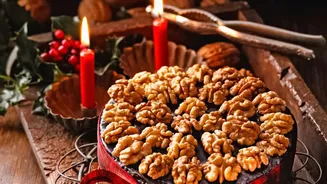
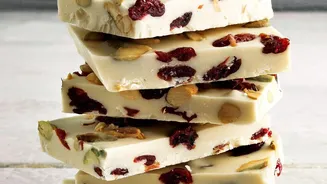
The secret to a long-lasting food gift begins with the recipe. Foods that are low in moisture and high in sugar, salt, or fat tend to have a longer shelf life. Dense and dry baked goods like biscotti, shortbread, and fruitcakes are excellent choices because they are less prone to spoilage. Similarly, hard candies, toffees, granola, and spice rubs are sturdy options that travel well. Conversely, you should be cautious with gifts that require refrigeration, such as cheesecakes, cream-filled pastries, or fresh dairy products. While they can be gifted, they need special handling and prompt delivery to remain safe.
Understanding Risky Ingredients
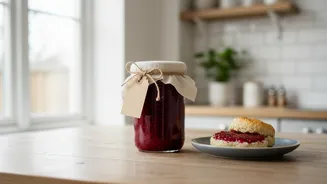
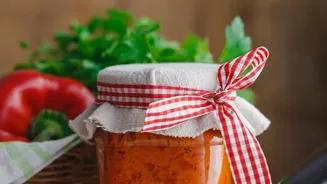
Not all ingredients are created equal when it comes to shelf stability. Home-canned goods like jams and jellies are generally low-risk due to their high sugar and acid content. However, home-canned vegetables, meats, or mixtures like salsas carry a higher risk if not processed correctly using tested recipes and pressure canners, as they can support the growth of botulism-causing bacteria. Items like homemade pesto, cream soups, or herbs in oil are not considered safe for home canning and should be avoided as gifts unless they can be kept refrigerated and consumed quickly.
Packaging for Preservation and Presentation
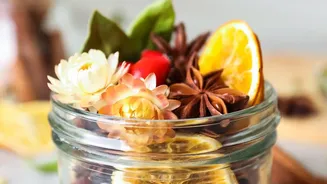
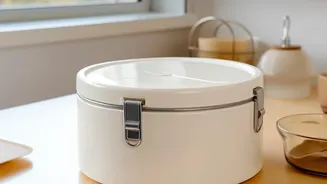
How you package your gift is just as important as how you make it. The primary goal is to protect the food from air and moisture. Airtight containers like decorative tins, glass mason jars, or hermetically sealed bottles are ideal. For baked goods, always allow them to cool completely before packing to prevent condensation from forming, which leads to sogginess and mould. You can also wrap individual items like cookies or brownies in parchment paper before placing them in a larger container. For an extra touch, consider using reusable packaging like fabric wraps or beautiful tea towels, which serve as part of the gift itself.
The Importance of a Thoughtful Label
A label is a small detail that makes a big difference. It should include the name of the treat, the date it was made, and a list of major ingredients, especially common allergens like nuts or dairy. This is a crucial step for the safety and consideration of your recipient. It's also helpful to add storage instructions, such as “Keep refrigerated” or “Best enjoyed within three days.” This ensures your recipient knows how to care for their gift to maintain its quality and safety. A clear label transforms your homemade goodie from a mystery item into a well-presented, trustworthy gift.
Tips for Mailing Your Festive Treats
If your gift needs to travel, extra care is required. Choose sturdy treats that won't crumble easily, like bar cookies or brittle. Pack them snugly in a tin or sturdy box, using crumpled wax paper or air-popped popcorn to fill any empty spaces and prevent jostling. If you must ship perishable items, they need to be kept below 40°F (4°C) using a cold source like dry ice or frozen gel packs within an insulated container. Always opt for expedited shipping and let the recipient know a perishable package is on its way so they can retrieve and refrigerate it promptly.