




Meet the New Breed of Barista
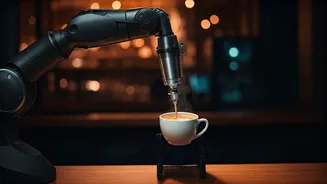
Forget clunky vending machines. Today's AI baristas are sophisticated robotic arms, often housed in sleek, glass-enclosed kiosks. Companies like Artly and Cafe X are deploying these systems in high-traffic areas like malls and airports. Customers typically
place their order via a touchscreen or mobile app, then watch as the robotic arm grinds beans, tamps espresso, steams milk, and pours the final drink, sometimes even adding a bit of latte art. The process is designed to be a piece of theatre, turning a routine purchase into a futuristic experience that people stop to watch and record.
The Quest for the Perfect Cup
The core promise of a robotic barista is consistency. While your favorite human barista might have good days and bad days, a robot executes the same prize-winning recipe with mathematical precision every single time. AI-powered software controls dozens of variables, from the exact temperature of the water to the pressure of the espresso shot and the precise ratio of milk to coffee. This level of control aims to eliminate human error, ensuring that the latte you buy on a Tuesday morning tastes identical to the one you get on a Friday evening. For coffee shop owners, this translates to predictable quality and a reliable product.
The Business of Bots
The appeal for businesses goes far beyond just a novelty attraction. Robotic coffee makers can operate 24/7 without breaks, sick days, or holidays, making them ideal for locations with round-the-clock foot traffic. Automation addresses persistent challenges in the food service industry, including labor shortages and high staff turnover. While the initial investment in a robotic system is significant, proponents argue the long-term savings on labor costs can lead to a strong return on investment. Furthermore, these systems gather valuable data on customer preferences and peak hours, allowing operators to optimize inventory and service without needing full-time on-site staff.
Is Something Lost in the Process?
For every advantage in efficiency, a question arises about the human element. A trip to a coffee shop is often about more than just the caffeine; it’s about the brief social interaction, the friendly chat with the barista, and the unique atmosphere of the cafe. Critics worry that automation strips away this vital personal touch. While some systems have robots that can speak or make dancing gestures, it's not the same as a genuine human connection. The rise of AI also sparks concern about jobs. However, many in the industry believe automation won't entirely replace human baristas but will instead change their roles. By letting robots handle repetitive, high-volume orders, human staff can be freed up to focus on more complex craft drinks, customer engagement, and creating a welcoming environment.