







Your Body's Internal Clock
Inside every one of us is a master clock, known as the circadian rhythm. This 24-hour cycle tells your body when to be alert and when to feel sleepy, influencing everything from hormone levels to body temperature. For most of human history, this clock was
set by a simple, powerful cue: sunlight. Bright, blue-toned light in the morning signals 'wake up', while the warm, dim light of sunset signals 'wind down'. Melatonin, the hormone that makes you feel sleepy, naturally rises as darkness falls. The challenge for shift workers is that their schedules are completely out of sync with this natural light-dark cycle. When you have to sleep during the day and be alert at night, your internal clock gets confused, leading to poor sleep and fatigue.
The Problem with Modern Lighting
After the sun goes down, we flip on the lights. The problem is that most modern indoor lighting, especially from energy-efficient LEDs and fluorescent bulbs, is rich in blue light. This is the same type of light that comes from the sun and is found in our phone, tablet, and TV screens. When your eyes are exposed to this bright, cool-toned light in the hours before you intend to sleep, your brain gets a mixed message. It thinks it's still daytime. This exposure suppresses the production of melatonin, making it harder to fall asleep and reducing the quality of the sleep you do get. Studies have shown that evening exposure to blue light can delay the onset of sleep and disrupt your circadian rhythm, leaving you feeling wired when you should be resting.
Simulating Sunset for Better Sleep
The key strategy is to manage your light environment to send the right signals to your brain. This means creating an artificial sunset in your home in the one to two hours before you plan to go to bed, even if it's 8 AM after a long night shift. Transitioning from bright, cool lights to dimmer, warmer-toned lights tells your body that the 'day' is ending and it's time to prepare for sleep. Research from Harvard has shown that exposure to warm light in the evening can help people fall asleep faster than those exposed to cool light. The goal is to reduce your exposure to sleep-disrupting blue light and encourage your body’s natural release of melatonin.
Practical Ways to Change Your Light
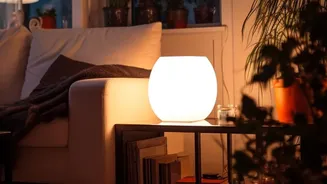
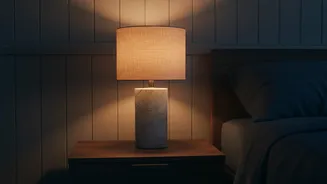
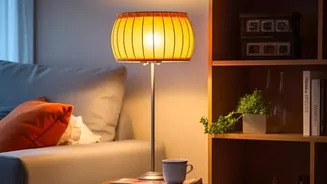
Making this change is easier than you might think. Start by swapping out the bulbs in your bedroom and main living areas. Look for bulbs with a low colour temperature, ideally under 3000K, often labelled as 'warm white', 'soft white', or amber. Red-toned light is even better, as it has the least effect on melatonin. Dimmers are also a great tool, allowing you to lower the overall brightness as you get closer to bedtime. Smart bulbs are an excellent investment, as you can program them to automatically shift from cool to warm tones and dim down on a schedule. Many smartphones and computers now have a 'night mode' that warms up the screen colour; make sure it's enabled.
Beyond the Bulb: A Holistic Approach
While changing your lighting is powerful, it works best as part of a broader sleep hygiene strategy. When you finish your night shift and head home in the morning, wear blue-light-blocking glasses. These orange-tinted glasses can prevent morning sunlight from confusing your body clock. Make your bedroom as dark as possible for daytime sleep using blackout curtains. Avoid caffeine and heavy meals before bed, and try to stick to a consistent sleep schedule, even on your days off. By combining a smart lighting strategy with these other habits, you give your body the clear, consistent cues it needs to achieve deep, restorative sleep, no matter what hours you work.