



What Exactly Is Sourdough Discard?
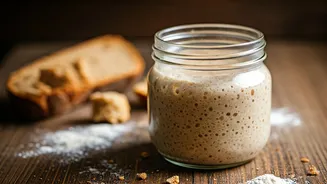
Anyone who maintains a sourdough starter—that bubbling, living culture of flour, water, and wild yeasts—knows the routine. To keep the starter healthy and active, you must periodically 'feed' it with fresh flour and water. But before you feed it, you need
to remove a portion of the existing starter to keep the volume manageable and the culture vibrant. If you didn't, you’d quickly have a bathtub full of starter. That portion you remove is called the discard. Traditionally, as the name suggests, it was simply tossed out. It's considered 'unfed' or 'inactive' because it’s not at its peak power for leavening bread, but it is far from useless.
A Shift From Waste to Wonder
The movement to salvage sourdough discard stems from a growing awareness around food waste. For many modern home bakers, throwing away a perfectly edible, flavorful mixture of fermented flour and water feels wrong. This shift in mindset has reframed discard not as a problem to be disposed of, but as an opportunity for creativity. Instead of going into the compost bin, this 'surplus' starter is being collected in jars in the fridge, ready to be deployed in a host of new recipes. This zero-waste approach is both economical and sustainable, allowing bakers to get the absolute most out of their ingredients.
The Secret Weapon for Flavour and Texture
The true magic of sourdough discard lies in the incredible flavour and texture it imparts. Because it is fully fermented, discard has a more pronounced, tangy flavour than an active starter. This complexity can elevate a simple recipe from good to great. When added to sweet bakes like cookies or cakes, it balances the sugar with a subtle, sophisticated tang, much like buttermilk or crème fraîche. In savoury dishes, it adds a delicious depth. Furthermore, the acidity in the discard helps to tenderize gluten, resulting in softer, moister baked goods that stay fresh longer. It can make pancakes fluffier, cookies chewier, and pie crusts flakier.
Beyond the Loaf: A World of Possibilities
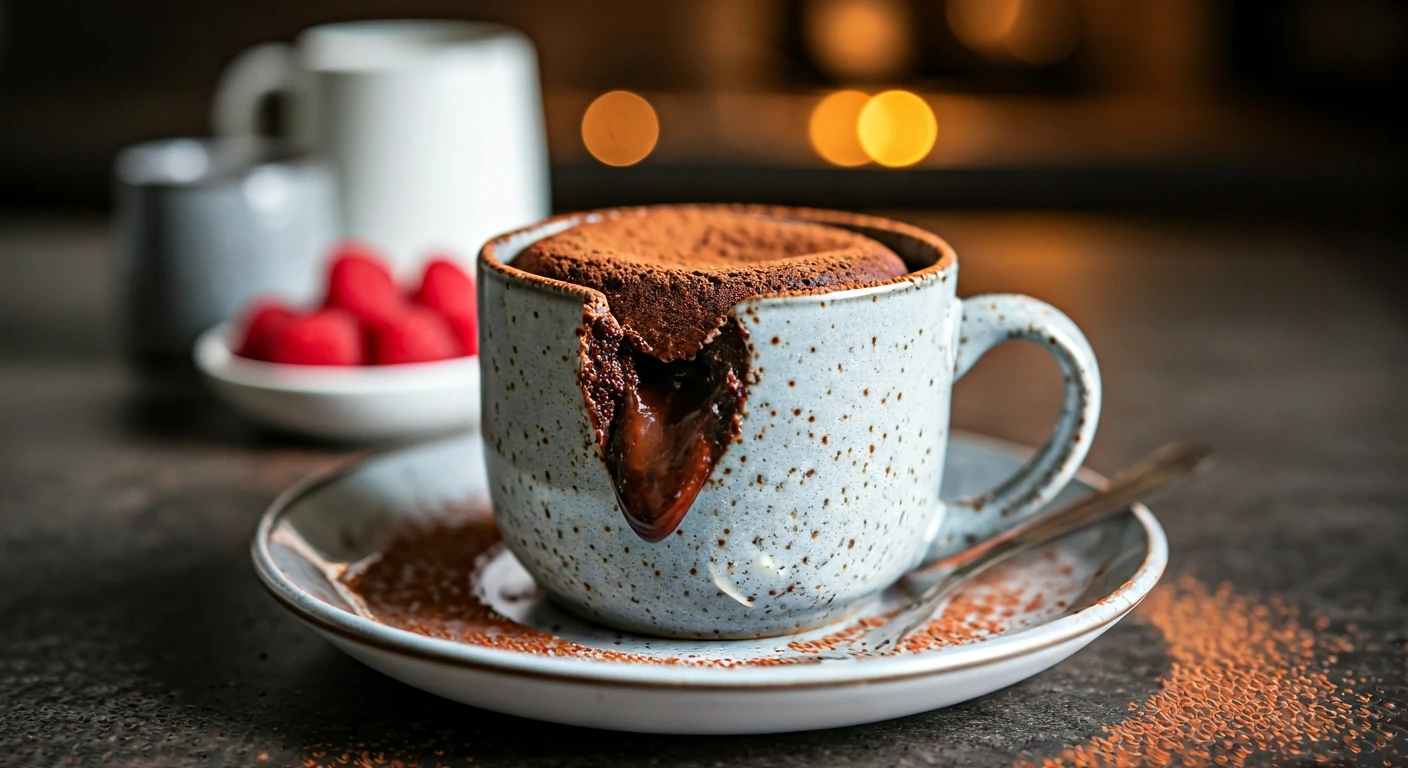
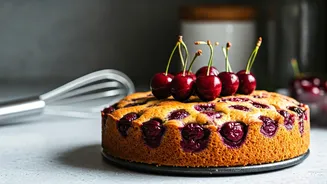
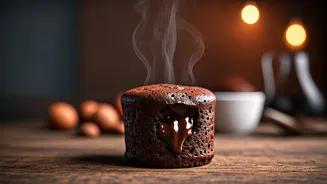
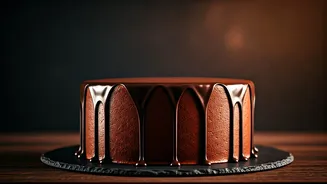
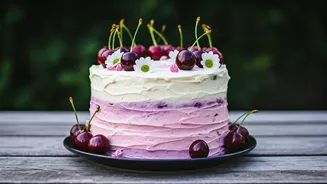
The versatility of sourdough discard is astonishing. It has unlocked a whole new universe of recipes that go far beyond a simple loaf of bread. Home bakers are now using their discard to make everything from crispy, addictive crackers and fluffy pancakes to tender pizza dough and rich chocolate cake. You'll find it in recipes for biscuits, waffles, muffins, and even fresh pasta. Because discard doesn't have strong leavening power on its own, it's often used in recipes that rely on other rising agents like baking soda or powder. This makes it an incredibly flexible ingredient for adding flavour and improving texture in almost any baked good you can imagine.
Potential Health Perks
Beyond flavour and reducing waste, using sourdough discard might also offer some health benefits. Like any fermented food, it contains probiotics and prebiotics which can contribute to a healthy gut microbiome. The fermentation process also begins to break down the gluten and phytic acid in the flour, which may make the resulting foods easier to digest for some people. Some studies suggest that sourdough fermentation can lower the glycemic index of baked goods and increase the bioavailability of certain vitamins and minerals, including iron and zinc. While discard is often added to indulgent treats, incorporating it into your baking is a simple way to introduce the benefits of fermented foods into your diet.