




Why Good Drainage is Non-Negotiable
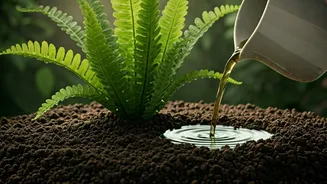
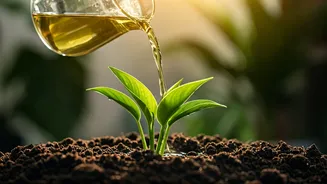
Before diving into the hack, it's vital to understand why drainage matters. When soil holds too much water, it becomes compacted and suffocates plant roots by cutting off oxygen. This leads to root rot, a fungal disease that can quickly kill a plant.
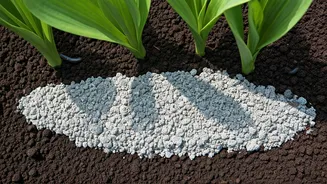
This is especially true for potted plants, whether on a balcony, terrace, or indoors. Heavy clay soils can also benefit from improved structure. Good drainage ensures that while soil retains enough moisture for the plant, any excess water flows away freely, keeping roots healthy and aerated. The goal is soil that is moist, not soggy.
The Peanut Shell Theory: A Genius Solution?
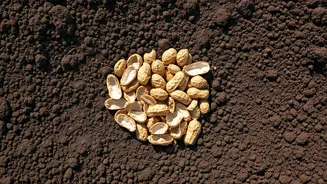
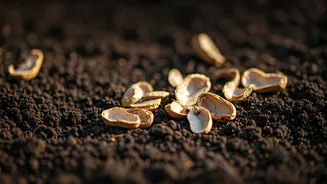
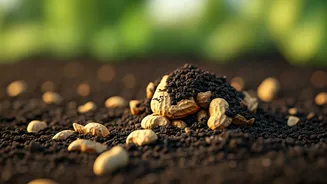
The idea behind using peanut shells is simple and appealing. The coarse, irregularly shaped shells, when mixed into soil, are thought to create air pockets. [9] This improves aeration and allows water to pass through more easily, preventing waterlogging. [3, 10] As a lightweight material, they can also reduce the overall weight of large pots, making them easier to move. [3, 7] Furthermore, since peanut shells are organic, they will slowly break down over time, adding carbon-rich material to the soil, which is beneficial for its structure. [1, 4] It’s an attractive proposition for any gardener looking for sustainable, low-cost ways to enhance their soil.
How to Prepare Peanut Shells for Your Garden
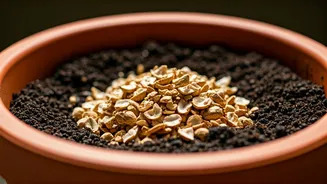
You can’t just toss leftover shells from a packet of masala peanuts into your pots. Proper preparation is key to success. First and most importantly, use only unsalted peanut shells. Salt is harmful to most plants and can build up in the soil. [7, 9] If you only have salted shells, you must wash them thoroughly. Soaking them in water for 12-24 hours, changing the water a few times, will help remove the excess salt. [5, 9] After washing, let the shells dry completely. Then, crush them into smaller pieces. Whole shells take a very long time to decompose and won't mix well. [8] You can do this by placing them in a bag and crushing them by hand or with a rolling pin. The smaller the pieces, the faster they will integrate into the soil. [8]
Mixing Shells Into Your Soil
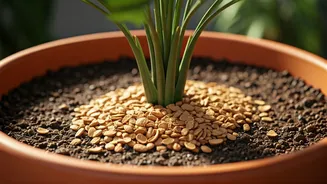
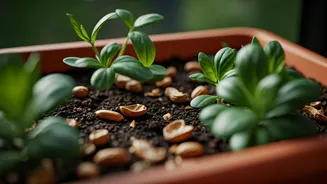
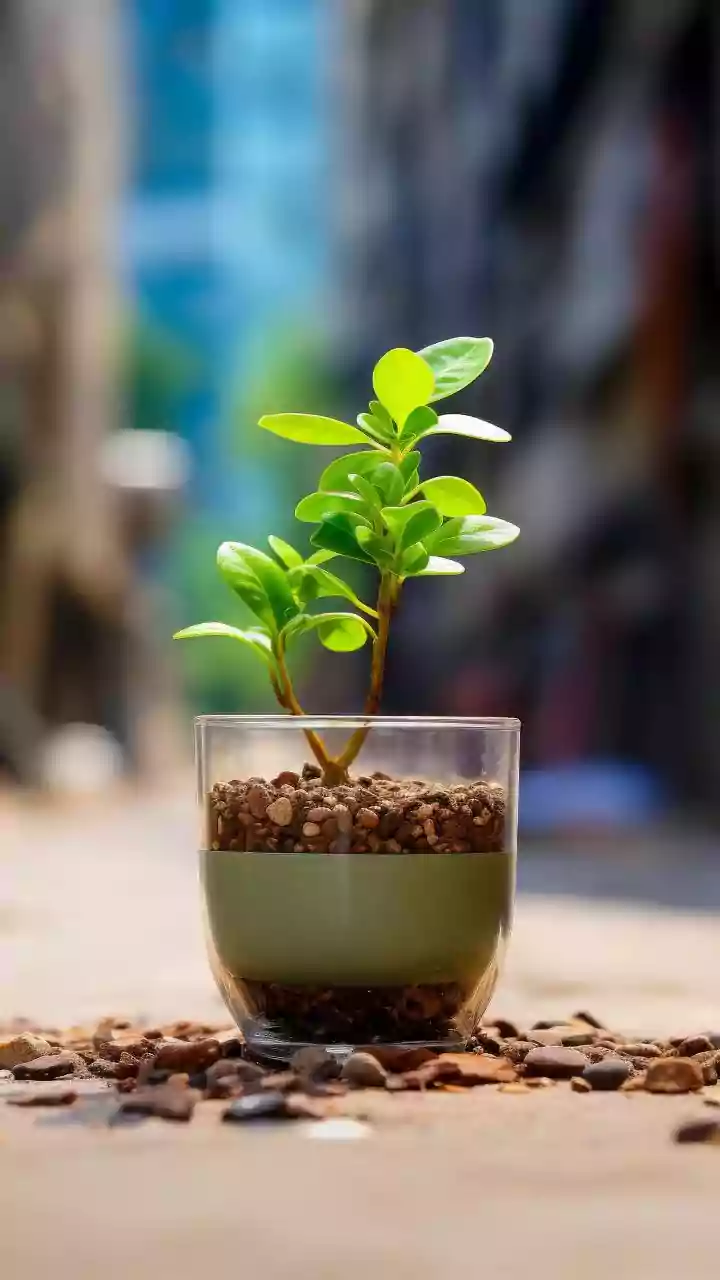
There are a couple of ways to use the prepared shells. The most effective method is to incorporate them directly into your potting mix. A good ratio to start with is about 10-20% crushed shells to 80-90% soil or potting mix. This is similar to how you would use other amendments like perlite or coco coir (nariyal coir). Some gardeners also use a layer of shells at the bottom of a pot to improve drainage, but this can sometimes create a perched water table where water collects just above the shell layer, potentially waterlogging the roots. [9] For this reason, mixing the shells throughout the soil is generally the better approach. [9] They can also be used as a top layer of mulch to help retain moisture and suppress weeds. [1, 2]
The Potential Risks and Downsides
While promising, this hack isn't without its risks. As mentioned, salt from processed peanuts is a major concern and must be dealt with. [7] There is also a small risk that the shells could harbour plant diseases or pests. In some regions, peanut shells have been linked to the spread of fungal diseases like Southern Blight, or they could carry nematodes. [5, 6] While not a major issue for most home gardeners, it's something to be aware of. The shells can also attract pests if any nut residue remains. [1] Finally, and importantly, if you or anyone in your household has a severe peanut allergy, it's best to avoid this hack altogether. [7, 13] The risk of an allergic reaction from handling the soil or shells is a serious consideration. [13]
The Verdict: A Hack Worth Trying?
So, are crushed peanut shells a genius hack? The answer is a qualified yes. They can certainly improve soil aeration and structure, particularly in container gardens, much like other organic materials. [9] They are a fantastic way to recycle kitchen waste into something useful for the garden. However, they are not a magic bullet. They provide very few nutrients to the plants directly and must be prepared correctly to avoid issues with salt or pests. [3] Think of peanut shells as a free, DIY alternative to perlite or vermiculite, rather than a complete soil replacement. For the curious gardener who takes the right precautions, it’s a sustainable experiment that could lead to happier, healthier plants.