





Beyond the Big Four
What exactly is a 'micro-cuisine'? Think of it as the opposite of the pan-Indian menu that tries to be everything to everyone. Instead of just 'South Indian', imagine focusing on the food of the Syrian Christians of Kerala. Instead of generic 'Bengali
food', picture the distinct culinary traditions of the state’s erstwhile landed gentry, or Zamindars. These are cuisines defined not by broad geographic strokes, but by a specific community, a unique historical context, or a tiny sub-region. For years, these intricate food traditions were confined to home kitchens, passed down through generations but rarely seen on a restaurant menu. Now, they are stepping into the spotlight, offering a granular, authentic taste of India's staggering diversity.
The Search for Something Real
So, why now? The shift is driven by a new generation of Indian diners who are more travelled, curious, and connected than ever before. Bored with the homogenised flavours of mainstream restaurants, they are actively seeking out unique and authentic experiences. Social media has played a huge role, with platforms like Instagram turning home cooks into stars and allowing chefs to showcase hyper-local dishes that would never have found a mainstream audience a decade ago. This digital word-of-mouth has created a demand for food that tells a story—a story of a family, a community, or a forgotten past. It's a move away from food as mere fuel and towards food as cultural exploration.
Chefs as Culinary Archaeologists
Leading this charge are a new breed of chefs who see themselves as culinary preservationists and storytellers. They are travelling to remote villages, digging through ancestral recipe books, and collaborating with home cooks to unearth and document disappearing dishes. Chefs like Thomas Zacharias, formerly of The Bombay Canteen, and Prateek Sadhu of Masque have championed regional produce and techniques, paving the way for a deeper appreciation of local foodways. This movement isn't just confined to fine dining. It’s thriving in the world of pop-ups and supper clubs, where passionate home cooks share their heritage—be it the smoked meats of Nagaland, the tangy fish curries of the Pathare Prabhus of Mumbai, or the delicate flavours of Kayastha cuisine from Uttar Pradesh—in intimate, personal settings.
A Taste of India's Diversity
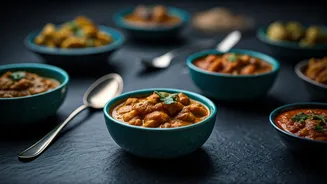
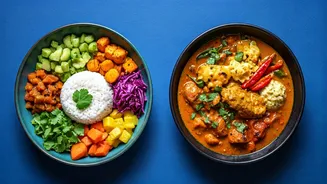
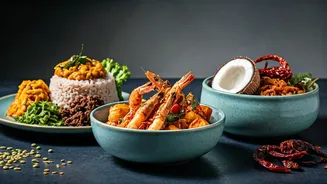
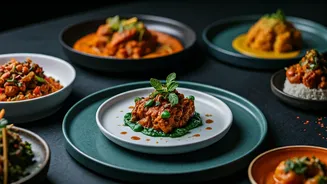
The results are delicious and eye-opening. This trend is introducing diners to a whole new vocabulary of flavours. You might encounter the robust, black-pepper-heavy Pandi Curry from Coorg, a pork dish that is worlds away from a Goan Vindaloo. Or you might try Anglo-Indian cuisine, a comforting, soulful blend of British and Indian flavours that produced dishes like Ball Curry and Railway Mutton Curry. There’s the food of the Rampur court, with its subtle use of sandalwood and vetiver, or the food of the Sheherwali Jains, a strictly vegetarian but incredibly opulent cuisine. Each micro-cuisine is a self-contained universe of taste, shaped by migration, trade, climate, and community.
More Than Just a Meal
Ultimately, this growing obsession with micro-cuisines is about more than just finding a new dish to try. It represents a powerful cultural shift. It’s a reclamation of identity in a globalised world, a way of celebrating the specific over the general. By putting these foods on the menu, chefs and restaurateurs are preserving culinary heritage that might otherwise be lost. They are challenging the monolithic, often North-Indian-dominated idea of what “Indian food” is, and replacing it with a more accurate, complex, and vibrant mosaic. It proves that within one nation, there are countless culinary countries waiting to be discovered, one plate at a time.