



Goodbye, Cheesy Stock Photos
For years, presenters have been trapped in a visual wasteland. The options were limited: spend hours scrolling through stock photo libraries for a semi-relevant, uninspired image, or stick to text-heavy slides that put audiences to sleep. Finding a high-quality,
engaging, and relevant picture that hasn't been used in a thousand other presentations was a challenge. This often led to a visual disconnect, where generic images of smiling business people in boardrooms were used to illustrate complex, specific ideas. The result was often a presentation that felt impersonal and failed to capture the unique essence of the message.
The AI-Powered Creative Assistant
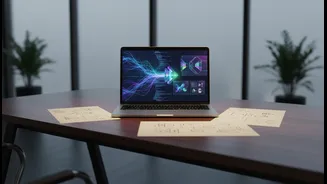
Enter AI image generators. Tools like Midjourney, DALL-E, and Stable Diffusion are text-to-image platforms that create unique visuals based on written descriptions, or 'prompts'. A user can type, “An abstract image representing data connectivity in a watercolour style,” and receive several original visual options in seconds. This technology has moved from a niche experiment to a sophisticated engine capable of producing brand-consistent assets almost instantly. What once required a graphic designer or a hefty stock photo budget is now available to anyone with a keyboard, democratizing high-end design.
Trend 1: Hyper-Personalised and Conceptual Visuals
The most significant shift is the move from literal to conceptual imagery. Instead of searching for a photo of 'collaboration', you can now generate an image that feels like collaboration. AI allows for the creation of hyper-specific and metaphorical visuals that are perfectly tailored to the slide's content. This allows presenters to visualize complex ideas or emotions that stock photography could never capture. For example, a product manager can now create mockups or feature illustrations that bring a vision to life for stakeholders, all without writing a line of code or briefing a design team.
Trend 2: Cohesive Visual Identity on Demand
A common challenge in presentation design is maintaining a consistent look and feel. AI is solving this problem. Advanced features in tools like Midjourney allow users to set a 'style reference'. This means you can create one key image that matches your brand's aesthetic, and then instruct the AI to generate all subsequent images in that same style. This ensures every slide, from the title card to the final data chart, feels like part of a single, professional, and cohesive narrative. This capability dramatically reduces the time it takes to create a polished deck.
Trend 3: Automated Layout and Data Visualisation
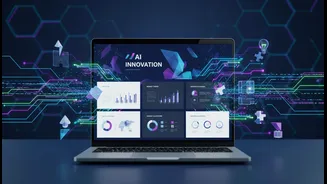
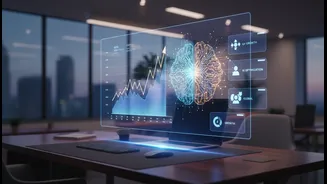
Beyond just creating images, AI is becoming a co-pilot for the entire presentation creation process. Platforms like Canva and Microsoft's Copilot can now analyze your text and automatically suggest layouts, colour schemes, and font choices based on graphic design principles. Furthermore, AI can take raw data and automatically generate clear, engaging charts and graphs, turning dense spreadsheets into compelling visual stories with minimal effort. This frees up the presenter to focus less on tedious formatting and more on the core message and its delivery.
The New Role of the Presenter
While AI is a powerful tool, it's not a replacement for human insight. The best results come from a collaboration between human creativity and machine efficiency. AI can generate a polished first draft, but a human still needs to guide the story, understand the audience's emotional needs, and ensure the message is clear and persuasive. The presenter's role is evolving from a slide-builder to a creative director, using AI to execute a vision rather than getting bogged down in the mechanics of design. The real skill is now in writing effective prompts and curating the AI's output to tell the most powerful story.