


The Ancient Magic of Fermentation
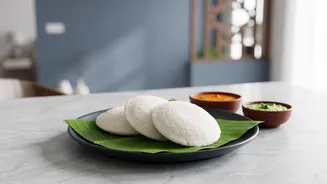
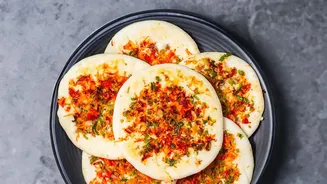
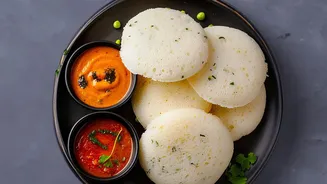
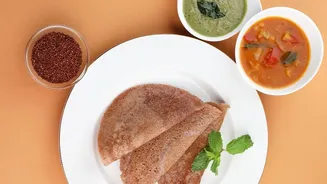
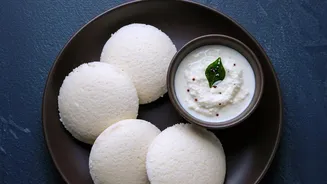
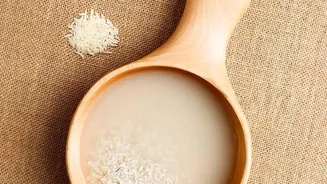
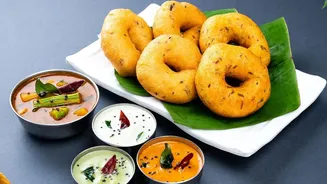
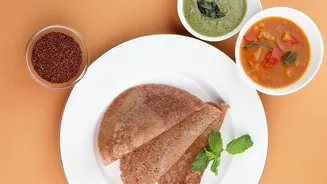
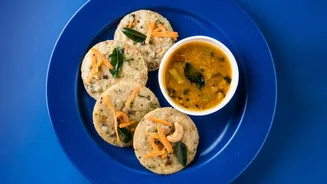
At its heart, fermentation is a natural transformation where microorganisms like bacteria and yeast break down the components in food. In the case of idli and dosa batter, a combination of rice and urad dal (black gram) are soaked, ground, and left to
rest for several hours. During this time, naturally occurring lactic acid bacteria (LAB) get to work. These microbes consume the carbohydrates in the batter, producing lactic acid and carbon dioxide. The gas causes the batter to rise, creating the light, airy texture of idlis and the crispiness of dosas, while the acid provides the characteristic tangy flavour and acts as a natural preservative.
Unlocking Nutrients by Tackling 'Anti-Nutrients'
Grains and legumes, including rice and dal, contain compounds known as 'anti-nutrients'. One of the most significant is phytic acid. This compound acts like a tiny lock, binding to essential minerals such as iron, zinc, and calcium within the grains. Because humans lack the necessary enzyme (phytase) to break this bond, these minerals can pass through our digestive system without being absorbed. This is where fermentation works its magic. The beneficial microbes that multiply in the batter produce their own phytase enzymes. These enzymes systematically break down the phytic acid, effectively unlocking the minerals and making them bioavailable, or ready for your body to absorb.
A Natural Boost in Essential B Vitamins
The fermentation process doesn't just unlock existing nutrients; it also creates new ones. The microbial activity synthesizes several B vitamins that are crucial for energy metabolism and overall health. Studies have shown that fermenting idli batter can significantly increase the levels of B vitamins like thiamine (B1), riboflavin (B2), and folic acid. Some research also indicates the production of vitamin B12 during fermentation, a nutrient that is especially important in vegetarian and plant-based diets. The exact amount can vary based on the specific microbes present, but the process provides a definite nutritional upgrade compared to unfermented batter.
Making Breakfast Easier to Digest
If you've ever felt heavy or bloated after a meal, it's often because your digestive system is working hard to break down complex carbohydrates and proteins. Fermentation essentially does some of that work for you. The microorganisms pre-digest the starches and proteins in the rice and lentils, breaking them down into simpler, smaller molecules. This pre-digestion means the food is gentler on your stomach, leading to less bloating and discomfort. This process also contributes to a healthier gut environment, supporting the beneficial bacteria that already live in your digestive system.
More Than Just Nutrients: A Probiotic Boost
The live lactic acid bacteria, such as Lactobacillus and Leuconostoc strains, that drive the fermentation are themselves beneficial. Consuming these microbes can help balance the community of bacteria in your gut, known as the gut microbiome. While the high heat of steaming idlis or cooking dosas will neutralize many of these live bacteria, the compounds they create during fermentation remain. Furthermore, the batter itself acts as a source of prebiotics—fibers and compounds that feed the good bacteria already residing in your gut, promoting a healthy digestive system from the inside out. A balanced gut is linked not only to better digestion but also to a stronger immune system and even improved mood.