



Understanding Karats: The Gold Purity Scale
Before diving into the comparison, it’s essential to understand what 'karat' (K) means. Karat is the unit used to measure the purity of gold, on a scale from 0 to 24. The higher the karat number, the greater the amount of pure gold in the metal. Therefore,
24K gold represents the purest form of gold you can buy. This simple measurement is the foundation for all differences that follow, from durability to price.
Purity: The Fundamental Distinction
The core difference between 22K and 24K gold lies in their composition. 24K gold is 99.9% pure gold, with no other metals mixed in. It's as pure as gold for jewellery and investment gets. On the other hand, 22K gold consists of 22 parts gold and two parts of other metals, making it 91.67% pure gold. The remaining 8.33% is an alloy of metals like silver, copper, or zinc. In India, 22K gold is often referred to as '916 gold' for this reason.
Durability and Strength: Why 22K Is Standard for Jewellery
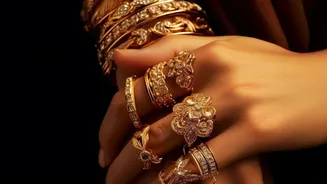
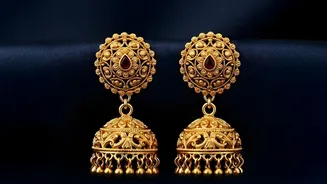
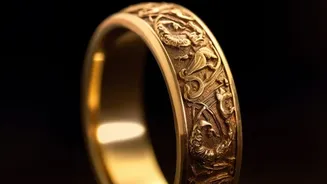
While 24K gold's purity is its greatest strength, it is also its primary weakness for jewellery. Pure gold is incredibly soft and malleable, making it prone to scratching, bending, and deforming with daily wear. This is why you won’t find many intricate, everyday ornaments made from 24K gold. The addition of alloy metals in 22K gold makes it significantly harder and more durable. This strength allows it to hold complex designs and withstand the rigours of daily use, which is precisely why 22K gold is the preferred and more common choice for making jewellery in India and beyond.
Colour, Cost, and Making Charges
There is a slight visual difference between the two. 24K gold has a distinct, bright, rich yellow colour due to its purity. 22K gold still has a beautiful golden hue, but the presence of alloys can give it a slightly less intense tone. In terms of cost, 24K gold is more expensive per gram because it contains more pure gold. However, the final price of a jewellery piece is more complex. Jewellery made from 22K gold involves 'making charges,' which cover the craftsmanship. These charges are not refundable upon resale. So, while the base metal of a 22K piece is cheaper, the overall cost includes labour.
Investment vs. Adornment: Choosing Your Gold
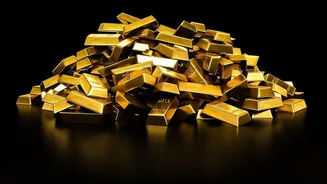
The choice between 22K and 24K gold ultimately depends on your purpose. If your goal is purely investment—to buy gold as a financial asset—then 24K gold in the form of bars or coins is the superior option. Its value is tied directly to its purity and weight. For adornment and creating lasting jewellery pieces that can be worn regularly, 22K gold is the practical and logical choice. It offers the perfect balance of high purity and the necessary durability for craftsmanship.
The Importance of BIS Hallmarking
Regardless of whether you choose 22K or 24K, ensuring authenticity is paramount. In India, the Bureau of Indian Standards (BIS) provides a hallmarking certification that guarantees purity. Since June 2021, hallmarking is mandatory for gold jewellery sold in India. A hallmarked piece will have the BIS logo, the purity grade (e.g., '916' for 22K), and a six-digit alphanumeric Hallmark Unique Identification (HUID) number. Always insist on a hallmarked product to protect your investment and ensure you're getting the purity you paid for.