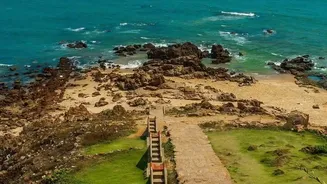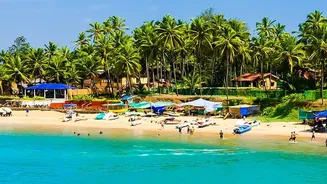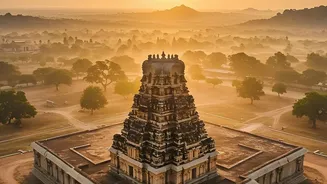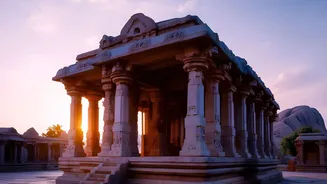




Winter (October to February): The Prime Time
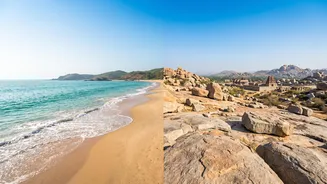
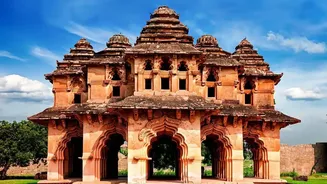
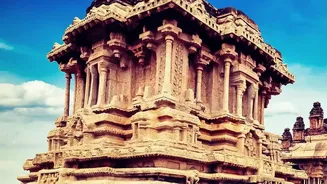
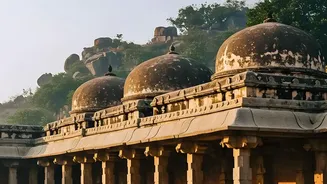
This is widely considered the best season to visit both Hampi and Gokarna. The weather is at its most pleasant, with cooler, dry days and comfortable evenings perfect for exploration. In Hampi, temperatures range from a cool 15°C at night to a pleasant 32°C
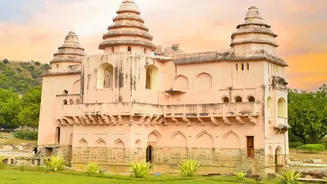
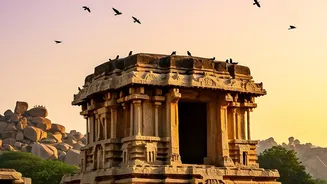
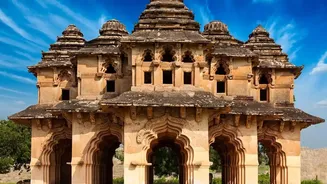
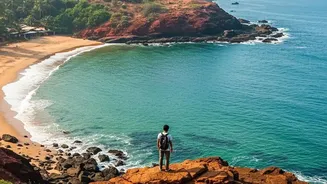
during the day, creating ideal conditions for wandering through the sprawling UNESCO World Heritage site without the oppressive heat. It’s the perfect time for rock climbing, exploring the ruins leisurely, and enjoying festivals like the Hampi Utsav, which is often held in November. Similarly, Gokarna’s beaches, like Om and Kudle, are at their most inviting during these months. The sea is calm, making it suitable for swimming and water sports, and the beach shacks are in full swing, offering delicious seafood and a vibrant atmosphere. This is the peak tourist season for both destinations, which means you can expect larger crowds and higher prices for accommodation and travel. Booking in advance is highly recommended.
Summer (March to May): The Season for Budget Travellers
If you can handle the heat, summer offers a different kind of experience. In Hampi, this season is intense, with temperatures often soaring above 37°C. The granite boulders that define the landscape absorb and radiate heat, making midday exploration extremely challenging. However, the upside is significantly fewer tourists and lower prices for hotels. To make it work, plan your sightseeing for the early mornings and late evenings when it's cooler. Gokarna is also hot and humid during summer, with temperatures reaching up to 40°C. The ocean offers some relief, but many beach shacks may start to close down towards the end of April. This is a great time for budget travellers to enjoy the coastal town's beauty without the winter crowds. You’ll find quieter beaches and more opportunities for peaceful contemplation, as long as you stay hydrated and avoid the peak afternoon sun.
Monsoon (June to September): For Lovers of Greenery and Solitude
The monsoon transforms both landscapes, but the experience is vastly different in each location. Hampi receives low to moderate rainfall, which washes the dust off the ancient ruins and cloaks the entire area in a blanket of lush greenery. This creates a stunning contrast between the vibrant plant life and the old stone structures. While the rain can be a welcome relief from the heat, it can also make some paths slippery and potentially disrupt outdoor plans. Gokarna experiences a much heavier monsoon. The rains turn the coastal hills a brilliant green, and seasonal waterfalls come to life. It's a beautiful, romantic time for those seeking solitude and a peaceful atmosphere. However, the sea becomes rough and unsafe for swimming, and many water sports and boat services are suspended. While you’ll find the best deals on accommodation, be prepared for high humidity and periods of heavy rain that might limit beach activities.
The Verdict: A Choice Based on Your Style
Ultimately, the best season depends on your travel priorities. For History Buffs and Active Explorers: Winter is unbeatable for Hampi. The comfortable weather allows for full days of exploring the vast complex of ruins. Gokarna is also excellent in winter for its active beach scene and water sports. For Budget-Conscious Travellers: Summer is your window. Both destinations are more affordable, but Gokarna might be slightly more bearable due to the sea breeze. Just be prepared for the heat in either place. For Peace-Seekers and Nature Lovers: Monsoon offers a unique charm. Hampi becomes a photographer's dream with its green-and-grey palette. Gokarna becomes a tranquil, romantic retreat, perfect for watching the dramatic monsoon seas from a cosy cafe, though beach activities will be limited.