

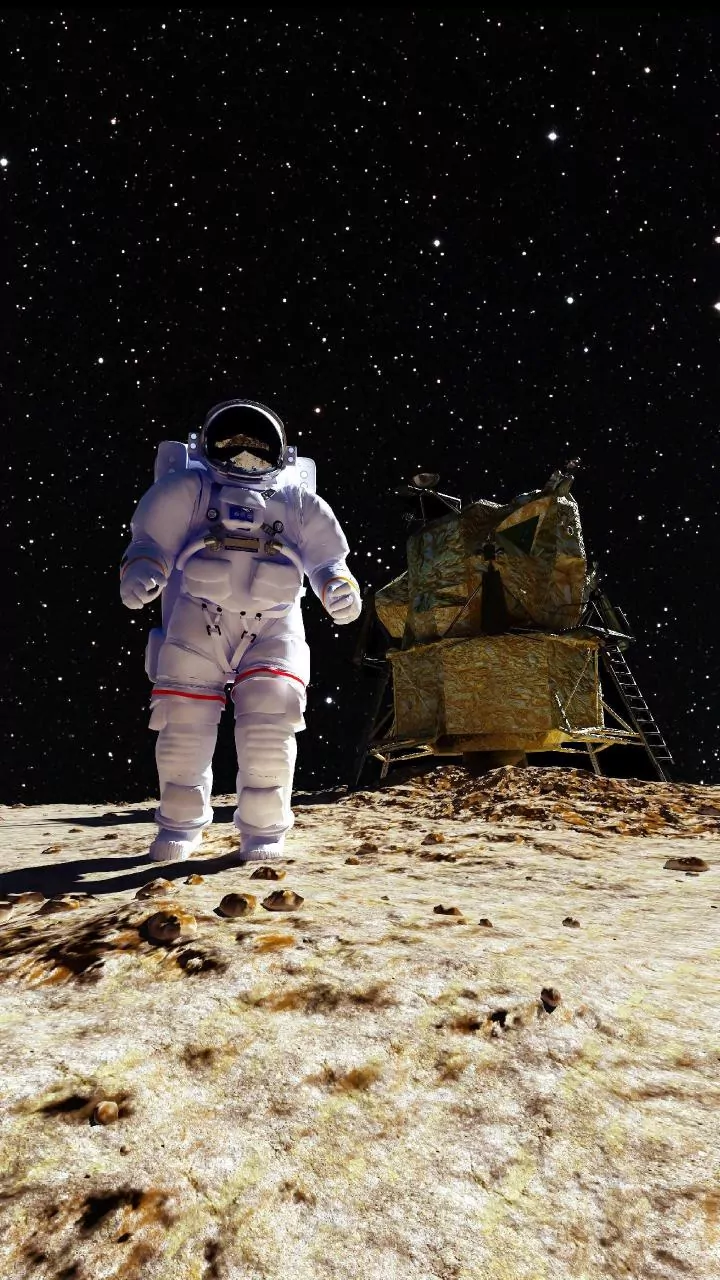





From a Two-Horse Race to a Crowded Field
For decades, space exploration was defined by the Cold War rivalry between the United States (NASA) and the Soviet Union. [4] This government-led model achieved incredible feats, but it was also incredibly expensive. Today, the landscape is virtually
unrecognizable. A diverse ecosystem of private corporations, such as SpaceX, Blue Origin, and Virgin Galactic, has emerged, transforming the industry from a state-funded endeavor into a dynamic commercial market. [4, 11] This shift began in earnest with policies like the Commercial Space Launch Act of 1984 in the US, which encouraged private sector involvement. [14] The result is a new kind of space race, one driven not by national prestige alone, but by competition for customers, innovation, and the creation of a sustainable space economy. [11]
The Reusability Revolution
Perhaps the single most significant innovation brought by the private sector is the reusable rocket. [18] Companies like SpaceX, with its Falcon 9 rocket, pioneered the technology to land and relaunch first-stage boosters, drastically cutting the cost of reaching orbit. [14, 19] What was once like throwing away a car after a single drive is now becoming a routine part of spaceflight. [19] This breakthrough has slashed launch costs by as much as 80-90% compared to traditional expendable rockets, making space more accessible than ever before. [6, 17] This reduction in cost is a primary driver behind the surge in commercial activity, enabling everything from large satellite constellations like Starlink to an increased cadence of scientific missions. [14, 21]
A New Partnership Model with NASA
Instead of building and operating all its own vehicles, NASA has increasingly adopted a new role: the customer. Through its Commercial Crew Program, NASA awarded contracts to SpaceX and Boeing to develop systems to transport astronauts to the International Space Station (ISS). [2, 5, 16] This public-private partnership ended America's reliance on Russian Soyuz rockets and allowed NASA to focus its resources on more ambitious deep-space goals, like the Artemis program to return humans to the Moon and eventually go to Mars. [2, 12, 16] The model is expanding beyond low-Earth orbit. NASA has selected private companies for its Commercial Lunar Payload Services (CLPS) initiative to deliver science and technology to the lunar surface. [23] This approach is also being used for Mars, with Relativity Space chosen to build and launch a Mars orbiter in 2028. [27, 30]
Pushing the Boundaries of Human Spaceflight
Private missions are not just about cargo; they are about expanding the human presence in space. The Polaris Dawn mission, launched in September 2024 and funded by billionaire Jared Isaacman, pushed the limits of commercial spaceflight. [1, 3] Its crew flew to the highest Earth orbit since the Apollo era, conducted the first-ever commercial spacewalk, and carried out nearly 40 scientific experiments. [1, 3, 13] These missions, along with private astronaut flights to the ISS organized by companies like Axiom Space, are creating a new class of spacefarer and gathering valuable data for future long-duration flights. [10] While some ambitious projects like the dearMoon mission, a privately funded tourist flight around the Moon, have been cancelled due to developmental delays with SpaceX's Starship, the ambition remains. [22, 25]
The Future: A Lunar and Martian Economy
The ultimate goal for many of these private players is to build a true space economy. [6] SpaceX's Starship is being developed not just for NASA's Artemis lunar landings but with the ultimate aim of enabling human settlement on Mars. [29] Blue Origin is developing its Blue Moon lander for both robotic and crewed missions, contributing to NASA's plan to build a permanent lunar base. [23, 24, 31] This new era is creating opportunities for a wide range of industries, from satellite internet and asteroid mining to space tourism and in-orbit manufacturing. [6, 20] The path forward involves a complex interplay between government investment and private innovation, but the direction is clear: a future where human activity is not just visiting space, but staying there.