

The Challenge and Reward of the 2026 Orionids
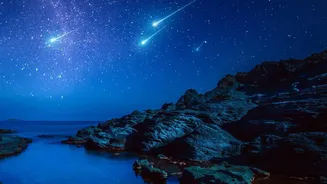
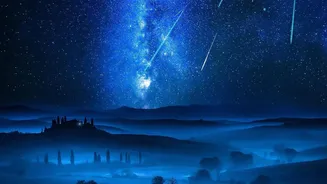
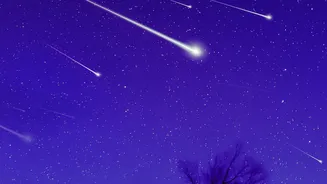
The Orionid meteor shower will be most active on the night of October 21-22, 2026. In a perfectly dark, rural sky, you could see between 15 and 25 meteors per hour. These fast-moving streaks of light are actually tiny fragments of dust and ice left behind
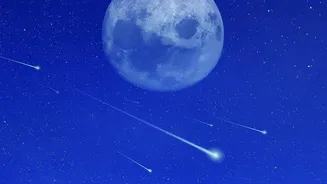
by Halley's Comet, burning up as they enter Earth's atmosphere at high speed. However, the 2026 viewing comes with a specific challenge: a bright waxing gibbous moon, which will be about 80% illuminated and will wash out many of the fainter meteors for most of the night. But there is a golden window of opportunity. The moon is expected to set around 3 a.m. local time, leaving the sky dark until dawn breaks. Your mission is to be in position and ready to watch during these precious pre-dawn hours.
Escape the Glow: Your First Step
The single biggest obstacle to enjoying any meteor shower is light pollution. The ambient glow from streetlights, buildings, and homes in and around our cities creates a permanent twilight that makes it impossible to see all but the brightest stars. Faint meteors stand no chance. Getting a truly dark sky means travelling—sometimes a significant distance. Your goal is to get as far away from the orange and white domes of light that hang over urban and suburban areas as possible. This doesn't necessarily mean a multi-day trip to a remote region, but it almost certainly means a dedicated drive of at least an hour or two away from the city limits.
Use Digital Tools to Scout for Darkness
You don't have to guess where the dark skies are. Several online tools can help you plan your escape. Websites like LightPollutionMap.info provide a detailed map of light pollution levels across the globe. On these maps, cities appear as bright red, white, or pink zones. You should look for areas marked as green, blue, grey, or black. These represent skies with progressively less light pollution. Use these maps to identify promising regions 50 to 100 kilometres outside your city. Look for large pockets of darkness, which often correspond with forests, large agricultural areas, or coastal regions away from towns. This digital scouting is the most effective way to create a shortlist of potential viewing locations before you even get in your car.
Prioritise Safety and Accessibility
Once you've identified a dark region, the next step is to find a specific spot that is both safe and legal to access in the middle of the night. Never venture onto private property, restricted-access lands, or areas that feel unsafe. Good options include official public viewpoints, designated rest areas along highways, or the grounds of a resort or homestay you have booked specifically for this purpose. Some national and state parks may offer night access, but always check regulations beforehand. It is highly recommended to go in a small group rather than alone. Before you leave, let a friend or family member know your exact location and planned return time. Check the weather forecast, and be aware of local conditions, including potential wildlife.
What Makes a Good Viewing Spot?
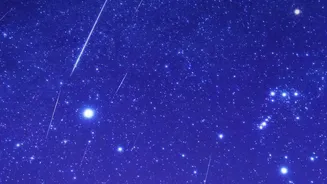
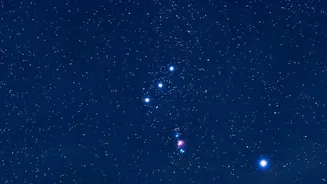
An ideal location has a wide, unobstructed view of the sky, especially towards the east, where the Orion constellation will rise from. While the meteors are named 'Orionids' because they appear to radiate from Orion, they can appear anywhere in the sky. Therefore, a spot with a clear 360-degree horizon is better than a valley. Hilltops or open fields are excellent choices. While remote, high-altitude locations like those in Ladakh or Spiti Valley offer world-class viewing, accessible spots in the Western Ghats, the deserts of Rajasthan, or the Himalayan foothills can provide a fantastic experience. The key is darkness and an open sky.
Pack Your Stargazing Essentials
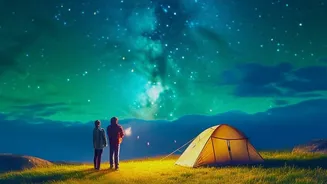
You don't need a telescope or even binoculars to enjoy a meteor shower; your eyes are the best tool for taking in the wide expanse of the sky. However, your comfort is key to a good experience. Pack warm clothes in layers, as even in warmer parts of India, the pre-dawn hours can be chilly. Bring blankets or reclining chairs to lie back on, preventing a sore neck. A thermos with a hot beverage and some snacks can make the wait more pleasant. Crucially, bring a torch that has a red light mode. Red light helps you see your immediate surroundings without ruining your night vision, which takes about 20-30 minutes to fully adapt to the dark.