


More Than a Coffee Run
The Indian café scene, which blossomed from the early days of the Indian Coffee House to the chain revolution led by brands like Café Coffee Day, is undergoing another significant transformation. [3, 4] Once a space defined by the quality of its brew
and the speed of its Wi-Fi, the modern café is evolving into an all-day dining destination. [10] With the market becoming increasingly saturated, simply serving a good cappuccino is no longer enough to ensure loyalty. [10] As a result, café owners are shifting focus from beverage-first formats to building their reputation around substantive, innovative food menus. This strategic pivot is not just about survival; it's about becoming a hub for a new kind of freestyle dining. [25]
The Experimental Kitchen
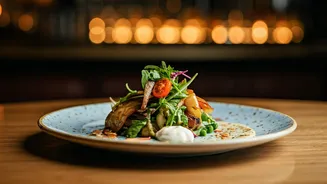
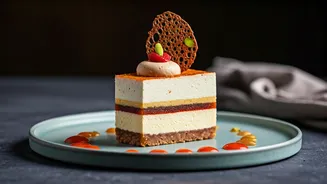
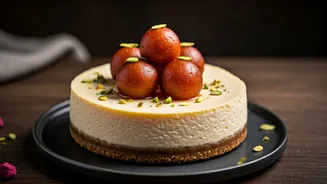
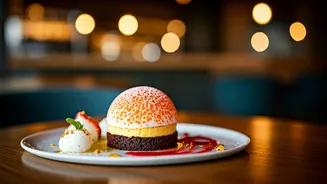
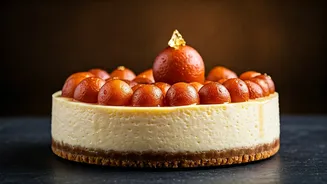
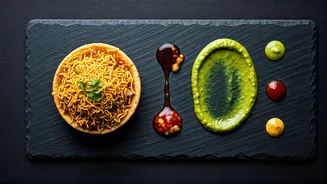
The term "lab" is no accident. A new wave of resto-cafes are embracing a 'mad-scientist' spirit, applying it to the plate with culinary inventions that change frequently. [8] These spaces are becoming hotbeds of creativity, where chefs experiment with global trends, regional Indian flavours, and playful formats. [14] Think of comfort food with a twist: pav bhaji sliders, tandoori jackfruit tacos, and deconstructed chaats. [11, 24] This experimental approach allows cafes to differentiate themselves, creating unique dishes that are not only delicious but also visually striking—perfect for the Instagram era where people eat with their eyes first. [9] Some cafes are even taking the "lab" name literally, like a Chennai outlet that refreshes its experimental global menu monthly. [8]
Why the Sudden Appetite for Change?
Several factors are fuelling this evolution. Economically, food offers higher profit margins and increases the average spend per customer, a crucial advantage in a competitive market. [10, 12] Culturally, customer habits have shifted. Cafés are no longer just for a quick coffee; they function as informal living rooms and remote workspaces where people spend hours. [25] This extended 'dwell time' creates demand for more substantial meals beyond just snacks. Furthermore, the modern Indian diner is more adventurous, with a sophisticated palate and a desire for new experiences. [7] They are looking for more than just a meal; they want a story, an experience, and a connection to what they're eating. [10]
A Taste of the New Comfort
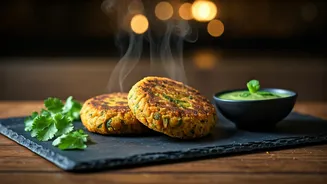
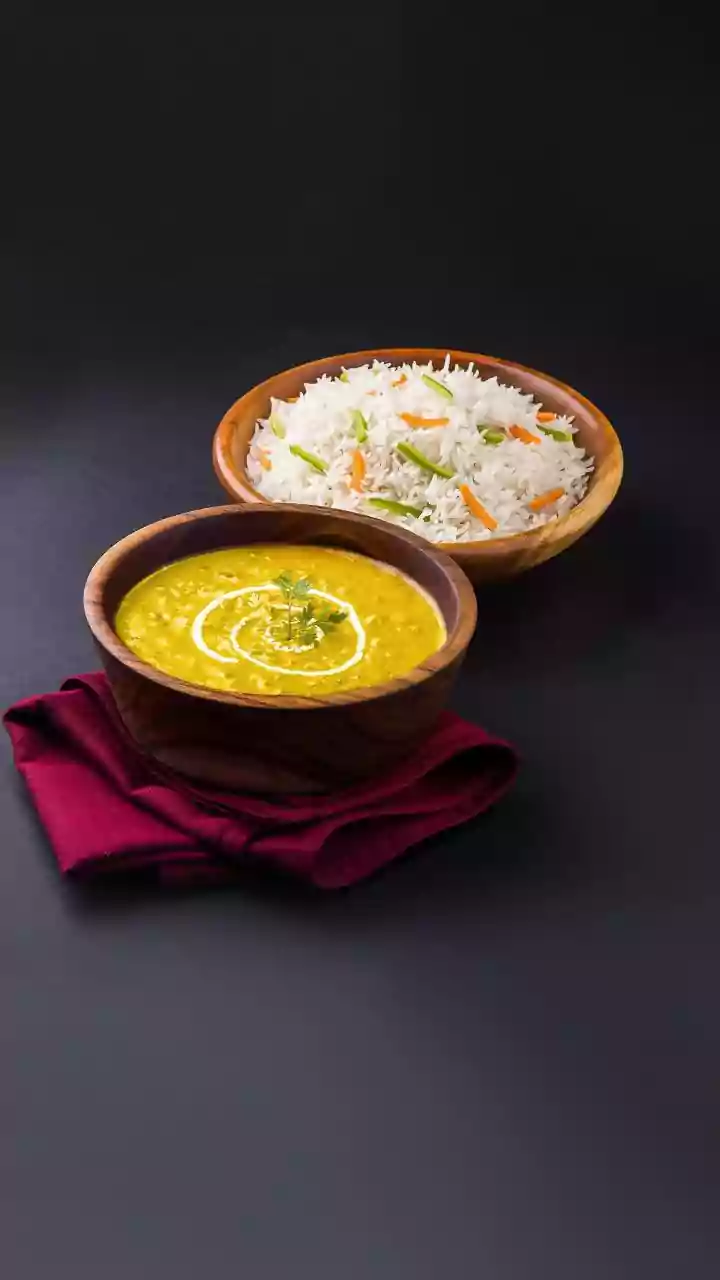
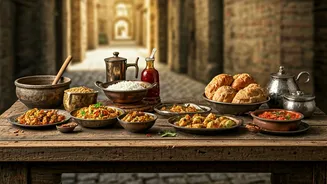
So, what does this new comfort food look like? It's a delightful mix of nostalgia and innovation. Chefs are reviving lesser-known regional Indian recipes, giving them a contemporary platform in a cafe setting. [6] One Delhi cafe, for instance, focuses on dishes you wouldn't typically find in restaurants, like a prawn curry with star fruit or a curry made with roasted papadum. [6] Elsewhere, you might find a classic Italian chicken parmesan given a desi touch with a spicy marinara sauce, or a Japanese-style hot pot with an oat milk broth. [8, 24] It's about taking familiar, comforting ideas—like dal, paneer tikka, or even a cheesy burger—and elevating them with high-quality ingredients, global techniques, and a dash of the unexpected. [17, 18]
The Future of Casual Dining
This trend is blurring the lines between cafe and restaurant, creating a hybrid space that offers the relaxed ambience of the former with the culinary ambition of the latter. [21] By focusing on food-led growth, cafes are not just increasing their revenue; they are deepening their relationship with customers and embedding themselves into the daily fabric of urban life. [25] It's a move away from the 'one-size-fits-all' model towards more specialised, destination-led spaces that offer a complete experience. [25] This shift reflects a broader change in consumer preferences, where quality, experience, and emotional connection are becoming just as important as the coffee itself. [7, 10]