




What Exactly is Fermented Rice Water?
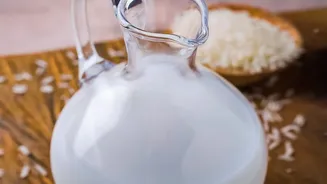
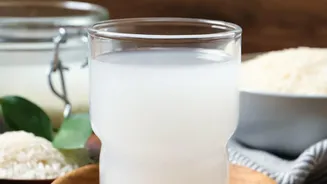
At its simplest, fermented rice water is the liquid left over after rice has been soaked or cooked and then allowed to sit at room temperature for a period, typically between 12 to 48 hours. This process of fermentation encourages the growth of beneficial
bacteria, transforming the starchy water into a probiotic-rich beverage. Unlike the plain rice water often used for hair care, this version is specifically cultivated for consumption. The result is a slightly sour, cloudy liquid packed with live microorganisms, enzymes, and nutrients like B vitamins and antioxidants.
A Sip of History
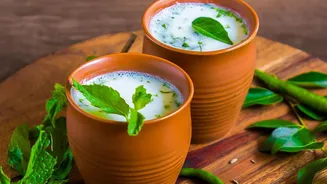
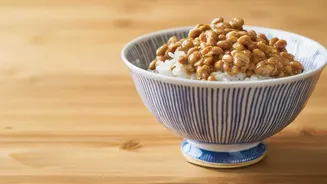
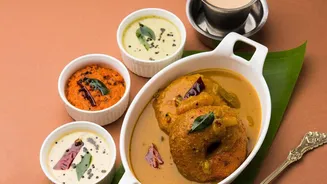
Long before kombucha and kefir became household names, fermented rice water was a staple in many Indian and Southeast Asian homes. Known by various names like Kanji, Panta Bhat in Bengal, Pakhala Bhata in Odisha, and Pazhaya Soru in Tamil Nadu, it was a drink of sustenance. Historically, it was a farmer's morning drink, providing energy for a long day of labour, and a practical, no-waste solution for using leftover rice. Considered a 'poor man's electrolyte drink', it was valued for its hydrating and cooling properties, especially in rural households.
The Modern Health Halo
The resurgence of fermented rice water is largely tied to the growing global focus on gut health. The fermentation process creates a powerhouse of probiotics, particularly lactic acid bacteria, which are essential for a healthy gut microbiome. Proponents claim that regular consumption can improve digestion, reduce bloating, and strengthen the immune system, given that a large part of our immunity resides in the gut. Studies have shown that the fermentation process not only cultivates beneficial bacteria but also produces postbiotics—beneficial compounds that can help reduce inflammation and support overall intestinal health. It is also a natural source of energy, thanks to the carbohydrates from the rice.
Why Now? The Urban Resurgence
Several factors are driving this ancient drink's modern revival in India's cities. The post-pandemic wellness boom has seen a massive shift towards natural and preventive health solutions. There is a growing distrust of overly processed foods and a renewed appreciation for traditional, 'back-to-basics' wisdom. Urban Indians are increasingly seeking out gut-friendly options, and fermented rice water fits perfectly as a homegrown, inexpensive alternative to pricey commercial probiotics. Social media influencers and wellness advocates sharing their experiences have also played a significant role in popularizing this humble drink, framing it as a chic, sustainable wellness practice.
Getting Started Safely
Making fermented rice water at home is simple, but caution is key. The most basic method involves soaking a small amount of rinsed, uncooked rice in filtered water and leaving it in a covered container at room temperature overnight or for up to 24 hours. A slightly sour smell indicates that fermentation has begun. For those using cooked rice, simply cover leftover rice with water and let it ferment overnight in a clay pot, which is the traditional method. It's crucial to use clean utensils and good quality rice. If the mixture develops an unpleasant odour or any signs of mould, it should be discarded immediately. For beginners, it's best to start with a small amount to see how your body reacts.