





So, What Exactly Are Ceramides?
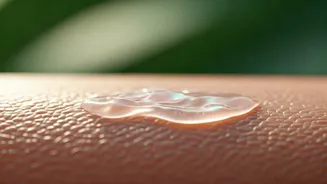
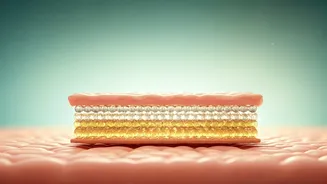
Think of your skin’s outermost layer, the skin barrier, as a brick wall. The skin cells are the 'bricks,' and the lipids (fats) surrounding them are the 'mortar' that holds everything together. Ceramides are a crucial type of lipid that makes up about
50% of this mortar. They are naturally present in our skin, acting as the primary glue that keeps our skin barrier strong, smooth, and hydrated. This barrier has two main jobs: to keep moisture locked in and to keep harmful things like pollution, bacteria, and irritants out. When your ceramide levels are healthy, your skin looks plump, feels soft, and is resilient. When they are depleted, that brick wall starts to develop cracks, leading to dryness, irritation, and sensitivity.
Why Are They Suddenly Everywhere?
The ceramide boom is a direct response to another major trend: the overuse of powerful active ingredients. In our quest for flawless skin, many of us have embraced potent chemical exfoliants (like AHAs and BHAs) and retinoids. While these ingredients are effective, they can be harsh if used incorrectly or too frequently. This can compromise the skin barrier, leading to redness, flaking, and a 'sensitised' feeling. People started looking for a solution—not another active to 'fix' a problem, but something to repair and support the skin itself. Ceramides became the hero ingredient for barrier repair. Add in environmental stressors common in India, like high pollution levels and harsh UV rays, and the need for a strong, protective skin barrier has never been more apparent.
What Do Ceramide Creams Actually Do?
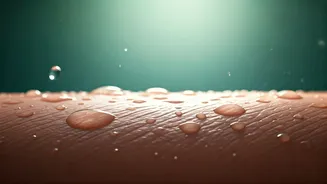
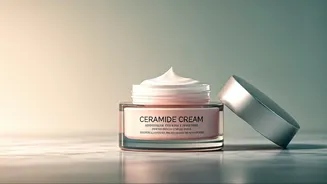
When you apply a ceramide-infused cream, you're essentially providing your skin with the building blocks it's missing. These creams help to patch up the 'cracks' in your skin's mortar. The primary benefits are threefold. First, they dramatically improve hydration by preventing transepidermal water loss (a fancy term for moisture evaporating from your skin). Second, they strengthen your skin’s natural defences, making it less susceptible to environmental damage and irritation. Third, they can soothe existing sensitivity and redness by restoring balance. This makes them a fantastic companion for anyone using strong actives like retinol or vitamin C, as ceramides help mitigate the potential for irritation, allowing you to get the benefits of your treatment with fewer side effects.
Are They Right For Your Skin Type?
This is the best part: ceramides are beneficial for virtually every skin type. If you have dry or mature skin, your natural ceramide production is likely declining, making these creams essential for replenishing moisture and firmness. For those with oily or acne-prone skin, it might seem counterintuitive to add a lipid, but a damaged barrier can actually trigger an overproduction of oil to compensate for dryness, leading to more breakouts. A lightweight ceramide moisturiser can help regulate oil production by restoring balance. Even in India's humid climates, where heavy creams can feel suffocating, there are many gel-based and lotion-like ceramide formulas that provide barrier support without feeling greasy. They are universally well-tolerated because they are 'skin-identical'—your body already knows what they are.
How to Choose the Right Product
When shopping, don't just look for the word 'ceramide' on the front. Turn the bottle over and check the ingredients list. You'll often see them listed as Ceramide NP, Ceramide AP, or Ceramide EOP. Formulations that contain a cocktail of different ceramides, along with other barrier-supporting ingredients like cholesterol and fatty acids, are often the most effective, as this combination closely mimics the skin's natural lipid composition. Also look for humectants like hyaluronic acid and glycerin, which draw moisture into the skin, allowing the ceramides to lock it in. The texture is a matter of preference; you can find everything from rich, thick creams for very dry skin to lightweight, silky lotions perfect for combination or oily skin types.