

The Philosophy of the Master Base
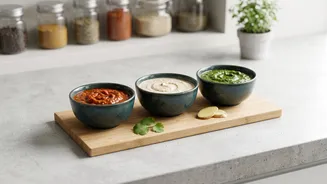
The foundation of countless Indian dishes is a well-cooked gravy or masala base. This is often the most time-consuming part of the cooking process, involving the slow browning of onions, blooming of spices, and cooking down of tomatoes. By preparing a large
batch of this base in advance, you compress what can take up to an hour of daily prep into a single, efficient cooking session. This method doesn't just save time; it builds a foundation of deep, complex flavour that can be steered in numerous directions. With a pre-made base, you are always just minutes away from a restaurant-quality meal, whether you're adding vegetables, lentils, paneer, or meat.
The All-Purpose North Indian Base
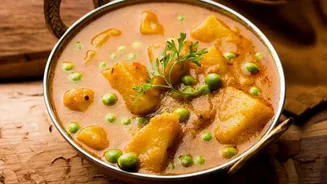
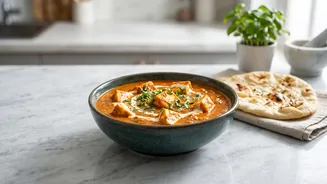
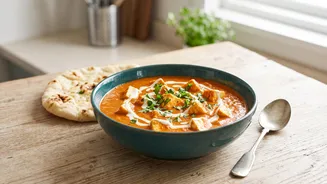
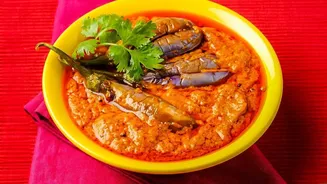
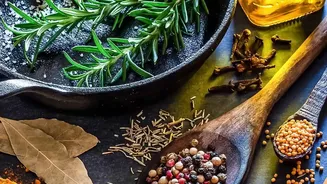
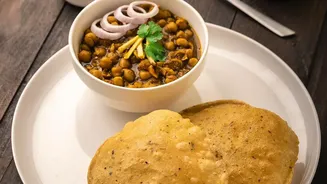
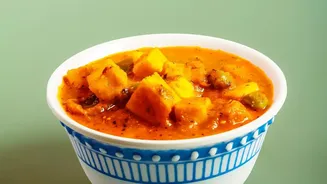
North Indian curries are often characterized by their rich, creamy, and rounded flavours. The cornerstone is a gravy made from onions, tomatoes, ginger, and garlic. To make this base, start by slowly caramelizing a large quantity of finely chopped onions in oil until they are soft and golden brown. This can take a good 20 minutes but is crucial for a deep, sweet flavour. Next, add ginger and garlic paste and cook for another few minutes until fragrant. Follow this with puréed tomatoes and a blend of ground spices like turmeric, coriander powder, cumin, and a touch of red chilli powder. Let this mixture simmer until the oil begins to separate from the masala. Once cooled, this thick, luscious base can be blended for a smoother consistency. It's the perfect starting point for classics like chana masala, paneer butter masala, or a simple chicken curry.
A Versatile South Indian Foundation
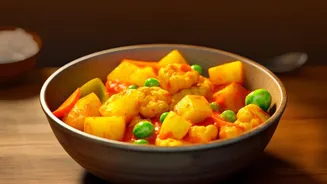
South Indian cuisine leans on a different palette of flavours: tangy, aromatic, and often coconut-based. A versatile South Indian base reflects this tropical profile. While recipes vary by region, a common foundation involves coconut in some form—be it milk, oil, or grated. For a multi-purpose base, start by tempering mustard seeds, curry leaves, and dried red chillies in coconut oil. To this, you can add onions, ginger, garlic, and green chillies, sautéing until softened. The sour note, a hallmark of many southern curries, often comes from tamarind pulp instead of the tomatoes heavily used in the north. A blend of spices including turmeric, coriander, and black pepper is typical. This base is lighter and soupier than its northern counterpart, perfect for soaking into rice. It can be used to create vegetable stews, fish curries, or lentil dishes like sambar.
Smart Storage for Lasting Flavour
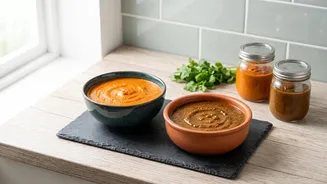
Proper storage is key to preserving the freshness of your curry bases. Once cooked, allow the bases to cool completely to room temperature. For short-term use, you can store them in an airtight container in the refrigerator for up to a week. For longer storage, the freezer is your best friend. Portion the cooled base into individual servings using small containers or freezer-safe zip-top bags. An excellent method is to use ice cube trays; once frozen, you can pop the cubes out and store them in a larger bag. This allows you to thaw exactly the amount you need. Frozen curry bases will retain their flavour for up to three months. Always label your containers with the date and type of base to stay organized.
From Base to Brilliant Meal in Minutes
The beauty of these bases is their adaptability. To use your North Indian base, simply heat a portion in a pan, add your main ingredient (like cooked chickpeas or sautéed paneer), a splash of water or cream to reach your desired consistency, and finish with a sprinkle of garam masala. For your South Indian base, heat it up, add steamed vegetables or fish, and let it simmer. A final tempering of spices (tadka) can be poured over the top for an extra burst of flavour just before serving. You can customize each dish by adding specific ingredients—a bit of cream for a richer North Indian korma, or more tamarind for a tangier South Indian kuzhambu. This system transforms weeknight cooking from a chore into a creative and speedy process.