




A Dessert We Didn't Know We Needed
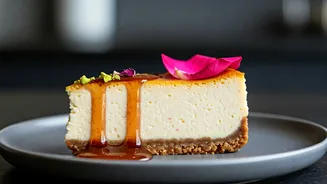
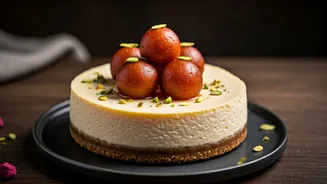
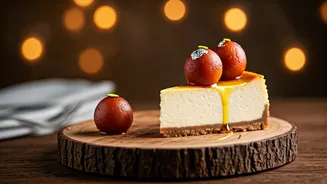
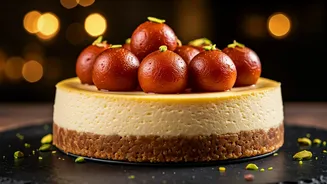
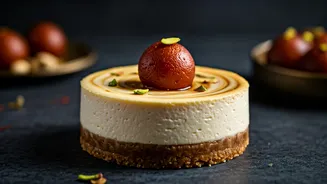
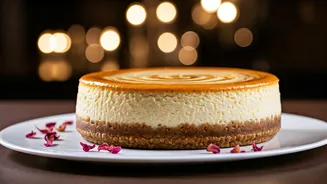
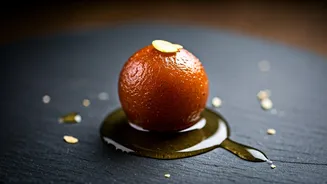
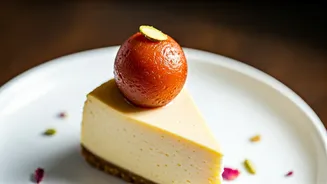
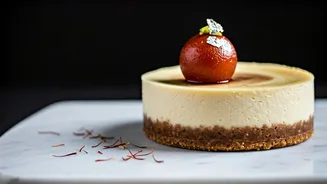
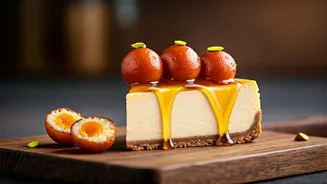
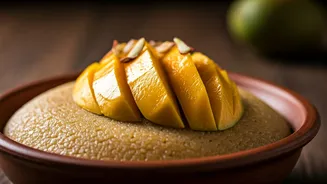
Imagine a creamy, decadent cheesecake, but with a delightful surprise. Nestled within its velvety expanse are soft, syrup-soaked gulab jamuns, those beloved milk-solid spheres that are a cornerstone of Indian celebrations. The base is often a biscuit
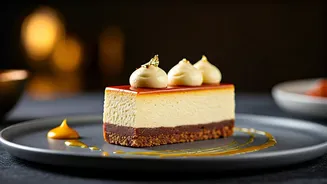
crumb, sometimes infused with cardamom or saffron, providing a sturdy, fragrant foundation. The cheesecake itself is typically a no-bake affair, lending a light, almost mousse-like texture that doesn’t compete with the richness of the jamuns. To finish, it’s often garnished with slivered pistachios, almonds, and delicate rose petals, making it as much a feast for the eyes as it is for the palate. It’s a marriage of Western dessert architecture and Indian mithai soul, creating something entirely new yet wonderfully familiar.
The Science of a Perfect Bite
The success of this dessert isn’t accidental; it’s a masterclass in balancing flavours and textures. A traditional gulab jamun is unapologetically sweet, steeped in a fragrant sugar syrup. A classic cheesecake, on the other hand, carries a subtle tang from the cream cheese. When combined, a beautiful harmony emerges. The cheesecake’s creamy tartness cuts through the intense sweetness of the jamun, preventing either element from becoming overwhelming. It’s a perfect culinary dialogue. Then there's the texture. The smooth, cool cheesecake provides a luxurious backdrop for the soft, spongy, and slightly warm-spiced jamun. Each spoonful offers a delightful contrast—creamy, spongy, crumbly—that keeps you coming back for just one more bite. This is not just a mashup; it's a carefully engineered piece of dessert genius.
Beyond a Trend, A Cultural Statement
While fusion food can sometimes be hit-or-miss, the Gulab Jamun Cheesecake has transcended the label of a fleeting trend. It has become a staple, a modern classic that speaks volumes about the confidence of contemporary Indian cuisine. For years, Indian food abroad was often simplified or 'toned down'. At home, traditional recipes were held as sacred and untouchable. This dessert, however, represents a new wave of culinary thinking. It’s playful, innovative, and deeply rooted in Indian flavours without being afraid to borrow from global techniques. It’s a symbol of a generation that is proud of its heritage but also globally connected. It says, “Our flavours are bold enough to stand on their own, and versatile enough to play with others.”
The Star of Every Celebration
Look around at any modern Indian wedding, festive gathering, or even an upscale restaurant menu, and you are likely to find Gulab Jamun Cheesecake. It has successfully moved from a niche café experiment to a mainstream celebratory dish. Why? Because it solves a delightful dilemma. It satisfies the aunties and uncles who crave a taste of traditional mithai, while also appealing to the younger generation looking for something with a modern, Instagram-worthy twist. It’s a dessert that bridges generations, bringing everyone to the same table. It’s celebratory by nature, combining the festive spirit of gulab jamun with the special-occasion feel of a cheesecake. It has become the unofficial dessert of the new India—joyful, inclusive, and undeniably delicious.