
The New Definition of Festive Dressing
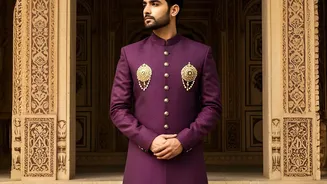
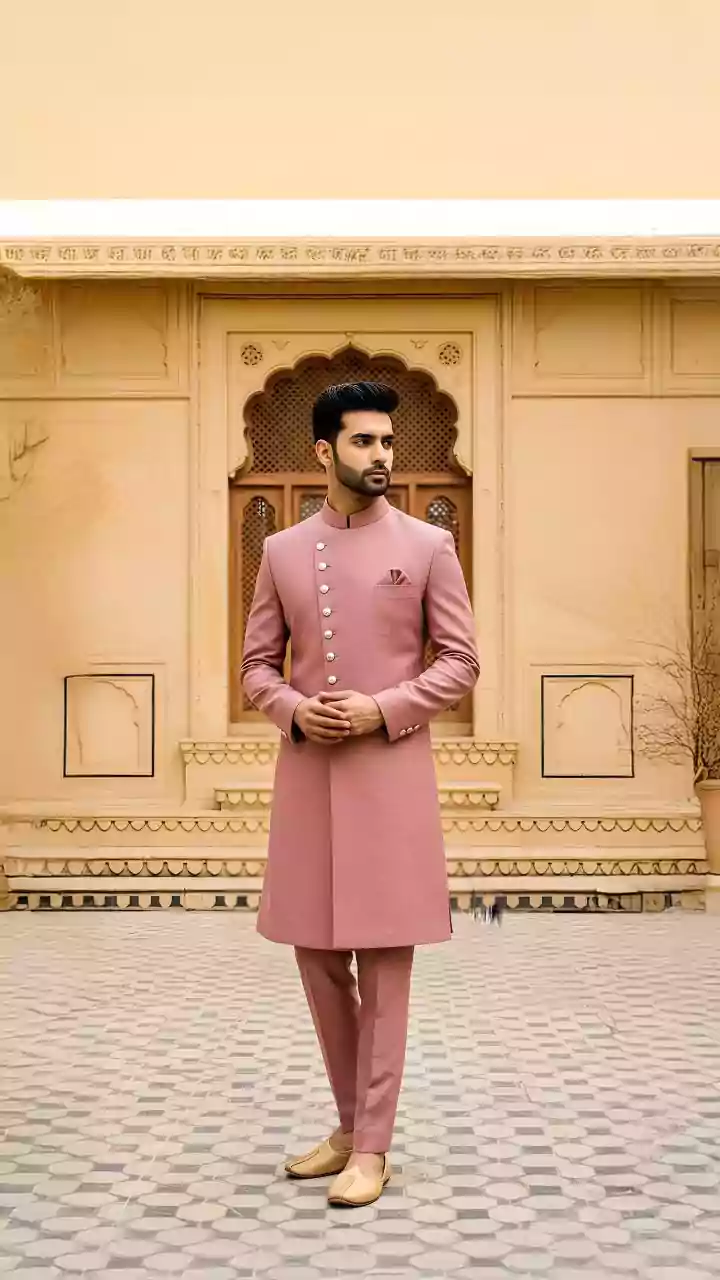
For years, Indian festive fashion followed a simple rule: more is more. Heavy lehengas, stiff sherwanis, and elaborate sarees were the default for any significant celebration. But a clear shift is underway. The modern approach to festive dressing prioritises
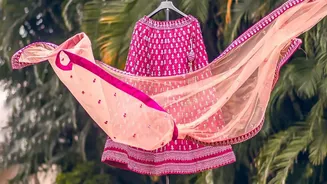
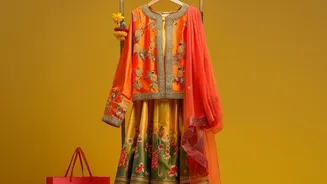
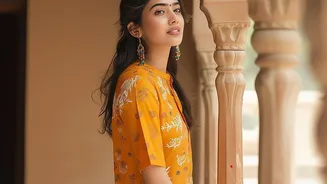
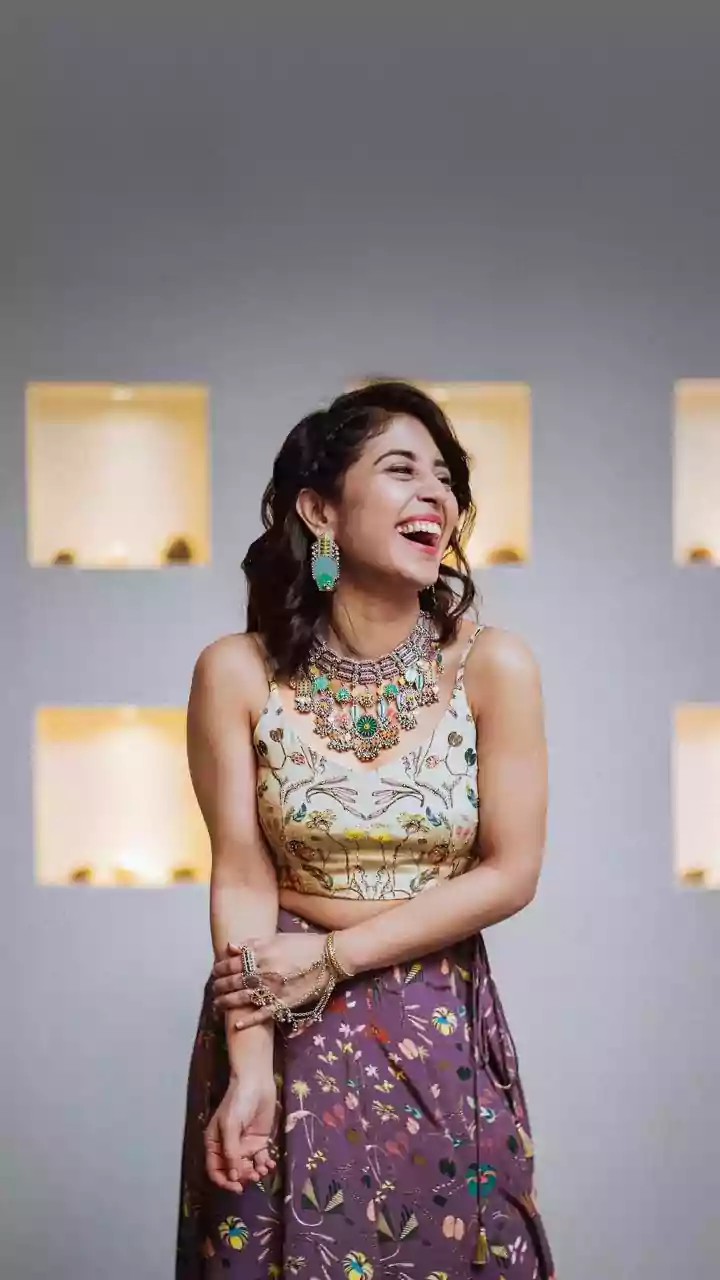
movement, personality, and ease. Instead of being weighed down by their clothes, people want to feel graceful and effortless. This has given rise to cleaner, more fluid silhouettes like flowing anarkalis, kaftan sets, breezy shararas, and pre-draped sarees that offer glamour without the fuss. The new luxury isn't about how heavy an outfit looks, but how light and comfortable it feels.
Heritage in Every Thread
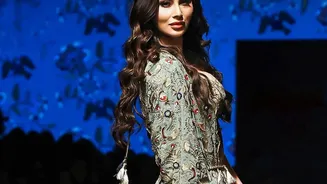
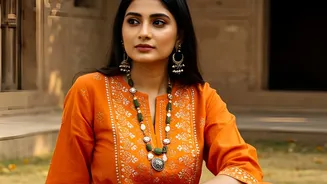
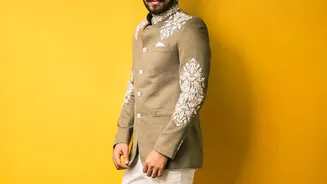
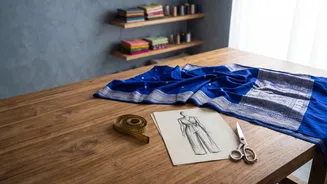
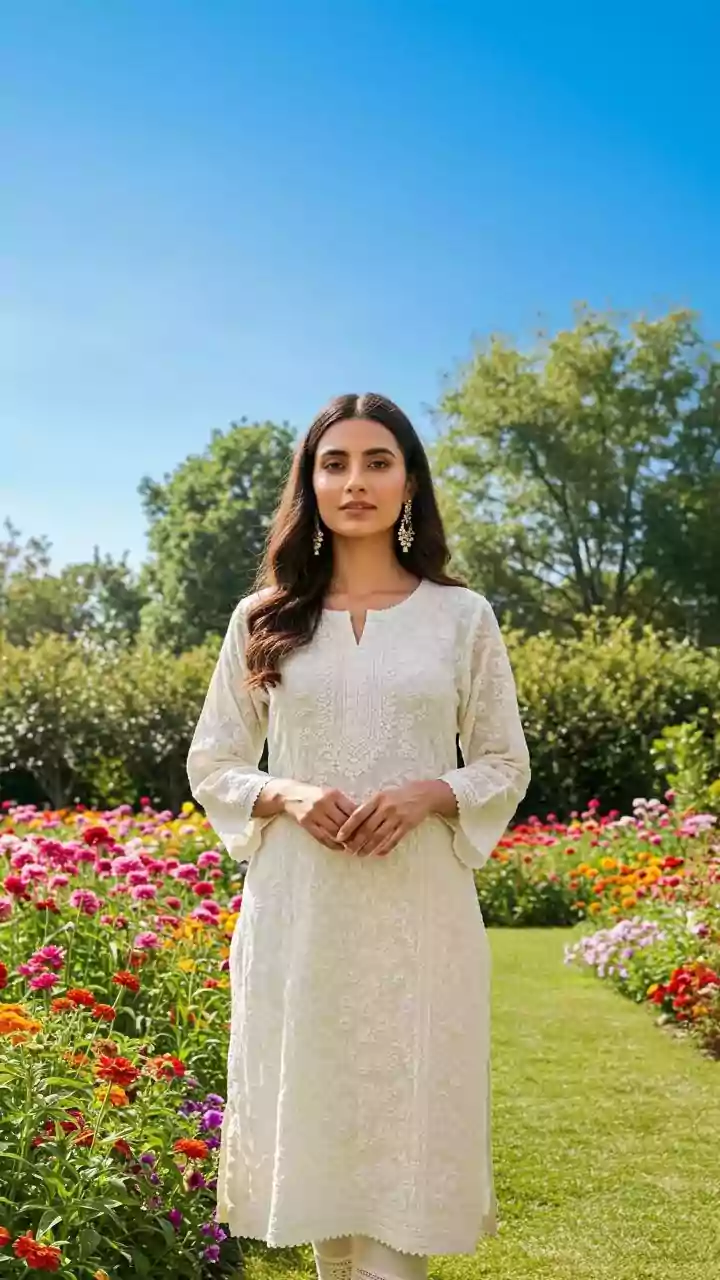
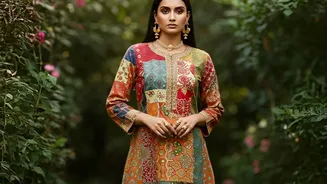
This move toward comfort doesn't mean a departure from tradition. In fact, it's the opposite. The soul of this new aesthetic lies in its deep appreciation for heritage craftsmanship. Designers are thoughtfully applying intricate, traditional techniques to these modern, relaxed shapes. Delicate chikankari embroidery might adorn a loose cotton-silk kurta, while hand-block prints find a new home on coordinated sets. Banarasi or brocade textiles are being used in contemporary cuts, and subtle zardozi work might elevate a simple tunic. This approach keeps the clothing firmly in the festive category, offering a visual richness that honours centuries of artisanal skill while fitting into a contemporary lifestyle.
The Post-Pandemic Comfort Revolution
The global pandemic undeniably accelerated this trend. After spending extended periods at home, our collective tolerance for uncomfortable clothing plummeted. Comfort became a non-negotiable part of our daily wardrobes, and that expectation has naturally carried over into occasion wear. The rise of smaller, more intimate at-home gatherings also played a role. A heavily embellished, 20-kilogram lehenga feels out of place at a cozy Diwali dinner with close family. Consumers now seek versatile pieces that feel appropriate for a puja at home but can also be styled for a larger reception. This demand for functionality has made designers rethink what festive wear can be.
Designers Leading the Charge
This sartorial evolution is being championed by a host of Indian designers who have built their brands on the philosophy of modern comfort rooted in craft. Labels like Eka and 11.11/eleven eleven focus on handwoven textiles and fluid shapes, celebrating the beauty of handcraft in everyday luxury. Others, like Kalista, are known for fluid, contemporary pieces that are as comfortable as they are considered. Designers such as Anita Dongre have long bridged the gap between heritage crafts and modern silhouettes, working with artisan communities to create wearable, elegant clothing. These creators are proving that thoughtful design can deliver both style and substance, offering pieces that feel rooted and relevant.
A Statement of Modern Indian Identity
Ultimately, the fusion of handcrafted details and relaxed shapes is more than just a fashion trend; it's a reflection of a modern cultural identity. It speaks to a generation that is globally connected yet deeply proud of its heritage. It represents a shift from performative dressing to intuitive style—choosing clothes that support your life rather than restrict it. This new aesthetic balances a respect for the past with the realities of the present. It's for the person who wants to dance freely at a wedding, sit comfortably through a long ceremony, and feel effortlessly elegant while doing it all. It is a quiet, confident statement that you can have it all: tradition, comfort, and impeccable style.