
What Is Bioavailability?
In the world of nutrition, 'you are what you eat' is only half the story. The more accurate phrase would be 'you are what you absorb.' Bioavailability is the term for the proportion of a nutrient that your body can actually absorb and use from the food
you consume. Many factors can influence this, from your own health status to the other foods you eat in the same meal. For plant-based diets, which are common across India, understanding bioavailability is crucial for unlocking the full potential of your food, especially when it comes to minerals like iron and the building blocks of protein.
The Plant-Based Iron Challenge
Iron comes in two forms: heme, found in animal products, and non-heme, found in plants. Your body finds it much easier to absorb heme iron. Non-heme iron, the type in foods like lentils, spinach, beans, and grains, is harder for our bodies to use. This is partly because many plant foods also contain compounds called phytates and polyphenols (found in tea and coffee) that bind to iron and inhibit its absorption. This is a significant challenge in India, where iron deficiency is widespread and many diets are predominantly vegetarian.
Vitamin C: The Key to Unlocking Iron
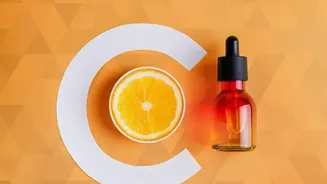
This is where Vitamin C (ascorbic acid) becomes a nutritional superhero. Decades of research confirm it is the most potent enhancer of non-heme iron absorption. It works in two main ways. First, Vitamin C helps convert the plant-based iron from its hard-to-absorb ferric (Fe³⁺) form into the much more soluble and absorbable ferrous (Fe²⁺) state. Second, it forms a protective bond with the iron, keeping it soluble as it moves through your gut and preventing inhibitors like phytates from locking it away. Studies show that adding even small amounts of Vitamin C to a meal can dramatically increase iron absorption, sometimes by two to three times or more.
What About Plant Protein?
While the headline pairs Vitamin C with protein, the relationship is more indirect than its direct action on iron. Vitamin C doesn't boost the initial absorption of protein in the same way. Instead, its role is crucial for what happens after protein is broken down into amino acids. Vitamin C is essential for the synthesis of collagen, a vital protein that makes up our skin, bones, and connective tissues. Many plant proteins, like those from soy and peas, provide the necessary amino acids (glycine and proline) for building collagen, and Vitamin C is the key that enables that process. It also acts as a powerful antioxidant, protecting cells and tissues—including muscles—from damage, thereby supporting overall protein function.
Putting It All on Your Plate
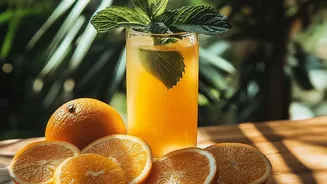
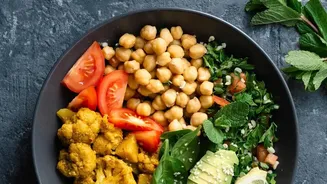
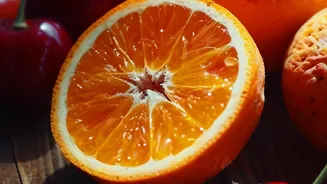
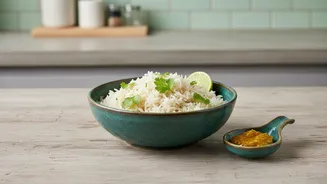
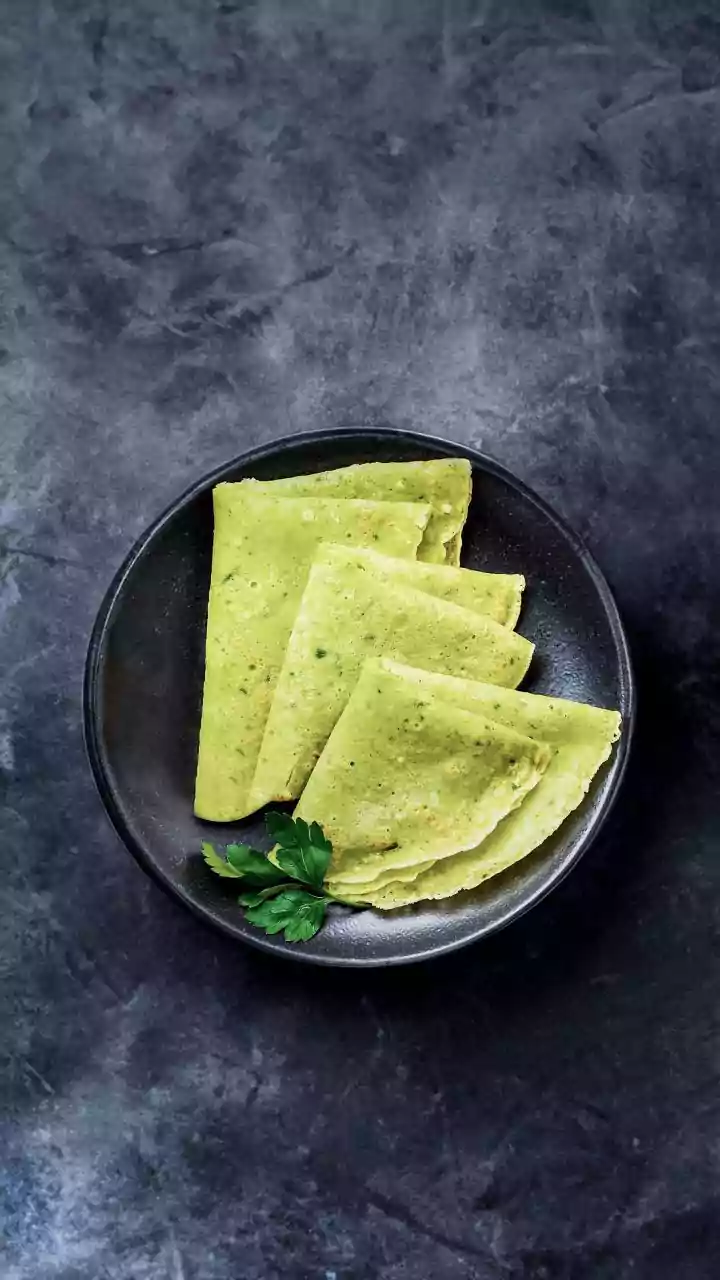
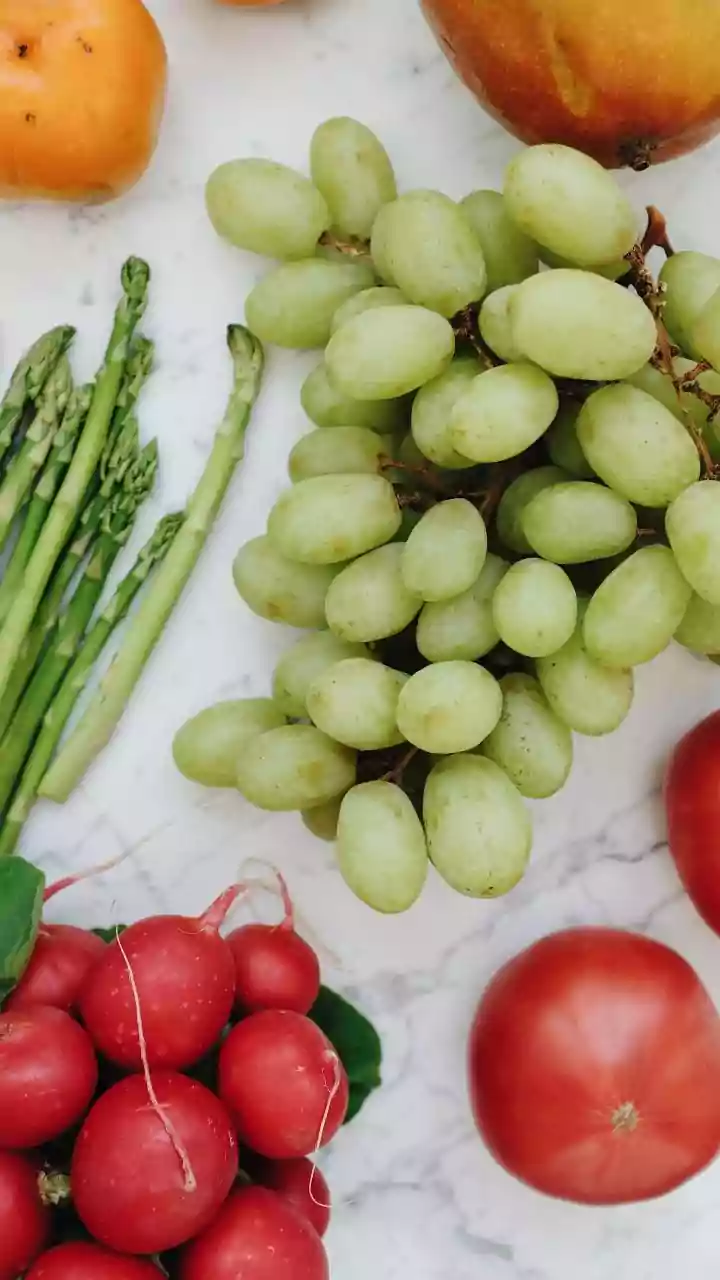
The good news is that making this science work for you is simple and delicious. The key is to combine your iron and protein-rich plant foods with a source of Vitamin C in the same meal. For Indian kitchens, these pairings are often traditional and intuitive. Think of squeezing lemon juice over your dal or spinach sabzi. Cooking dal or chickpea curry with tomatoes is another classic example. You could have a bean salad with chopped capsicum (bell peppers), or a ragi dosa with a side of fresh tomato chutney. Adding amla (Indian gooseberry), guava, or oranges as part of a meal or snack can also do the trick. The goal is to make these pairings a regular habit.