







Meet Your Body’s Internal Clock
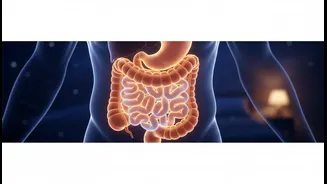
Every cell in your body, including your entire digestive system, operates on a 24-hour cycle known as a circadian rhythm. This internal clock dictates that your digestive system is primed for action during the day. In the morning and early afternoon,
the production of digestive enzymes, stomach acid, and the muscular contractions that move food along are all at their peak. As evening approaches, your body’s metabolism naturally slows down, shifting from active digestion to rest and repair mode. This evolutionary design prepared our ancestors to eat during daylight hours and fast overnight while they slept.
The Science Behind Midday Eating and Bloating
When you consume your largest meal in the evening, you're asking your digestive system to perform a difficult task when it’s winding down for the night. Digestion slows, meaning food sits in your gut for longer. This extended period can lead to increased fermentation by gut bacteria, which produces excess gas, leading to that familiar feeling of bloating, pressure, and discomfort. Furthermore, the gut has a natural 'housekeeping' wave, called the migrating motor complex (MMC), that sweeps debris through the intestines during fasting periods. Eating late or snacking continuously can interrupt this crucial cleaning process, potentially contributing to bloating and bacterial overgrowth. By shifting your main meal to midday, you are working with your body’s natural rhythm. Your digestive system is at its most efficient, breaking down food effectively and minimizing the chances of fermentation and gas.
How a Heavy Dinner Disrupts Deep Sleep
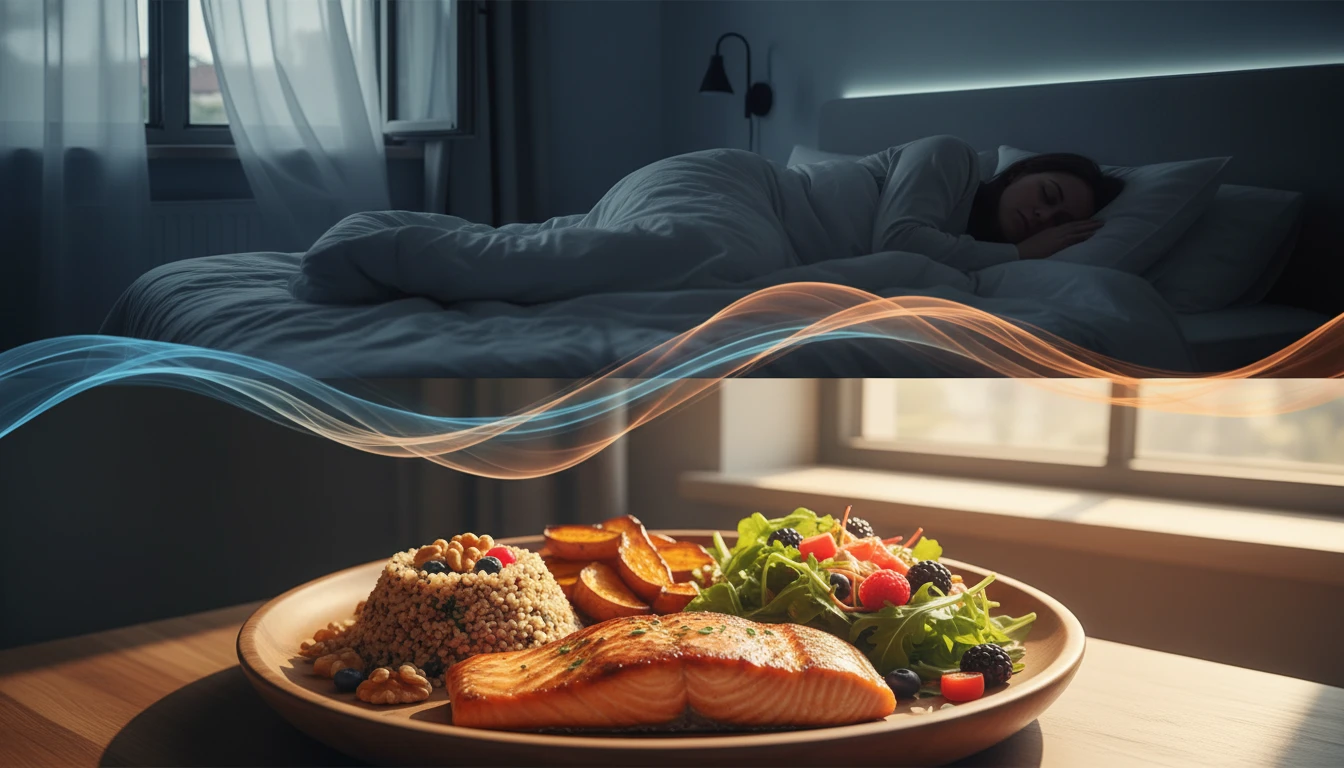
A large evening meal can sabotage your sleep in several ways. Firstly, the process of digestion, known as thermogenesis, raises your core body temperature. However, to initiate and maintain deep sleep, your body needs to cool down. Eating a heavy meal close to bedtime works against this natural process, potentially delaying sleep onset and making it less restorative. Secondly, lying down with a full stomach can increase the risk of acid reflux, where stomach acid flows back into the esophagus, causing heartburn and discomfort that can fragment sleep. The body is forced to juggle two competing demands: digesting food and entering a state of rest. This conflict can lead to more frequent awakenings and prevent you from reaching the deeper, more restorative stages of sleep. Studies show that stopping food intake two to three hours before bed improves sleep quality.
Practical Steps to Make Lunch Your Main Meal
The idea of a large lunch and a light dinner can seem challenging in a culture built around the evening meal. But a gradual shift can make it manageable. Start by planning your meals. A simple strategy is to cook a larger portion of your healthy dinner and set aside a generous serving for the next day's lunch before you eat. This turns leftovers into 'planovers'. Aim for a balanced midday meal containing complex carbohydrates, lean protein, and healthy fats to give you sustained energy for the afternoon and prevent cravings. For your evening meal, think lighter. Soups, salads with a small portion of protein, or a smaller serving of what you ate for lunch are all great options. Try to finish this lighter dinner at least three hours before you go to bed to give your digestive system ample time to process it before you lie down.