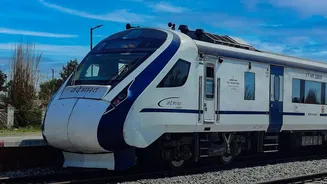






The dream of high-speed rail in India is fast approaching reality. Indian Railways has set its sights on 2027 for the first passenger service, with the inaugural run planned for the crucial Surat-Vapi section of the Mumbai-Ahmedabad corridor.
A Landmark 2027 Launch
The country's
first-ever bullet train service is slated to begin in the last quarter of 2027, according to Railway Minister Ashwini Vaishnaw. This inaugural phase will connect the bustling commercial hubs of Surat and Vapi in Gujarat. Rather than waiting for the entire 508-kilometre Mumbai-Ahmedabad High-Speed Rail (MAHSR) corridor to be completed, the government is adopting a phased approach to operationalise sections as they become ready. This strategy allows for a quicker launch, giving passengers an early taste of high-speed travel while work continues on more complex parts of the line, particularly in Maharashtra. Recent progress has been swift, with the overhead electrical systems on the Surat-Bilimora stretch—a part of the initial launch section—being energised in November 2026. This milestone is a critical step towards beginning trial runs, which are expected to commence by mid-2027 ahead of the public launch.
Why the Gujarat Section First?
The decision to prioritise the Surat-Vapi section is a strategic one, largely driven by faster progress in land acquisition and construction within Gujarat. As of late 2026, all necessary land for the project has been acquired, and major civil works in the state, including the construction of viaducts, bridges, and stations, are substantially complete. In contrast, the project faced significant delays in Maharashtra due to challenges in land acquisition and permissions. By launching the Gujarat portion first, Indian Railways can demonstrate the project's viability, conduct extensive testing of the Japanese Shinkansen technology, and refine operations in a controlled environment. This section will serve as a powerful proof of concept for the future of high-speed rail across India.
A Glimpse into High-Speed Travel
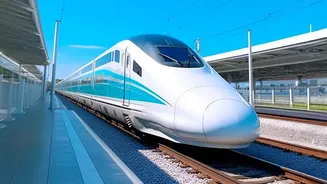
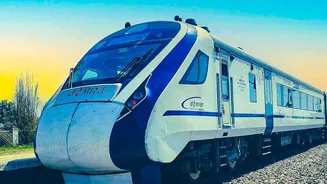
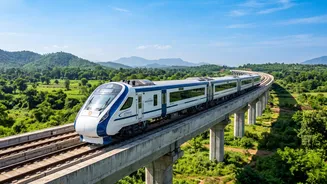
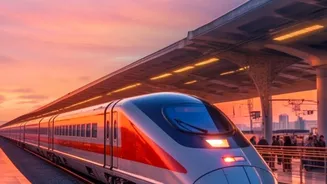
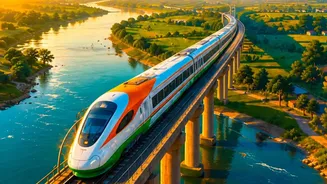
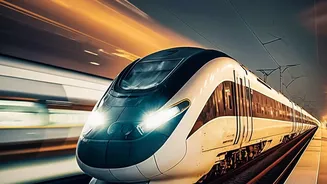
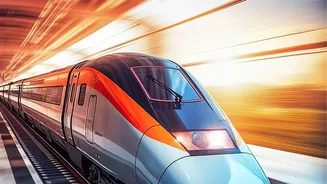
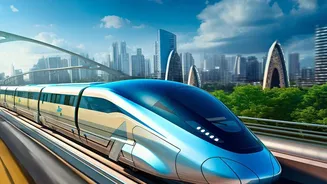
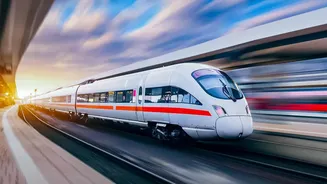
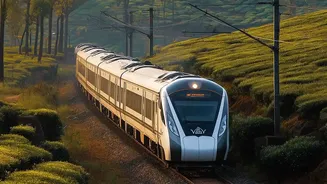
Operating at speeds of up to 320 km/h, the bullet train will revolutionise travel between key economic centres. The full Mumbai to Ahmedabad journey is expected to take just over two hours, a massive reduction from current travel times by road or conventional rail. For the initial Surat-Vapi run, passengers can expect a seamless and futuristic experience. The trains themselves, including the indigenous B28 trainset being built by Indian companies, are designed for high performance and comfort. The infrastructure is equally advanced, featuring an elevated viaduct for most of its length to ensure safety and speed, along with world-class station facilities. The project also includes India's first undersea rail tunnel, a 7-km stretch beneath Thane Creek in Maharashtra, showcasing the ambitious engineering feats involved.
The Bigger Picture and Economic Impact
The Surat-Vapi launch is more than just a new train service; it's the first step in creating a vibrant economic corridor. The high-speed connection is expected to supercharge development in the region, boosting industries like textiles and diamonds in Surat and providing enhanced connectivity for the industrial belt of Vapi. This improved mobility is anticipated to fuel real estate growth, attract further investment, and integrate the economies of these cities more closely with Mumbai and Ahmedabad. The MAHSR project is a cornerstone of India's ambition to modernise its infrastructure and develop domestic manufacturing capabilities for high-tech components. The successful rollout of the first phase will build momentum for the seven other high-speed corridors currently planned across the country, fundamentally changing how Indians travel and connect.