



The Urban Craving for Nature
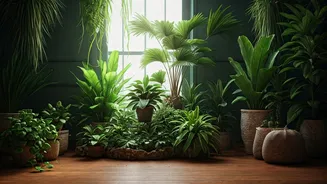
Modern urban living, with its concrete landscapes and digital overload, often leaves us feeling disconnected and stressed. This has given rise to biophilic design, a concept centred on our innate human need to connect with nature. Studies have shown that
introducing natural elements and materials into our indoor environments can significantly reduce stress, lower blood pressure, and improve our overall mood. It’s not just about adding a few plants; it’s about creating a sensory experience that grounds us. Using materials like wood, stone, and especially clay, helps forge a tangible link to the natural world, turning our homes into restorative sanctuaries.
The Quiet Magic of Terracotta
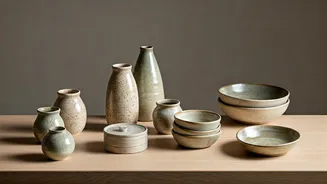
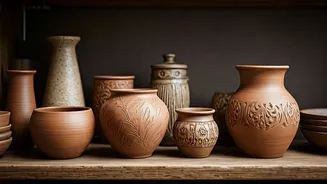
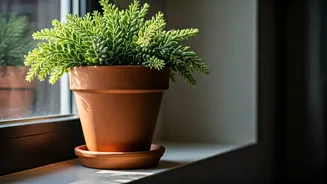
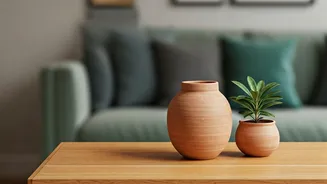
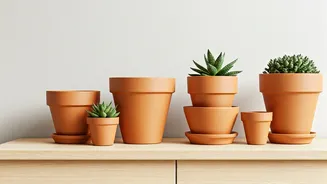
Terracotta, which literally means “baked earth,” is more than just a material for pots. Its warm, earthy tones—from rust and ochre to deep browns—are inherently soothing and visually appealing. The porous nature of clay has practical benefits, too; it has been used for centuries in India for its natural cooling properties, making the iconic 'matka' a summer staple. This breathability helps regulate temperature and humidity in a room. Beyond its functional aspects, the handcrafted nature of clay items adds a unique, imperfect charm. Each piece tells a story of its creation, providing a welcome contrast to mass-produced decor and fostering a sense of authenticity and peace.
Celebrating India's Rich Pottery Heritage
When we talk about local clay crafts, we're tapping into a deep well of cultural heritage. India has a vast and diverse tradition of pottery, with each region offering a unique style. Khurja pottery from Uttar Pradesh is known for its vibrant, hand-painted floral patterns on a distinct off-white background. The black clay pottery of Nizamabad, also in UP, offers a striking matte black finish, often detailed with geometric designs. From West Bengal come the iconic Bankura horse figurines, powerful symbols of rustic artistry. Meanwhile, Longpi pottery from Manipur is unique for being made without a potter's wheel, resulting in a beautiful dark, rustic finish. By choosing these crafts, you not only beautify your home but also support the artisan communities that keep these traditions alive.
More Than Just Planters: How to Style Clay
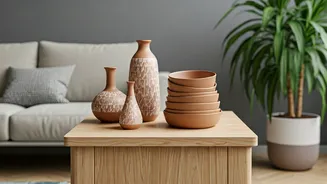
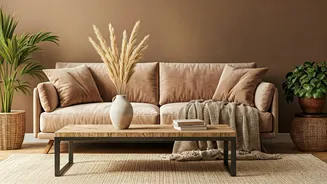
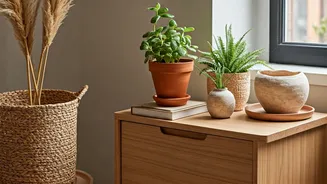
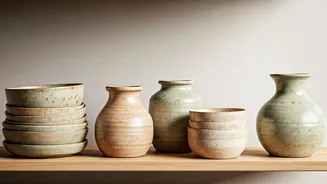
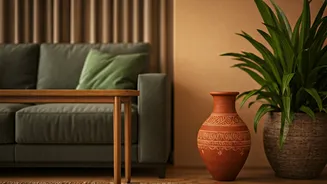
Integrating clay into your home goes far beyond the balcony garden. An oversized terracotta pot can anchor a living room corner, filled with dried pampas grass or bamboo stalks for a modern-ethnic look. Use smaller, hand-painted clay bowls and plates as decorative accents on a shelf or even as wall art. In the kitchen, terracotta utensils and storage jars are not only aesthetically pleasing but are also great for slow cooking and keeping spices fresh. For a soft, ambient glow in the evening, use terracotta tea light holders, whose natural texture diffuses light beautifully to create a cozy atmosphere. You can even find terracotta in wall tiles and art forms like Lippan Kaam from Kutch, which uses clay and mirrors to create stunning murals.
A Mindful Connection to Your Space
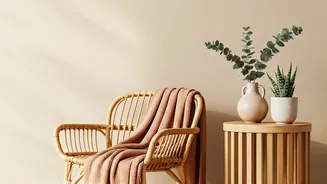
Embracing local clay crafts is an act of mindful curation. The process of choosing a piece, feeling its texture, and finding the perfect spot for it in your home encourages a deeper connection to your surroundings. It shifts the focus from simply filling a space to creating an environment that nurtures your well-being. These objects are not just decor; they are conversation starters, links to a rich cultural past, and daily reminders to slow down. By pairing these earthy elements with natural textiles like cotton or jute and minimalist furniture, you create a balanced interior that feels both contemporary and timelessly serene.