



A Flavour Revolution on Your Plate
For years, the Indian café scene has been a predictable landscape of cappuccinos, sandwiches, and pastas. But a quiet revolution is underway, and it’s bringing the bold, untamed flavours of the Northeast to the forefront. Chefs and café owners are looking
past mainstream ingredients and embracing the pungent, powerful tastes of fermented condiments and the legendary heat of the Bhut Jolokia, or ghost pepper. This isn't just about adding a new chilli to the mix; it's a fundamental shift towards celebrating regional Indian culinary diversity. As urban diners become more adventurous, they are discovering that the most exciting new flavours are not from distant lands, but from the hills and valleys of Nagaland, Manipur, Assam, and their neighbours. This trend is a delicious exploration of ingredients that have been central to tribal kitchens for centuries.
The Fire: More Than Just Heat
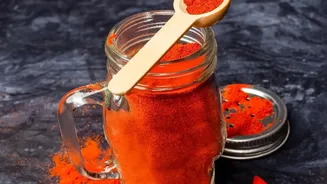
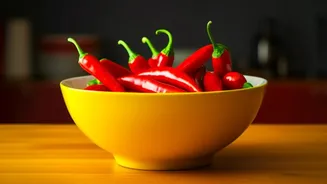
When you hear Bhut Jolokia, you think of heat. Once certified as the world's hottest chilli, its reputation is formidable. But innovative chefs are looking beyond its power to scorch and are tapping into its unique flavour profile. The ghost pepper has a distinct fruity, almost smoky taste that adds incredible complexity to a dish when used correctly. In urban fusion cafes, it's being used to create everything from fiery burger sauces and marinades for grilled meats to a mind-bending twist in sweet dishes like chocolate desserts or ice cream. It is no longer just a dare or a gimmick; it's being respected as a gourmet ingredient that can elevate a dish from ordinary to unforgettable. This careful, creative application is introducing a whole new audience to the nuances of one of India's most famous chillies.
The Funk: An Introduction to Fermentation
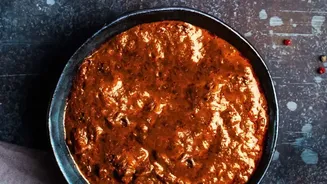
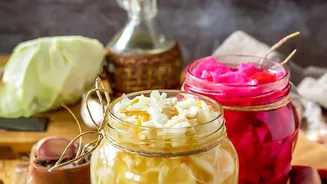
Perhaps even more transformative than the chilli is the introduction of fermented products from the Northeast. These ingredients, often with strong, pungent aromas, are packed with umami—the savoury fifth taste. The most notable is Axone (also called Akhuni), a fermented soybean product from Nagaland that provides a deep, rich, and savoury flavour to stews and chutneys. Similarly, there's Anishi, which is made from fermented and smoked taro leaves, lending an earthy, sour taste to dishes. In Meghalaya, Tungrymbai, another fermented soybean product, is a staple. In the past, these ingredients were rarely found outside of their home states. Now, they are appearing in surprising places, like in a dip served with fries, as a base for a complex curry, or even infused into mayonnaise.
Bridging Tradition and Modernity
The magic of this trend lies in its fusion of old and new. Chefs are not simply recreating traditional Northeastern dishes; they are using these heritage ingredients as building blocks for contemporary food. Imagine a pizza topped with smoked pork and fermented bamboo shoots, or a slider featuring a patty seasoned with ground Axone. This culinary dialogue honours the ingredient's origin while placing it in a new, accessible context. It’s a way of making unfamiliar flavours approachable for a wider audience, sparking curiosity about the cultures they come from. By integrating these ingredients into familiar formats, cafes are acting as cultural bridges, making the rich food traditions of the Northeast a part of the national culinary conversation.
Why This Culinary Shift Matters
This trend is more than just a passing fad; it signifies a maturing of the Indian palate. It reflects a growing pride in local food traditions and a move away from the idea that 'premium' ingredients must be imported. For years, the cuisines of the Northeast have been largely underrepresented in the mainstream. Their arrival in urban cafes is a powerful statement of inclusion and recognition. It challenges diners to expand their definitions of Indian food and celebrates the immense diversity of the country's culinary landscape. This movement gives a platform to ingredients and techniques developed over generations, supporting the communities that have preserved them and ensuring these flavours continue to thrive.