



The Gut Microbiome at a Glance
At the heart of this research is the gut microbiome—a complex ecosystem of trillions of microorganisms living in our digestive tract. Think of it as a bustling internal garden that plays a pivotal role in everything from digestion and nutrient absorption
to immune function and even mental health. A diverse and balanced microbiome is a cornerstone of good health. Scientists have found that this internal ecosystem is not static; it's highly adaptable and can change based on factors like diet, lifestyle, and even the time of year.
Ancient Wisdom: Fermentation and Seasonality
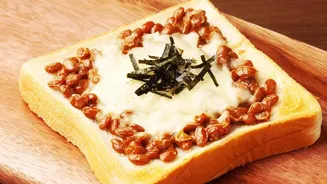
Long before refrigeration, fermentation was a crucial method for preserving food. It allowed communities to store the bounty of summer and autumn harvests for the leaner winter months. This ancient practice not only extended the shelf life of vegetables, grains, and dairy but also enhanced their nutritional value. The fermentation process can increase the bioavailability of vitamins and minerals, meaning our bodies can absorb them more easily. This historical link between preserving seasonal produce and nutrition is a key reason for the renewed scientific interest.
The Science of Seasonal Eating
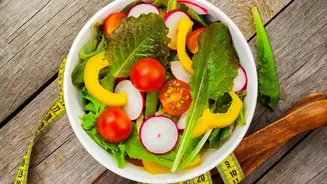
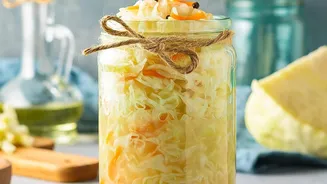
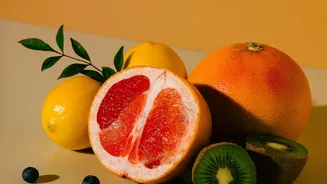
Modern research is now revealing that our gut microbiome can shift with the seasons. Studies suggest that the diversity of our gut bacteria tends to be higher in the spring and summer when we typically eat more fresh, fibre-rich fruits and vegetables. Conversely, microbial diversity can decrease in the autumn and winter, when diets often shift towards heavier, starchier foods. Researchers are exploring the theory that consuming seasonal fermented foods could help support these natural shifts. For example, eating fermented vegetables from the autumn harvest during winter could provide beneficial microbes and nutrients when fresh produce is less available, potentially supporting immune function during colder months.
From Global Trends to Indian Traditions
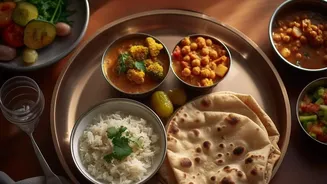
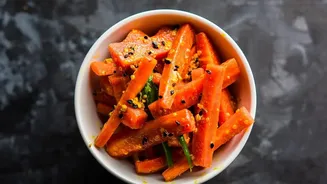
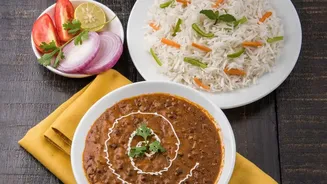
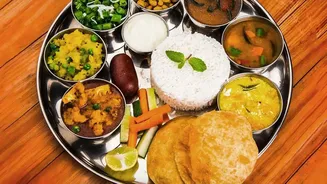
While foods like kombucha and sauerkraut are globally popular, India has a rich and diverse heritage of fermentation that has been part of its culinary and wellness traditions for centuries. Foods like dahi (curd), dosa, idli, dhokla, and various regional pickles (achar) are all products of fermentation. Research is increasingly validating the health benefits of these traditional Indian foods, noting their potential to deliver probiotics and other bioactive compounds. This aligns with the global understanding that fermented foods can be a source of beneficial bacteria for the gut. The scientific exploration into these age-old practices highlights how traditional food wisdom often has a strong basis in promoting well-being.
What's Next in Fermentation Research?
The field of seasonal nutrition and fermented foods is dynamic and growing. Future research aims to understand the specific effects of different microbial strains found in these foods. Scientists are investigating how a diet rich in fermented foods might help reduce inflammation and improve gut barrier function. There is also significant interest in how these foods might be used in personalized nutrition, tailoring dietary recommendations to an individual’s unique microbiome. The ultimate goal is to move from general recommendations to specific, evidence-based advice on the types, timing, and frequency of fermented food consumption for optimal health.