






Why the Moon is a Stargazer's Frenemy
Think of the Moon as the street light of the solar system. When it’s full and bright, its reflected sunlight floods the night sky, creating a natural form of light pollution. This celestial glow washes out faint and delicate objects. The ghostly band
of the Milky Way, distant nebulae, and most meteors become nearly impossible to see. A full moon can shrink the number of visible stars from thousands to just a few hundred. However, on nights when the Moon is a slim crescent or entirely absent, the sky becomes a dark canvas, allowing the faintest cosmic treasures to shine through. That’s why timing is everything for a successful stargazing session.
July 2026 Moon Calendar for India
To make the most of the month, here are the crucial dates for the Moon's phases in July 2026. All times are based on the Indian Standard Time zone.
- Third Quarter: July 8.
- New Moon: July 14.
- First Quarter: July 21.
- Full Moon: July 29.
The Full Moon this month is known as the Buck Moon. It will be visible all night, rising around sunset on July 29 and making that period challenging for deep-sky viewing.
Your Best Dark-Sky Window
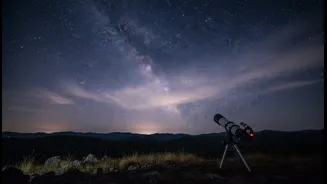
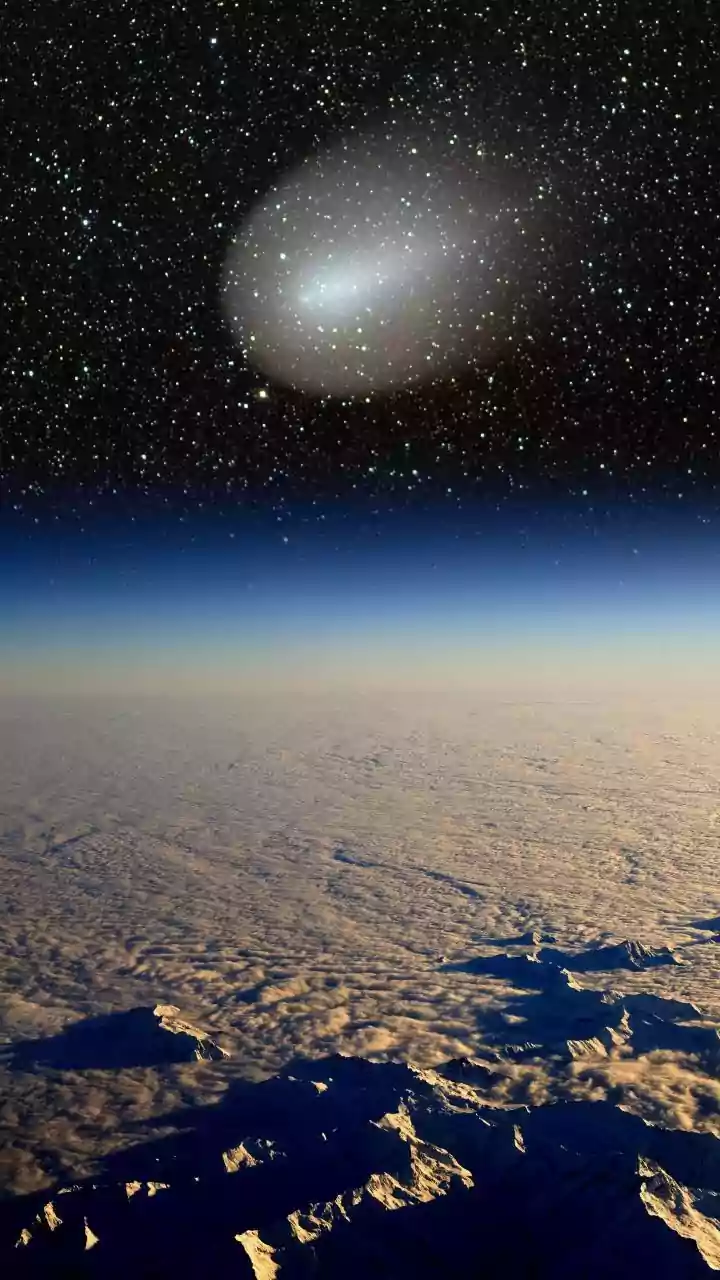
The period around the New Moon on July 14 offers the darkest skies and the prime window for stargazing this month. Generally, the week from about July 10 to July 17 will provide excellent conditions, with minimal moonlight interference. This is the ideal time to pack your binoculars or telescope and head to a location away from city lights. During these nights, the magnificent core of the Milky Way will be on full display, stretching across the sky like a river of stars. It's the perfect opportunity to see our galaxy's structure with your own eyes, an experience often lost to urban light pollution.
What to Spot When the Sky is Dark
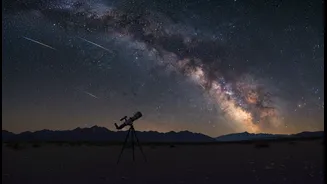
With the Moon out of the way, several celestial highlights await. In the early morning hours, you can catch some beautiful planetary alignments. On July 11, a thin crescent Moon will form a lovely triangle with the reddish planet Mars and the sparkling Pleiades star cluster. While Mars is easily visible to the naked eye, binoculars will help reveal the dozens of stars within the Pleiades cluster. Throughout the month, you can also try to spot Comet 10P/Tempel 2 near the constellation Capricornus, which may be visible as a faint, fuzzy patch of light through binoculars. July also marks the beginning of the annual Perseid meteor shower, starting around July 17.
Observing on Bright Nights
Don't write off the rest of the month just because the Moon is bright. The nights surrounding the Full Moon on July 29 are perfect for appreciating the Moon itself. Use binoculars to explore its craters and seas. Bright planets are also strong enough to defy the moonlight. Saturn, with its steady golden glow, will be visible in the early morning sky. Venus will be a brilliant beacon in the west after sunset. On the nights of July 30 and 31, the Southern Delta Aquariids meteor shower will peak. Although the bright moon will wash out the fainter meteors, this shower is known for producing occasional bright fireballs that can still put on a show.
The Monsoon Challenge
For many in India, July stargazing comes with a significant hurdle: the monsoon. Cloudy skies can be a frequent frustration. However, patience and planning can pay off. Keep a close eye on local weather forecasts and be ready to take advantage of any breaks in the clouds. Sometimes the best viewing opportunities come right after a spell of rain, when the atmosphere is washed clean of dust and haze. For those seeking guaranteed clear skies, rain-shadow regions like Spiti Valley and Ladakh offer some of the best monsoon-season stargazing in the country due to their high altitude and dry climate.