




The Two Faces of Elaichi
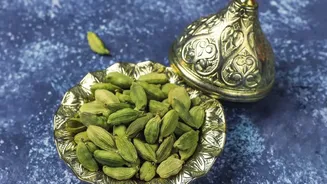
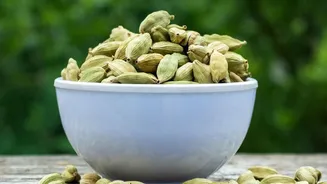
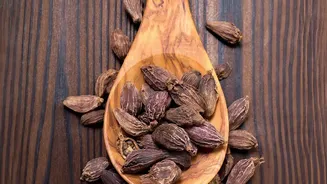
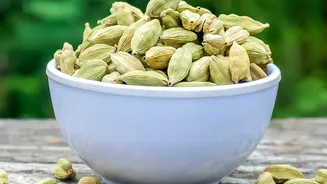
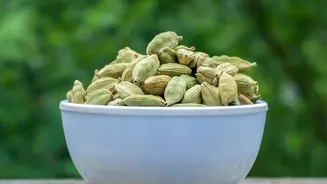
Before you start cooking, it's helpful to know the two main types of cardamom. Green cardamom, or 'choti elaichi', is the more common variety, known for its sweet, floral, and slightly citrusy notes. It's perfect for desserts and beverages. Black cardamom, or 'badi
elaichi', is larger, darker, and has a distinct smoky, earthy flavour. It's dried over an open fire, which gives it this potent aroma, making it ideal for robust, slow-cooked savoury dishes. They are not interchangeable; think of them as two entirely different spices.
For a Sweet Breakfast Boost
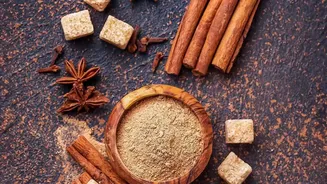
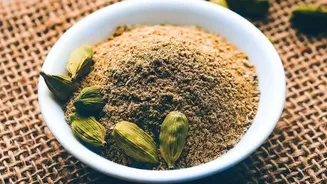
Move over, cinnamon. Adding a pinch of ground green cardamom to your breakfast can transform it. Stir it into your morning oatmeal, sprinkle it into pancake or french toast batter, or blend it into a banana shake for an aromatic start to your day. Cardamom pairs beautifully with fruits like pear, peach, and apple; try simmering sliced fruit with honey and a bit of cardamom for a simple, elegant compote to top your yogurt.
The Soul of Savoury Rice
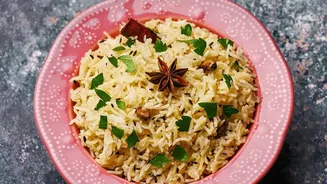
Cardamom is a cornerstone of aromatic rice dishes like biryani and pulao. This is where both types can shine. Black cardamom is often added whole at the beginning of cooking to infuse the oil and build a smoky, savoury base for the masala and rice. Green cardamom pods, on the other hand, are used to lend a final layer of sweet fragrance, often added towards the end. Even a simple pot of basmati rice can be elevated by frying a few whole green cardamom pods in ghee before adding the rice and water.
Elevating Curries and Stews
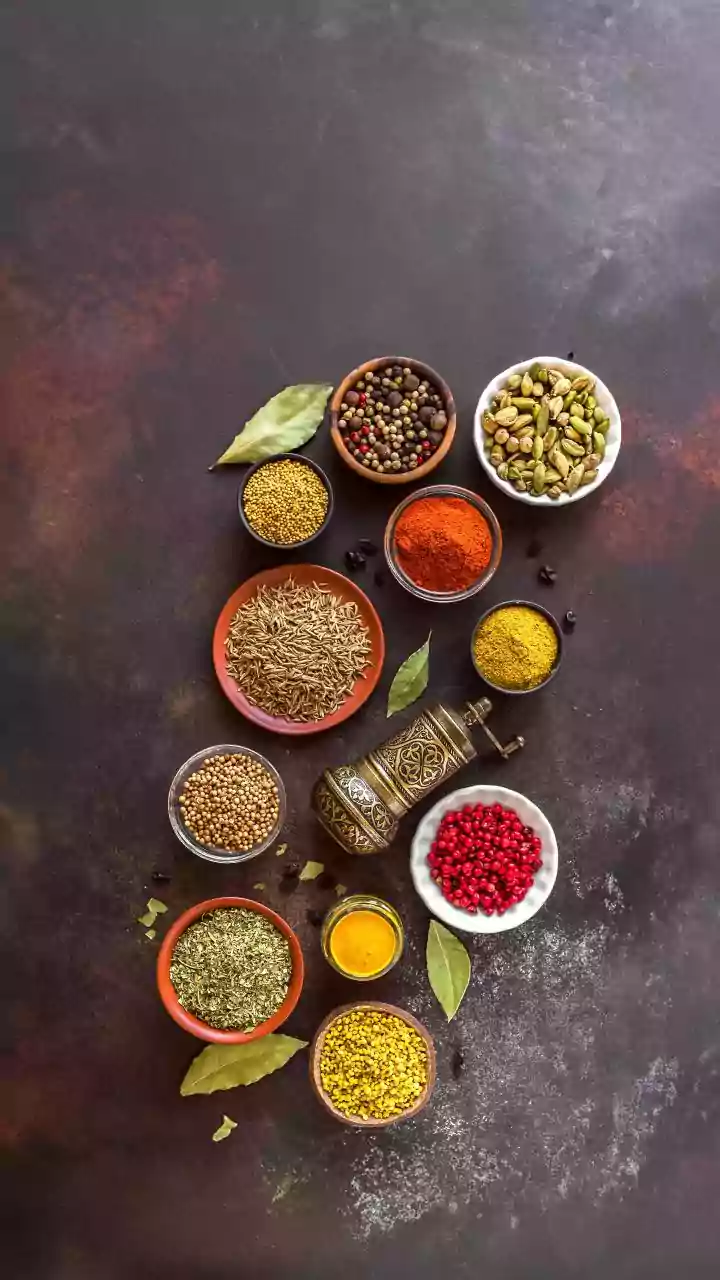
Cardamom is a key component in many essential Indian spice blends, including garam masala. In savoury cooking, whole green cardamom pods are often added to hot oil with other whole spices to create a flavourful base, or 'tadka'. Its warm, citrusy notes complement the richness of dals, chicken curries, and vegetable stews. Black cardamom lends its robust, smoky depth to heartier dishes like rajma, chole, and slow-cooked meat preparations, where its intensity can mellow and infuse the entire dish.
Rethinking Desserts and Bakes
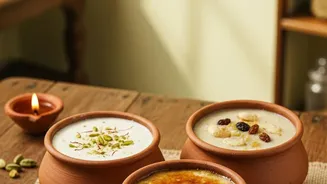
In the world of sweets, cardamom is a classic. It’s the signature aroma in kheer, gulab jamun, and gajar ka halwa. But its use doesn't stop there. Ground green cardamom can be a surprising and sophisticated substitute for nutmeg or cinnamon in Western-style baked goods. Try it in shortbread cookies, apple pies, carrot cake, or even a decadent chocolate cake. Its floral notes pair wonderfully with citrus, chocolate, nuts, and honey.
In Your Daily Cup
The most common use for elaichi is, of course, in chai. Crushing a pod or two into your daily tea creates that soothing, aromatic brew beloved across India. But have you tried it in your coffee? Popular in the Middle East, adding cardamom to coffee can complement the bitter notes of the beans and is even thought to neutralize some of caffeine's acidity. For a refreshing summer drink, a pinch of cardamom can elevate a simple buttermilk (chaas) or a sweet mango lassi.