



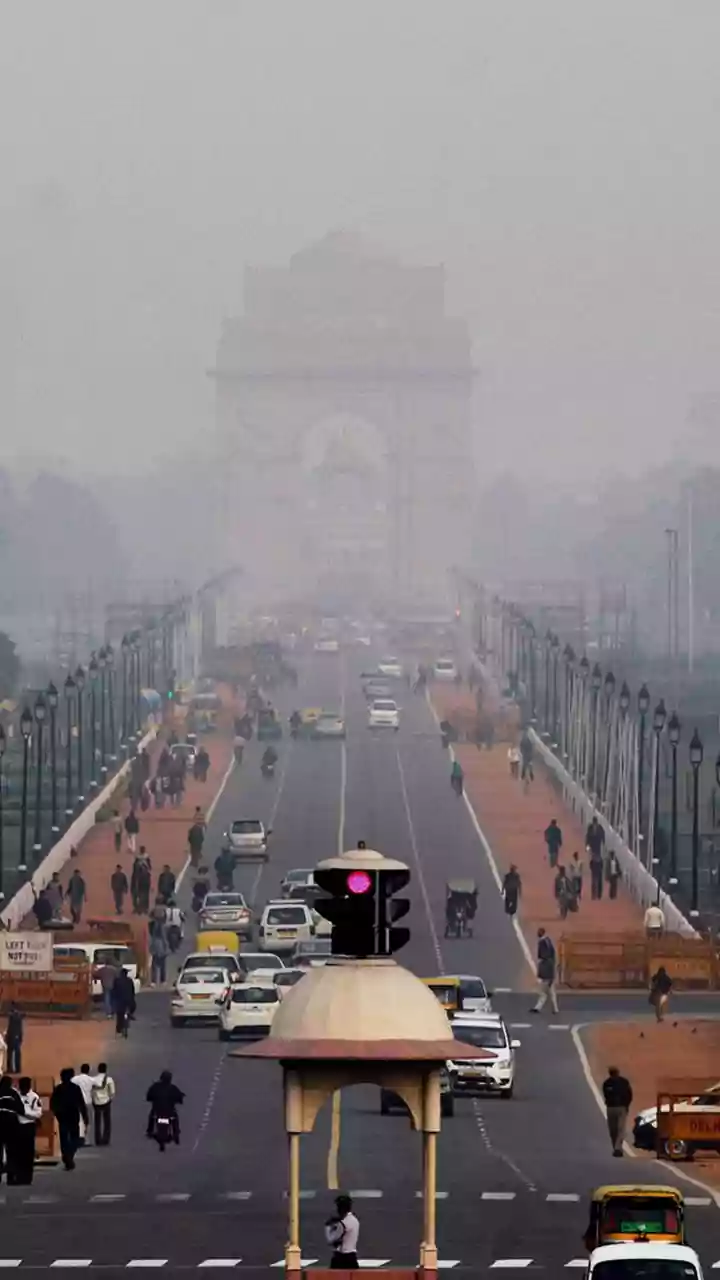
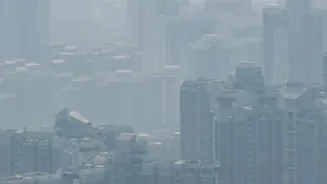


As temperatures dip, a familiar haze begins to settle over many Indian cities. Winter air quality is a serious health concern, but technology can help you stay informed and make safer choices for you and your family.
Understanding the Air Quality Index (AQI)
Before diving into the apps, it's crucial
to understand what you're tracking. The Air Quality Index, or AQI, is a standardized scale used to communicate how polluted the air is. It typically runs from 0 to 500, with higher numbers indicating greater levels of pollution and more significant health risks. The index measures several key pollutants, including particulate matter (PM2.5 and PM10), ozone, and nitrogen dioxide. Indian authorities use a colour-coded system to make it easy to understand the risk at a glance: Green (Good), Yellow (Moderate), Orange (Unhealthy for Sensitive Groups), Red (Unhealthy), and Purple/Maroon (Very Unhealthy to Severe). Knowing your local AQI can help you decide when it's safe for outdoor activities or if you need to take precautions like wearing a mask.
SAMEER: The Official Source
Developed by the Central Pollution Control Bureau (CPCB), the SAMEER app is the Indian government's official tool for air quality information. Its biggest advantage is data reliability, as it pulls hourly updates directly from the national network of air quality monitors. The app provides a detailed breakdown of pollutants and allows users to check the AQI for over 100 cities across the country. A unique and powerful feature is the ability for the public to register complaints about air pollution violations, such as garbage burning or construction dust, complete with pictures. While its interface is more functional than flashy, SAMEER is an essential baseline for getting accurate, government-validated data.
SAFAR-Air: The Scientific Forecaster
The System of Air Quality and Weather Forecasting and Research (SAFAR) is an initiative by the Ministry of Earth Sciences. The SAFAR-Air app provides city-specific air quality data and, crucially, offers forecasts for up to three days in advance. This forecasting ability allows users to plan their activities around expected pollution spikes. The app was developed by the Indian Institute of Tropical Meteorology (IITM) and provides data for major metros like Delhi, Mumbai, Pune, and Ahmedabad, breaking down information for specific zones within those cities. It also offers health advisories based on the predicted AQI, making it a valuable tool for proactive health management during poor air quality spells.
IQAir AirVisual: The Global Competitor
For those seeking a more feature_rich experience with a global perspective, IQAir AirVisual is a top international contender with excellent coverage in India. The app combines data from government monitoring stations, its own network of sensors, and satellite data to provide highly accurate real_time readings and seven_day forecasts. Its standout features include a 3D world pollution map, pollutant_specific breakdowns, and health recommendations. Many users appreciate its clean, ad_free interface and the ability to compare air quality across 500,000 locations worldwide. It's a powerful tool for anyone who wants deep data insights, historical trends, and a polished user experience.
Other Noteworthy Options
Beyond the main players, a few other apps offer unique features. BreeZo is an Indian_developed app known for its street_level pollution mapping and regional language support. Plume Labs, now part of AccuWeather, is praised for its clean design and health_centric guidance, offering recommendations for outdoor activities based on air quality. Finally, for those who prefer an all_in_one solution, apps like AccuWeather often integrate AQI data directly into their weather forecasts, providing a convenient at_a_glance overview without needing a separate app.