
The Numbers: A Clear Upward Trend
Recent data paints a clear picture of a resilient Mumbai property market. In August 2026, the city recorded 12,503 property registrations, an 11% increase from August of the previous year. This wasn't a one-off event; for the first eight months of 2026, registrations were
up by 6.8% compared to the same period in 2025. This activity has also boosted state revenue, with stamp duty collections rising 12% year-on-year in August to ₹1,123 crore. This sustained momentum, the highest for August in over a decade, suggests that despite high property prices, demand for homes in the city remains robust.
What's Fuelling the Surge?
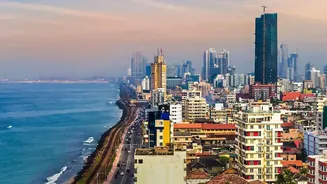
Several factors are driving this consistent demand. A key driver is the significant upgrade in the city's infrastructure. The expansion of the Metro network, along with major road projects like the Coastal Road and the Mumbai Trans Harbour Link, is improving connectivity and making previously overlooked areas more attractive. This has a psychological effect, making neighbourhoods feel closer and more livable. Furthermore, the market is being driven by end-users—people buying homes to live in—rather than speculators. These buyers are focused on long-term value, functionality, and lifestyle improvements. The boom in redevelopment is also crucial, offering new housing inventory in established, well-connected locations and appealing to buyers who want modern amenities without moving to the city's periphery.
The Case for Buying Now
For those with stable finances and a long-term plan, 2026 presents a compelling window. The current demand is led by genuine homebuyers, which creates a more stable and less speculative market. This stability, combined with steady buyer confidence, suggests that waiting for a major price correction across the board might be a futile exercise, as structural factors like limited land availability support property values. The festive season, which typically runs from August to December, is traditionally when developers offer their most attractive discounts and schemes, from stamp duty waivers to flexible payment plans. For end-users, buying in a redevelopment project can provide access to a new home in a prime area with existing social infrastructure, a major advantage over peripheral locations.
A Reality Check: Reasons for Caution
However, enthusiasm should be tempered with caution. Mumbai remains one of India's most expensive real estate markets, and affordability is a significant challenge. Average property prices have seen a year-on-year increase, and while the growth rate may have moderated, prices continue to firm up. The decision to buy should not be based on market momentum alone. High prices mean high down payments and larger home loans. Buyers must honestly assess their financial stability, ensuring that the EMI is comfortably manageable within their budget. It's also critical to look beyond the city-wide trends. The Mumbai Metropolitan Region (MMR) is not a single market; prices and growth prospects vary dramatically from one micro-market to another, such as between premium South Mumbai and more affordable corridors like Kalyan-Dombivli.
So, Is It a Good Idea for You?
Ultimately, the answer depends on your personal circumstances. The rise in registrations confirms strong market sentiment, but it isn't a universal green light. For first-time homebuyers with a stable income and a long-term view, this could be a good time to enter the market, especially if they find a property that fits their needs and budget. For investors, the focus should be on areas poised for future growth, particularly those benefiting from new infrastructure projects. For those looking to upgrade, redevelopment projects offer a chance to move into a modern home in a familiar locality. The key is to move beyond the headlines and focus on your individual financial health, long-term goals, and the specific value offered by the property you are considering.