

Solving the Light Equation First
Cranberries are sun-loving plants. Outdoors, they thrive in full sun, and to replicate that indoors is the biggest challenge you will face. For any chance at producing fruit, your plant needs at least six to eight hours of direct, bright light every day.
A south-facing window is a good starting point, but for most homes in India, it won't be enough. The most reliable solution is to invest in strong, full-spectrum LED grow lights. Position the lights close to the plant to ensure the foliage receives intense illumination, and run them on a timer for a consistent daily cycle. Without this dedicated light source, your cranberry plant may survive, but it is unlikely to ever flower or produce berries.
Choose a Container-Friendly Variety
Not all cranberry plants are suited for pots. Commercial varieties are often vigorous runners, but several compact or trailing types are ideal for containers. Look for cultivars like 'Pilgrim', which has a cascading habit perfect for hanging baskets, or 'Stevens', a hardy, disease-resistant shrub that performs well in pots. Other good options include 'Redstar' and 'Early Black'. Starting with a small plant or a rooted cutting from a nursery is much easier and faster than growing from seed, which can take several years to fruit.
Mastering the Acidic Soil
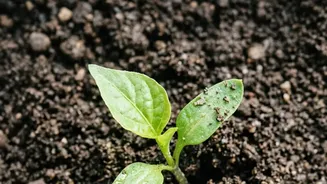
Cranberries are part of the Ericaceae family, like blueberries, and are extremely particular about their soil. They require a very acidic, bog-like environment with a pH between 4.0 and 5.5. Standard potting soil is not suitable and will prevent the plant from absorbing nutrients. You must use an ericaceous compost mix. A great DIY blend consists of three parts peat moss to one part sand, which provides the necessary acidity and drainage. You can also add pine bark to help with structure. Always use a pot with excellent drainage holes, as cranberries need moisture but will not tolerate stagnant, waterlogged roots.
Watering and Simulating Dormancy
Keep the soil consistently moist but never soggy. Self-watering pots can be an excellent tool for maintaining steady moisture without overdoing it. Crucially, use rainwater whenever possible, as tap water is often too alkaline and can raise the soil's pH over time. To produce fruit, cranberry plants also need a winter chilling period. They require a significant number of hours—around 1,500—with temperatures below 7°C to trigger budding and flowering in the spring. For an indoor plant, this means you'll need to induce dormancy by moving the pot to a cold but protected location, like an unheated garage, shed, or a consistently cool balcony, from December to February.
Pollination and a Patient Harvest
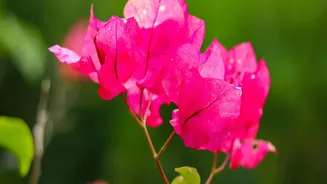
Outdoors, bees and wind take care of pollinating the small, pinkish cranberry flowers. Indoors, you will have to play the role of the bee. Once the flowers open, you can gently shake the plant daily to help distribute pollen. For a more thorough job, use a small, soft paintbrush or a cotton swab to transfer pollen from one flower's stamen to another's stigma. Do this every couple of days while the plant is in bloom. Be patient; it typically takes two to three years for a new plant to establish itself and begin producing a meaningful harvest. Berries will form over the summer and ripen to a deep red in the autumn, ready to be picked before the first hard frost.