







What is the PJ.2.1 Variant?
PJ.2.1 is a new lineage of the SARS-CoV-2 virus, the cause of COVID-19. It was first detected in Ontario, Canada, on May 2, 2026. Scientists describe it as a 'saltation variant', which means it emerged with a large number of genetic changes at once, rather
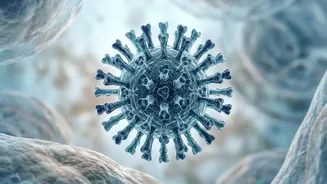
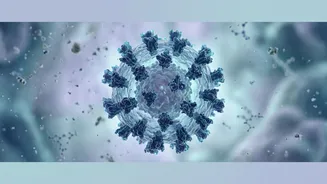
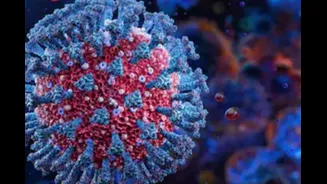
than accumulating them slowly over time. This variant is a descendant of the JN.1 lineage, which was a dominant strain in previous years. The main point of scientific interest is its highly mutated spike protein, the part of the virus that allows it to enter human cells. These extensive mutations are what prompted close monitoring by health organisations worldwide.
Where Has It Spread?
Since its initial discovery in Canada, PJ.2.1 has demonstrated a rapid intercontinental spread. After appearing in several Canadian provinces, it was detected in the United States, with the first case reported in New York City at the end of June 2026. Since then, it has been identified in multiple other US states. Beyond North America, the variant has been confirmed in countries across Europe, Asia, and Oceania, including Spain, France, Israel, Singapore, Australia, and New Zealand. The World Health Organization (WHO) is closely monitoring this growing geographical spread.
Is It More Severe or Contagious?
Currently, there is no clinical evidence to suggest that PJ.2.1 causes more severe disease, higher rates of hospitalisation, or more deaths than other recently circulating variants. Doctors and infectious disease specialists have stated there is no reason for unnecessary alarm at this stage. However, preliminary lab research suggests the variant may have a growth advantage. Studies published in the 'Journal of Infection' indicate that PJ.2.1's spike protein binds more effectively to the ACE2 receptor, the entry point into human cells. While this stronger binding could potentially contribute to faster spread, it does not automatically mean it will cause more serious illness in people.
What Are the Symptoms?
The World Health Organization has warned that the symptoms associated with PJ.2.1 are not unique and can resemble the common cold or influenza. There is no distinct symptom profile linked specifically to this variant. Reported symptoms are consistent with other forms of COVID-19 and include fever, cough, sore throat, body aches, headache, and fatigue. Some individuals may also experience digestive issues or a change in their sense of taste or smell. Because of this overlap with other common respiratory illnesses, the WHO has stressed that diagnostic testing is the only reliable way to confirm a COVID-19 infection.
What This Means for India
While there have been no confirmed reports of PJ.2.1 in India to date, the variant's global spread underscores the need for continued vigilance. Health experts in India have emphasised the importance of strengthening the country's genomic surveillance network, INSACOG, to monitor for new variants and track their circulation. Dr Jatin Ahuja, a consultant at Indraprastha Apollo Hospital in Delhi, noted that the emergence of a new variant does not automatically signal a change in the overall COVID-19 situation but that monitoring infection patterns and hospitalisations is crucial. The advice for the public remains consistent: stay aware of symptoms, consider testing if signs of infection develop, and follow guidance from public health authorities. Experts reinforce that vaccination remains a key measure in reducing the risk of severe disease from all variants.