


The Ultimate 'Vegetable Meat'
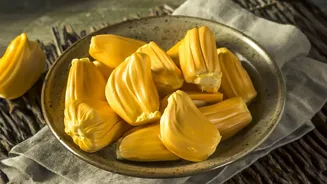
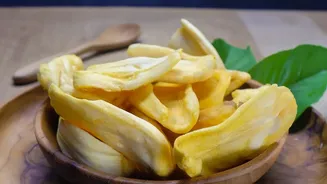
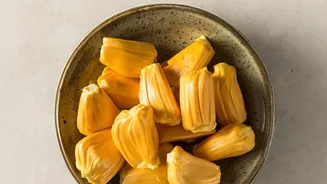
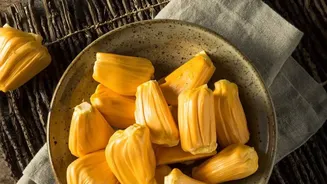
Parsi cooking is famously meat-centric, with dishes like Dhansak and Sali Boti at its heart. For a vegetable to hold its own on a Parsi dastarkhwan (dining table), it needs to be special. Enter raw jackfruit. Often called 'vegetable meat', unripe jackfruit possesses
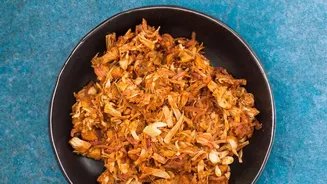
a firm, fibrous quality that, when cooked correctly, becomes wonderfully tender and stringy, much like slow-cooked lamb or mutton. This textural mimicry is no accident; it is the very reason kathal is so prized. Unlike many vegetables that turn mushy, jackfruit holds its structure, absorbing the flavours of the surrounding gravy while offering a satisfying, substantial bite that can genuinely rival its non-vegetarian counterparts. This makes it more than just a substitute; it’s a culinary marvel in its own right, celebrated for its ability to provide a hearty, meat-like experience in a purely vegetarian form.
The Secret to Perfect Texture
Achieving the perfect texture in a kathal curry is a two-step art form. The first challenge is preparation. Raw jackfruit releases a very sticky sap, so it's wise to oil your hands and knife before you begin cutting. Once cut into chunks, the jackfruit must be pre-cooked. This is typically done by boiling or pressure cooking the pieces until they are tender but still firm—never to the point of being mushy. The second, crucial step is to fry these boiled pieces in ghee or oil until they develop a light golden-brown crust. This frying process is essential; it creates a flavourful exterior that helps the jackfruit pieces maintain their shape and prevents them from disintegrating in the gravy. This dual process ensures each piece has a firm bite on the outside while remaining succulent and shreddable on the inside, which is the hallmark of a well-made Parsi kathal dish.
More Than Texture: The Parsi Masala
While texture is the foundation, the soul of the dish comes from the complex Parsi masala. Parsi cuisine is known for its delicate balance of sweet, sour, and spicy ('khatu-mithu-teekhu'). A traditional kathal recipe features a rich gravy built on a base of fried onions, ginger-garlic paste, and a blend of aromatic whole spices like cinnamon, cloves, and cardamom. Yoghurt is often used to provide a creamy, tangy base, while a paste of nuts like chironji or cashews adds richness and body. The spice profile might also include a signature Parsi Sambhar Masala, a distinct blend that is more piquant than sweet and different from its South Indian namesake. This fragrant, deeply flavourful gravy is the perfect partner for the neutral jackfruit, which acts as a sponge, soaking up all the robust flavours.
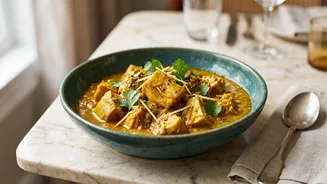
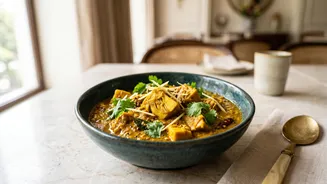
Parsi Club Kathal Korma Recipe
This recipe, adapted from traditional Parsi club cookbooks, celebrates the rich, korma-style preparation of jackfruit. Ingredients: 500-600g raw jackfruit, peeled and cut into 2-inch pieces 2 medium onions, finely chopped 1 large onion, thinly sliced for frying 1 tbsp ginger-garlic paste 1 cup thick curd (yoghurt), beaten 2 tbsp cashew or chironji paste Spices: 1 tsp red chilli powder, 1/2 tsp turmeric powder Whole Spices: 2-3 cloves, 2-3 green cardamoms, 1-inch cinnamon stick Salt to taste 3-4 tbsp ghee or oil Fresh coriander for garnish Method: 1. First, par-boil the jackfruit pieces in salted water for 10-15 minutes until just tender. Drain and set aside. 2. Heat 2 tbsp of ghee in a pan and fry the boiled jackfruit pieces until they are golden brown on all sides. Remove and keep aside. 3. In the same pan, add the remaining ghee and temper with the whole spices (cloves, cardamom, cinnamon). Once fragrant, add the chopped onions and sauté until golden brown. 4. Add the ginger-garlic paste and cook for another minute. Stir in the red chilli powder, turmeric powder, and salt. 5. Lower the heat and add the beaten curd and cashew paste, stirring continuously to prevent splitting. Cook until the oil begins to separate from the masala. 6. Add the fried jackfruit pieces back to the pan, along with about 1 cup of water. Stir gently, cover, and let it simmer on low heat for 15-20 minutes, allowing the jackfruit to absorb the flavours. 7. Garnish with fried onion slices and fresh coriander. Serve hot with fresh rotis or plain steamed rice.