

The Robotic Advantage: Simplicity and Cost
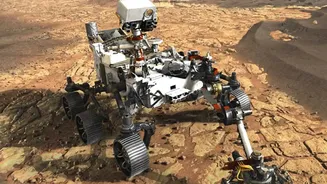
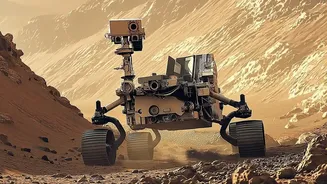
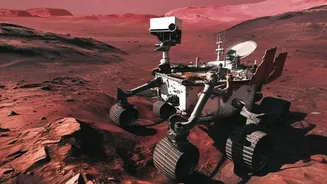
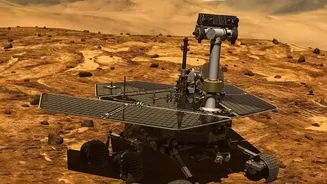
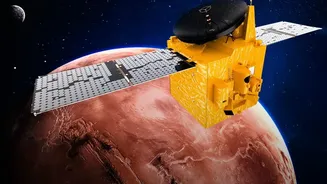
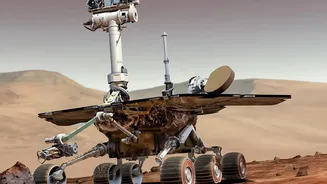
Sending a robot to Mars is an immense feat of engineering, but it is straightforward compared to sending a person. A rover like Perseverance needs power, which it gets from a radioisotope power system, and a way to communicate with Earth. It doesn't need to eat,
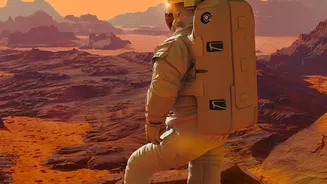
drink, or breathe. Human missions, by contrast, are exponentially more expensive and complex precisely because of the fragile human body. A single human mission could cost as much as 100 robotic ones, largely due to the massive weight and complexity of life-support systems required for the multi-year journey.
The Breath of Life: Generating Oxygen
Humans need a constant supply of breathable air. A round-trip Mars mission for a small crew could last nearly three years. Carrying all the necessary oxygen is not feasible. The solution is to make it on Mars, a process called In-Situ Resource Utilization (ISRU). NASA's Perseverance rover successfully tested this with its MOXIE instrument, which extracts oxygen from the carbon dioxide-rich Martian atmosphere. MOXIE proved the concept by producing small amounts of pure oxygen, but a system for a human crew would need to be about 200 times larger, operating continuously to supply both breathable air and oxidizer for the rocket fuel needed to return home.
Water: The Ultimate Recyclable
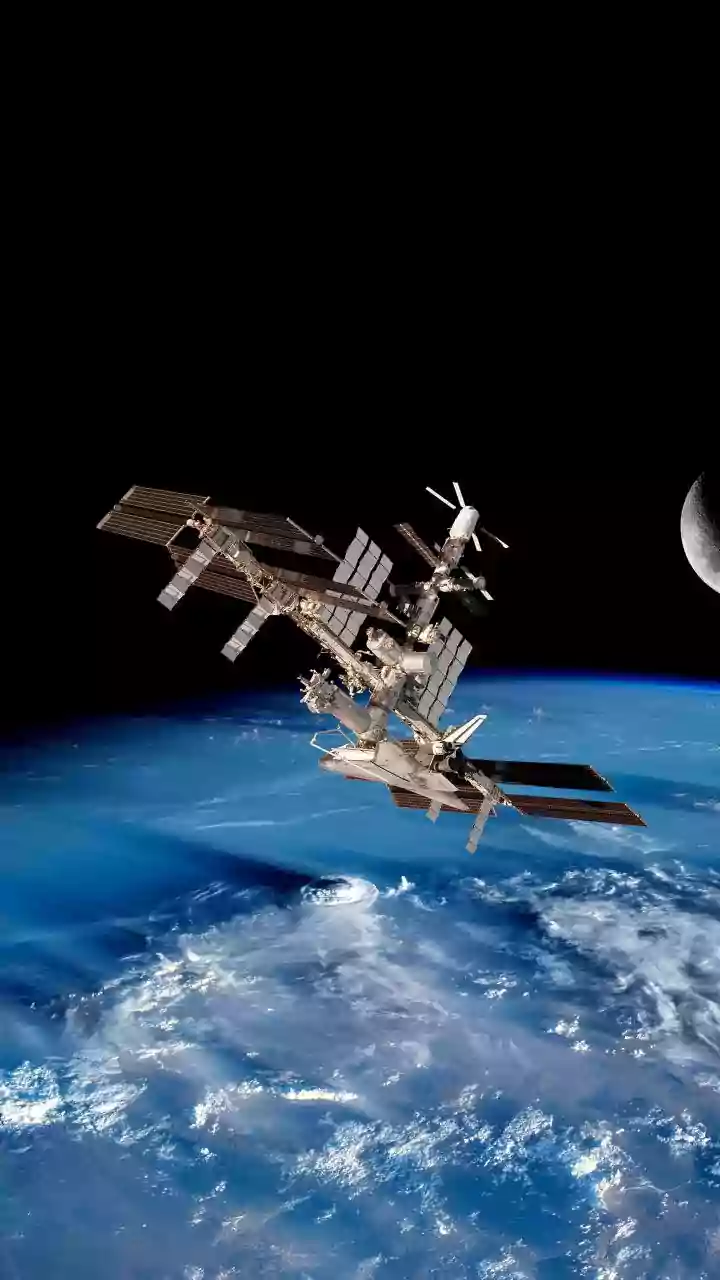
A crew of six could require tens of thousands of kilograms of water for a 500-day stay on Mars. Like oxygen, carrying it all is impractical. The answer lies in extreme recycling. On the International Space Station (ISS), the Environmental Control and Life Support System (ECLSS) already recycles about 98% of all water from sources like astronaut breath, sweat, and urine. A Mars mission would need a similarly robust, closed-loop system that is flawlessly reliable for years without resupply, as a serious failure would be catastrophic millions of miles from Earth.
The Martian Menu: Food for Body and Soul
Astronauts on a long-duration mission can't rely solely on pre-packaged, freeze-dried meals. While necessary, these foods lose nutritional value and can lead to 'menu fatigue'. For a Mars mission, a sustainable food system is crucial. This will likely involve growing fresh produce, such as vegetables and fruits, in specialized habitats. These bioregenerative systems, often called Controlled Ecological Life Support Systems (CELSS), would not only provide vital nutrients but also offer psychological benefits, as the act of cultivating plants can be a powerful comfort in an isolated environment.
Shielding From Cosmic Dangers
Beyond Earth's protective magnetic field, astronauts are exposed to dangerous levels of space radiation from solar flares and galactic cosmic rays. This exposure increases the lifetime risk of cancer and other health issues. Shielding is essential but complicated. Thick, heavy shielding is impractical on a spacecraft, and some high-energy particles can create secondary radiation when they hit shielding material. Solutions being explored include using on-board resources like water as a shield, developing advanced lightweight materials, creating 'storm shelters' for solar events, and potentially even using magnetic fields to deflect particles.
The Mind's Frontier: Psychological Well-being
A mission to Mars will be the most isolated endeavor in human history. Astronauts will be confined in a small space for years, with communication delays of up to 24 minutes each way, making real-time conversation with Earth impossible. This poses significant psychological risks, including stress, depression, and interpersonal conflict. To counter this, space agencies are developing robust support systems that include pre-mission resilience training, virtual reality for relaxation, and even AI-driven therapy programs to provide on-demand support without relying on a connection to mission control.