






The Rise of the Regional Creator
India's internet user base has exploded, with a significant portion of new users coming from Tier 2 and Tier 3 cities and rural areas. This has fueled a massive wave of regional content creators who build highly engaged communities by telling stories
in vernacular languages. However, reaching a pan-Indian or global audience has traditionally been a major hurdle. Creating different versions of a video for Hindi, Tamil, Bengali, or English-speaking viewers required significant time, resources, and technical skill—luxuries many independent creators in remote areas simply don't have. The process was manual, expensive, and slow, effectively limiting the reach and earning potential of immense talent.
From Hours to Minutes: AI-Powered Transcription
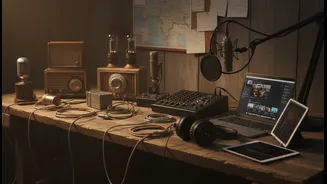
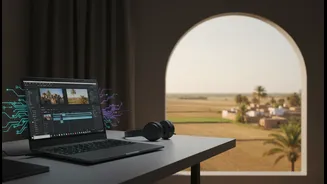
One of the most tedious parts of video editing, especially for multi-lingual content, is creating subtitles. Manually typing out everything said in a video is a painstaking process. Today, AI-powered editing software can automatically transcribe audio into text with remarkable accuracy. Tools like Descript and Adobe Premiere Pro can generate a full transcript in minutes. This transcript becomes the backbone of the editing process. Instead of scrubbing through timelines, creators can edit the video by simply editing the text document—deleting a sentence in the transcript removes that clip from the video. This text-based editing approach is far more intuitive and dramatically speeds up the workflow.
Breaking the Language Barrier with One Click
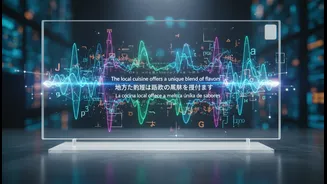
Once a transcript is generated, the real magic begins. Modern video editors now integrate powerful AI translation features. With a single click, a creator who recorded a video in Marathi can generate accurate subtitles in dozens of other languages, from Hindi and Kannada to English and Spanish. Platforms like CapCut and Adobe Firefly offer robust, built-in translation and captioning tools that make content instantly accessible to a global audience. This removes one of the biggest barriers to growth, allowing a creator's message to travel far beyond their local linguistic region.
The Future is Now: AI Voice Dubbing
While subtitles are powerful, AI is taking it a step further with automated voice dubbing. Advanced tools can now translate the audio track into a different language using a synthetic voice that mimics the original creator's tone and emotion. Some platforms are even developing AI lip-sync technology that adjusts the speaker's mouth movements to match the newly dubbed audio, creating a seamless viewing experience. Platforms are rolling out support for multiple Indian languages, allowing creators to upload a single video file that viewers can then watch in their preferred language. This technology, once the domain of big-budget film studios, is now becoming accessible to individual creators, completely changing the economics of content localization.
More Than Just Tools: A Gateway to Opportunity
For rural video creators, these multi-lingual features are more than just a convenience; they are a gateway to a larger world. By automating complex editing tasks, they free up creators to focus on what they do best: storytelling. The ability to effortlessly reach diverse audiences levels the playing field, allowing talent to thrive regardless of geographical location or available resources. As these AI tools become more sophisticated and integrated into popular, often free or low-cost editing apps, they are democratizing the creator economy and ensuring that the most compelling stories, no matter where they come from, can find an audience.