





The Legend of the NASA Clean Air Study
The idea that indoor plants can purify the air took root in 1989 with a landmark study from NASA. Researchers were looking for ways to clean the air in sealed environments like space stations. They placed various common houseplants in small, sealed plexiglass
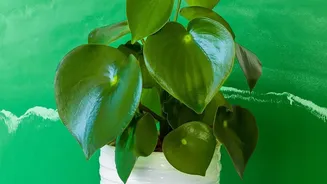
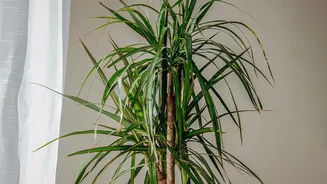
chambers and injected volatile organic compounds (VOCs) like benzene and formaldehyde. The results were promising: the plants, along with the microorganisms in their soil, were effective at removing these pollutants from the sealed chambers. The study identified several plants, including the snake plant, peace lily, and spider plant, as being particularly good at absorbing these airborne toxins. This exciting news quickly spread, becoming a foundational belief for plant enthusiasts and wellness advocates everywhere.
A Reality Check From Modern Science
The problem, as more recent research has pointed out, is that our homes and offices are nothing like a sealed NASA chamber. A 2019 meta-analysis reviewed decades of this type of research and came to a sobering conclusion. Researchers Michael Waring and Bryan Cummings found that in a normal room with natural ventilation from open windows or an HVAC system, the effect of plants on air quality is practically negligible. The rate of air exchange in a typical building is simply too high, diluting pollutants much faster than a few potted plants can absorb them. The original NASA study was scientifically valid for its specific conditions, but its findings have been widely misinterpreted when applied to real-world living spaces.
The Question of Scale
To truly replicate the air-purifying effects seen in lab studies, the number of plants required is staggering. According to one analysis, you would need anywhere from 10 to 1,000 plants per square meter of floor space to compete with a building’s standard air exchange rate. For an average 1,500-square-foot home, that could mean having around 680 plants to make a significant impact. While some studies suggest a more modest number, like 10 plants in a small room, can have some effect, the consensus among many environmental engineers is that you would essentially need to live in a dense jungle to achieve significant air purification from plants alone. For most people, this is simply impractical.
The Undeniable Benefits of Plants
This doesn't mean you should give up on your green friends. While they may not be the air-purifying powerhouses we once thought, the benefits of having indoor plants are numerous and well-documented. Studies have shown that interacting with indoor plants can reduce psychological and physiological stress. They can boost mood, increase focus and productivity, and even support pain management. Plants also add beauty and a connection to nature in our indoor environments. They regulate humidity through transpiration, which can help alleviate issues like dry skin and respiratory irritation, especially in heated or air-conditioned spaces. The value of plants for our mental well-being and overall sense of happiness is undeniable.
Truly Effective Ways to Clean Indoor Air
If you are genuinely concerned about indoor air quality, there are far more effective strategies than relying on plants. The most important step is source control: reducing the number of pollutants you bring into your home in the first place. This can involve choosing low-VOC paints, furniture, and cleaning products. The second key strategy is ventilation. Regularly opening windows to allow fresh air to circulate is one of the most effective ways to dilute indoor pollutants. For a more robust solution, using a high-quality air purifier with a HEPA filter can capture a wide range of airborne particles and contaminants, doing the heavy lifting that we once hoped our plants could do.