


A Puzzling Overlap
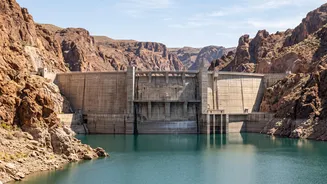
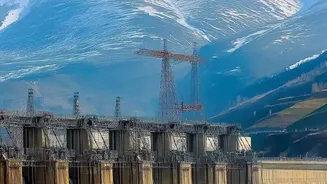
For years, experts have been intrigued by Iran's aggressive construction of dams and water transfer projects, with at least 533 dams tracked across the country. While many serve clear civilian purposes in a nation often facing water scarcity, the rationale
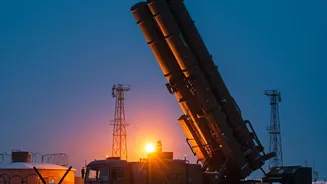
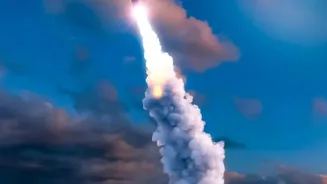
for others has been less obvious. Now, a new hypothesis is gaining traction among analysts: that this extensive water infrastructure may have been developed, in part, to support a covert military buildup. The theory emerged after analysts noticed that the locations of US and Israeli airstrikes on suspected missile sites this year formed a pattern that closely mirrored the map of Iran's dams. This has led to speculation that the dams could be providing a steady supply of water and power to Iran's so-called 'missile cities'—sprawling, fortified underground military complexes.
Strategic Military Advantage
The logic, according to military and water experts, is sound. Placing large, power-hungry military facilities near dams would ensure they have the independent and reliable water and electricity needed for 'operational continuity'. These underground complexes are believed to house facilities for producing, storing, and launching missiles and drones, protected deep within mountains. Some experts estimate Iran has at least 30 such sites. While the link between the water projects and the missile program remains a hypothesis and not a proven fact, the evidence is seen as suggestive. The secrecy surrounding Iran's military programs makes definitive confirmation difficult, but the geographical correlation offers a compelling new lens through which to view the nation's infrastructure development as a potential element of its defense strategy.
Threats to Waterways and Global Trade
This analysis comes amid heightened tensions in the region, particularly around the Strait of Hormuz, a critical chokepoint for global trade. Roughly a quarter of the world's seaborne oil passes through the strait, and disruptions have severe economic consequences. Since conflicts flared earlier this year, Iran and its proxies have been accused of repeatedly targeting commercial vessels with drones, missiles, and mines, significantly reducing traffic through the waterway. The US has responded with naval escorts and strikes on Iranian assets on islands like Qeshm, which lies near the strait. Iran's military doctrine appears to be shifting from a defensive posture to a more offensive one, aiming to control passage through the strait and impose costs on its adversaries by threatening global economic stability.
Economic Ripple Effects
The disruption in the Strait of Hormuz is already causing measurable economic damage worldwide. With shipping traffic dramatically reduced, the cost of oil has surged, with Brent crude briefly surpassing $115 a barrel. These higher energy costs are rippling through global supply chains, affecting everything from plastics and fertilizers to pharmaceuticals and food. The increased costs for fuel, shipping, and and insurance place a heavy burden on the global economy, with developing nations that are dependent on oil imports being hit the hardest. Analysts warn that even a partial closure of the strait could lead to a significant contraction in global economic output, highlighting the world's vulnerability to instability in this single strategic corridor.
A War of Nerves and Words
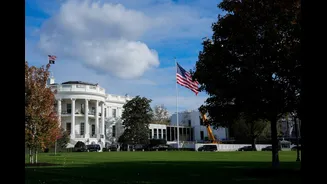
The analysis linking water infrastructure to military sites has also ignited a war of words. In response to the report, Iran's parliamentary speaker warned that Tehran could apply the same 'dual-use' logic to civilian infrastructure—such as dams, ports, and power plants—located near US and Israeli bases. This threat to expand attacks to critical civilian targets marks a serious potential escalation. It reflects Iran's broader strategy of calibrated escalation, designed to increase the political and economic costs for its adversaries without triggering an all-out war. Meanwhile, the US and its allies continue to navigate a difficult path, balancing the need to protect international shipping with the risk of sparking a wider, more devastating conflict.