






The Promise of High-Speed Overnight Travel
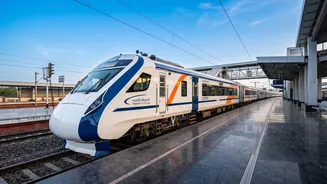
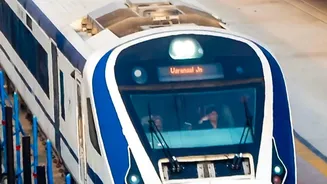
For years, Punekars have looked forward to enhanced connectivity with major hubs like Bengaluru and Delhi. The Vande Bharat sleeper train was heralded as the answer, promising a Rajdhani-style premium experience with significantly reduced travel times.
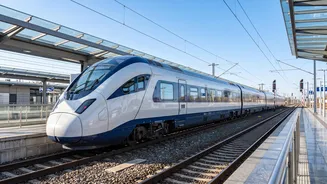
Recent announcements have fueled this excitement, with a potential Mumbai-Bengaluru sleeper service slated to make a crucial stop in Pune. This route could cut the journey to Bengaluru by three to four hours. The proposed service would feature 16 air-conditioned coaches with 823 berths, offering a modern and comfortable overnight travel option that connects two of India’s major economic centres. The anticipation is built on the success of the Vande Bharat chair cars, which have already set a new standard for daytime travel in the country.
Planned vs. Operational: A Key Distinction
While politicians and media reports have floated potential launch dates, railway authorities clarify that these are indicative milestones rather than confirmed schedules. The key distinction lies in the project's status. A service can be 'proposed' or 'planned' for years, but it only becomes a reality after it is officially 'sanctioned' by the Railway Board, which involves allocating rakes, finalising timetables, and completing technical feasibility checks. As of late October 2026, while a trial run for a Mumbai-Bengaluru sleeper was conducted on the Mumbai-Pune section, crucial details like the final timetable, fares, and reservation dates for a service stopping at Pune have not been officially announced by Indian Railways. This gap between a plan and its execution is a common feature of large-scale infrastructure development in the country.
The Ghorpadi Depot: A Crucial Bottleneck
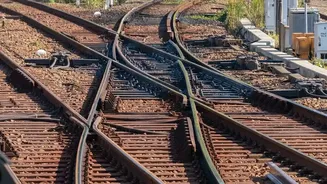
A primary reason for the delay is the lack of adequate maintenance infrastructure. Vande Bharat trains, with their advanced systems, require specialised depots. In Pune, the Ghorpadi coaching and maintenance depot is being upgraded to service these modern rakes. The Central Railway had sanctioned funds for this conversion, which is essential to ensure the smooth, safe, and uninterrupted operation of new services originating from or passing through Pune. However, such upgrades take time. The project involves laying new lines, installing high-voltage power systems, and creating technical inspection units capable of handling the sophisticated trainsets. Until this dedicated facility is fully operational, launching a new Vande Bharat sleeper service with a halt in Pune remains a logistical challenge.
National Production and Timelines
The availability of the sleeper trainsets themselves is another major factor. While the first few prototypes of the Vande Bharat sleeper began rolling out in 2026, the nationwide demand is immense. Indian Railways has contracts with multiple manufacturers, including BEML, Kinet Railway Solutions (an Indo-Russian JV), and a consortium of Titagarh and BHEL, to produce hundreds of these trains. However, production timelines have seen revisions. For instance, one manufacturer's prototype delivery was shifted from June to December 2026. The allocation of these newly produced rakes across the vast Indian rail network is a complex decision made at the national level, based on route readiness, traffic demand, and strategic priorities. Pune's service is part of this larger pipeline and is contingent on the successful and timely scaling of manufacturing.
What's Next for Pune?
The good news is that the pieces are slowly falling into place. The Ghorpadi depot upgrade is underway, a clear sign of Pune's importance in the future Vande Bharat network. Furthermore, the inclusion of Pune as a stop in the proposed Mumbai-Bengaluru route shows that it is firmly in the railway's plans. The service, once launched, would be a game-changer, potentially arriving in Pune from Mumbai around 1:50 am and reaching Bengaluru by mid-afternoon the next day. For now, passengers must wait for an official announcement from Indian Railways confirming the final schedule and opening of reservations. The planned service is very much alive, but it requires patience as the complex machinery of infrastructure upgrades and train manufacturing catches up with the city's aspirations.