
What Is a Humidity Tray?
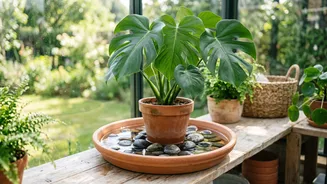
A humidity tray, often called a pebble tray, is a brilliantly simple tool designed to create a moist microclimate around your plant. It consists of a shallow, waterproof tray filled with a layer of pebbles, gravel, or decorative stones. You add water to the
tray, and your potted plant sits on top of the pebbles, elevated above the water level. As the water in the tray evaporates, it increases the moisture in the air directly surrounding the plant's foliage, mimicking a fraction of the humidity found in its native habitat. The key is that the pot itself never sits in the water, which prevents the risk of root rot from soggy soil.
The Real Benefits for Your Plants
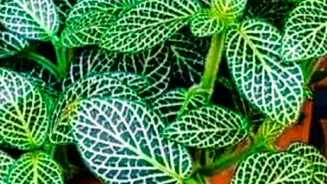
The primary benefit of a humidity tray is preventing the tell-tale signs of distress from dry air, such as browning leaf tips and edges, curling leaves, and slow growth. This is especially crucial for plants that evolved under a dense, humid rainforest canopy, like Calatheas, ferns, Alocasias, and many orchids. These plants are adapted to high moisture levels, and the dry air from indoor heating or air conditioning can be stressful for them. A pebble tray provides a consistent, gentle source of humidity right where it's needed most, without making leaves constantly wet, which can sometimes encourage fungal issues. Grouping several plants together on a larger tray can amplify this effect, as the plants collectively release moisture through transpiration, creating a shared pocket of humidity.
Setting Up Your Tray in Minutes
Creating your own humidity tray is incredibly easy and can be done with items you may already have. First, choose a shallow, waterproof tray or dish that is wider than the base of your plant's pot. An old plant saucer or even a baking dish will work perfectly. Next, fill the tray with a layer of pebbles, decorative stones, or gravel about an inch deep. Pour water into the tray until the level is just below the tops of the pebbles. Finally, place your potted plant directly on top of the pebbles. The most critical step is ensuring the bottom of the pot and its drainage holes are not touching the water. The pebbles serve as a platform to keep the plant elevated and safe from oversaturation.
How Often Should You Refill It?
The 'low-maintenance' claim is largely true, but the frequency of refills depends on your home's environment. In a very dry, heated room during winter, you may need to top up the water every few days as it evaporates more quickly. In more moderate conditions or during summer, a weekly top-up is often sufficient. The goal is to keep a consistent, shallow level of water in the tray. It is not a daily chore, which makes it a far less demanding solution than daily misting, which provides only a fleeting boost of humidity. Simply check the water level when you water your plants and add more as needed.
Smart Maintenance and Pitfalls to Avoid
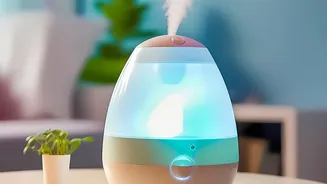
While simple, humidity trays are not entirely 'set it and forget it'. The standing water can become a breeding ground for algae or fungus gnats if neglected. To prevent this, it's good practice to rinse the pebbles and wash the tray with soap and water every few weeks to keep things clean. The biggest mistake to avoid is overfilling the tray. If the pot's base sits in the water, the soil will wick up moisture and stay permanently soggy, leading to root rot—the very thing you want to prevent. Also, remember that a humidity tray only provides a localized effect; it will not raise the humidity of an entire room. For that, a dedicated humidifier is a more powerful solution.