


The Science of the Swing
Indian deserts, like the Thar Desert in Rajasthan, experience a high diurnal temperature range. This means there's a huge difference between the day's highest temperature and the night's lowest. During the day, the sand and dry soil absorb intense solar
radiation, pushing temperatures up. But with little to no cloud cover or humidity to trap that heat, it radiates back into the atmosphere rapidly after sunset. This process can cause temperatures to plummet by as much as 20-25 degrees Celsius, catching many campers by surprise.
From Scorching Sun to Sudden Chill
To plan effectively, you need to know what you're up against. In the peak camping season (October to March), daytime temperatures in deserts like Jaisalmer are often a pleasant 24°C to 30°C. However, summer days can see temperatures soar above 45°C. The real challenge comes at night. Even after a warm day, winter night temperatures can drop to between 7°C and 8°C, and in colder months like December and January, they can fall close to freezing. This drastic change from a hot, sun-drenched afternoon to a cold, clear night is the central challenge of desert camping.
Dressing in Layers: Your Best Defence
The key to comfort is a smart layering system. Instead of one heavy jacket, pack multiple layers that you can add or remove as conditions change. For daytime, lightweight, breathable fabrics like cotton and linen are ideal. Long-sleeved shirts and full-length trousers will protect your skin from the intense sun. As evening approaches, you'll need to add layers. A fleece jacket, a warm shawl, and even thermal wear are essential for staying warm around the campfire and through the night. Don't forget a beanie and warm socks, as a lot of body heat is lost through your head and feet.
Essential Gear for Night-Time Warmth
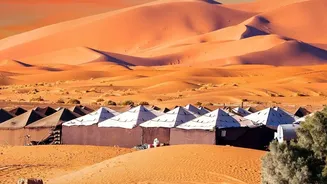
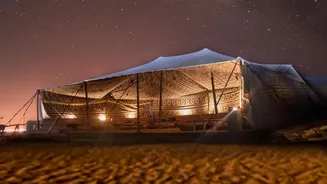
Your clothing is only half the battle; your gear must also be up to the task. A good quality sleeping bag with a suitable temperature rating is non-negotiable. Check the forecast and choose a bag rated for temperatures at least a few degrees colder than the expected low. Many desert camps offer structured or Swiss tents, which provide better insulation against the cold and wind than a simple canvas tent. An insulated sleeping mat placed under your sleeping bag will also provide a crucial barrier against the cold ground, preventing your body heat from seeping away.
Staying Safe and Healthy
The extreme temperatures pose genuine health risks. During the day, heat exhaustion and dehydration are major concerns. Drink plenty of water throughout the day, even if you don't feel thirsty, and use high-SPF sunscreen, a wide-brimmed hat, and sunglasses for protection. At night, the risk shifts to hypothermia if you're not adequately prepared. Pay attention to your body. Shivering, dizziness, or confusion can be signs of both heat stroke and hypothermia, so it's vital to address temperature regulation immediately. Always have access to a first-aid kit and know the symptoms of these conditions.
Timing Your Desert Adventure
Choosing the right time to go can make all the difference. The best season for desert camping in India is during the winter months, from October to March. During this period, the daytime temperatures are manageable and pleasant for activities like camel safaris and dune exploration, while the nights, though cool, are not at their most extreme. The summer months from April to June are intensely hot and should be avoided for camping. The monsoon season (July to September) brings humidity and is not ideal for a classic desert experience.