



The Monsoon Paradox
During the dry pre-monsoon months, India’s skies are often filled with dust and atmospheric haze, which scatters city light and obscures fainter stars. The arrival of the monsoon acts as a country-wide atmospheric cleanser. Rain physically scrubs these
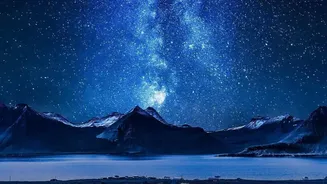
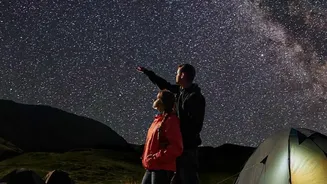
particulates from the air, leading to incredibly transparent conditions in the brief windows between showers. On a clear night immediately following a heavy downpour, the sky’s quality can rival that of high-altitude desert sites. This is the gambler’s prize: the potential for a breathtakingly clear view of the Milky Way, but with the ever-present risk of being completely clouded out. For most of the country, the monsoon season from June to September is considered the worst for astronomy due to persistent cloud cover, but those who watch the weather carefully can be handsomely rewarded.
The Rain Shadow Sanctuaries
For those unwilling to bet on a break in the clouds, the safest destinations are in India's rain shadow regions. Places like Spiti Valley in Himachal Pradesh and Hanle in Ladakh are high-altitude cold deserts that receive minimal monsoon rainfall. Spiti, with villages like Kaza and Langza, offers pristine Bortle 2-class skies, meaning they are among the darkest accessible in Asia. Hanle is the undisputed crown jewel, home to the Indian Astronomical Observatory and the country's first official Dark Sky Reserve. Its extreme altitude (over 14,700 feet) and dry air provide over 250 clear nights a year, making it a reliable haven for astronomers while the rest of the subcontinent is drenched. These locations don’t just offer an escape from the rain; they provide some of the best stargazing conditions on the planet.
Rolling the Dice in the Ghats and Hills
For stargazers in peninsular India, the gamble is more pronounced. Hill stations in the Western Ghats like Malshej Ghat in Maharashtra and Coorg in Karnataka become viable, albeit risky, options. These areas are known for heavy rainfall, but their elevation and distance from major urban centres mean that when the clouds do part, the views are spectacular. The key is patience and timing, often waiting for a break after a fresh spell of rain. In Coorg, the vast coffee plantations help create a natural buffer against light pollution, and many homestays offer open terraces perfect for setting up a telescope. While not as consistently clear as the Himalayan deserts, these southern spots offer a unique experience, blending the lush monsoon landscape with glimpses of the cosmos.
Gearing Up for the Gamble
Attempting to stargaze during the monsoon requires specific preparation. Protecting your equipment from humidity and sudden downpours is paramount. Waterproof bags for telescopes and camera gear are essential, not just for transport but for quick covering in the field. A lens hood or dew shield is critical, as the high humidity can cause optics to fog up rapidly. Astrophotographers should be prepared for a swift pack-up. Using a robust, sturdy tripod is also crucial, as winds can pick up unexpectedly. Beyond equipment, checking detailed, short-range weather forecasts and satellite imagery becomes a vital part of the planning process. Apps that predict cloud cover and rain are an astronomer’s best friend during this season.
Planning for a Monsoon Star Party
A successful monsoon stargazing trip is as much about logistics as it is about astronomy. Always plan your trip around a new moon for the darkest possible skies. In popular weekend spots like Malshej Ghat, visiting on a weekday can mean less tourist traffic and therefore less associated light pollution. Given the weather's unpredictability, it's wise to book flexible accommodation and have backup plans. Road conditions can be hazardous, so travel with caution. Finally, using astronomy apps like Stellarium or SkySafari can help you identify what you're seeing and make the most of any clear patches you get. Even if you only get an hour of clear sky, knowing that the Andromeda Galaxy is visible to your naked eye makes the entire effort worthwhile.