


A Strategic Shift in the Indian Cosmos
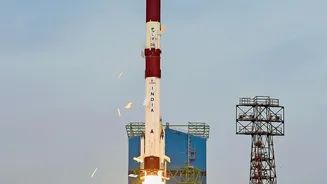
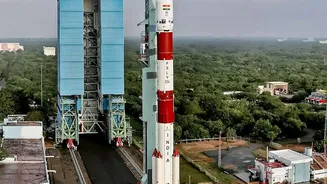
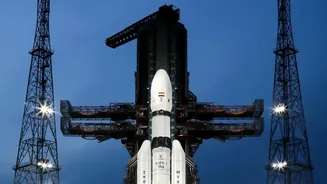
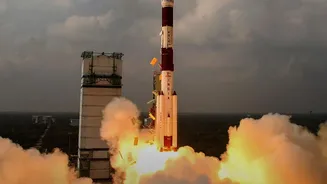
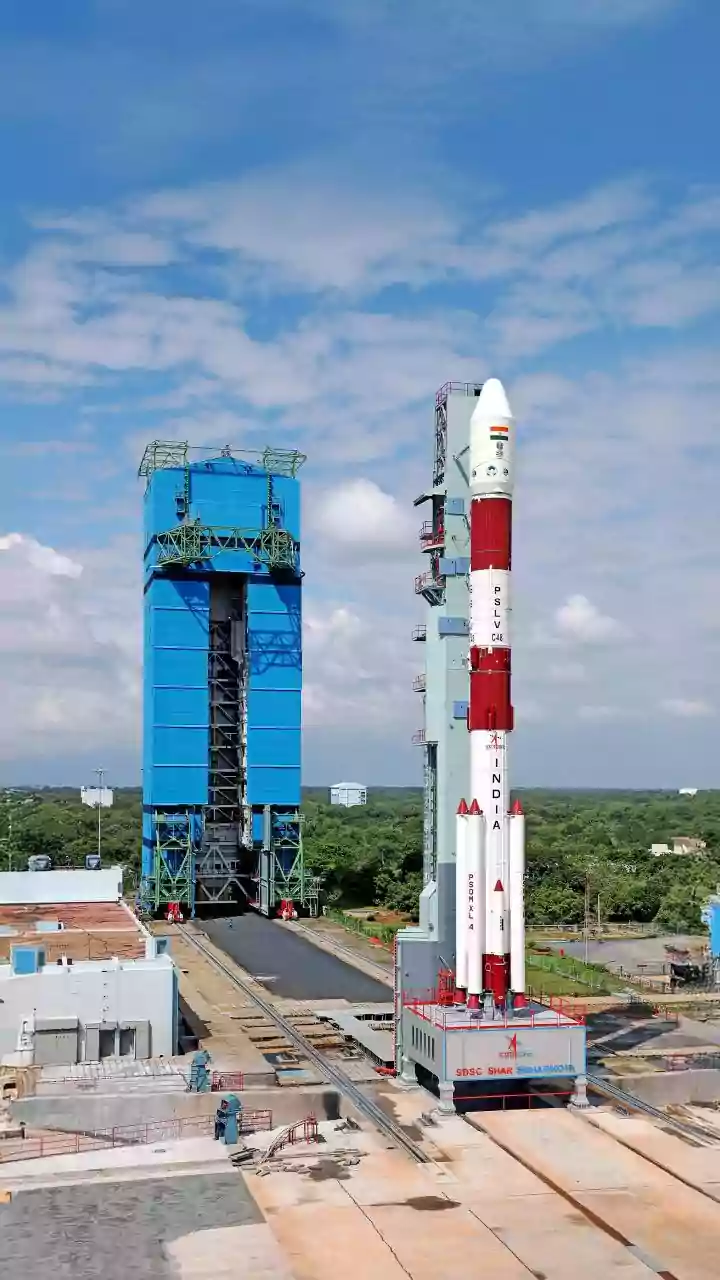
For over half a century, the Indian Space Research Organisation (ISRO) was the beginning and the end of India's space story. It designed, built, and launched the nation's rockets and satellites, earning global respect for its technological prowess and cost-effective
missions. But its role is now undergoing a profound transformation. Rather than being the sole operator, ISRO is evolving into a mentor and enabler for a burgeoning private space industry. This change is not accidental; it is the result of a deliberate policy pivot designed to unlock the commercial potential of space and position India as a major player in the global space economy, which is currently valued at over $360 billion. India's space economy itself, currently valued around $8 billion, is projected to grow to over $40 billion in the next decade.
The Policy That Opened the Sector
The catalyst for this new era was the Indian Space Policy, approved in 2023. This landmark policy framework formally opened the door for Non-Governmental Entities (NGEs) to participate in end-to-end space activities. To facilitate this, the government established the Indian National Space Promotion and Authorisation Centre (IN-SPACe). IN-SPACe acts as a single-window agency, streamlining the complex process of approvals and authorisations. For a startup, this means gaining access to ISRO’s world-class facilities, testing labs, launchpads, and expertise, which were previously off-limits. The policy allows private firms to build and launch their own rockets, own and operate satellite constellations, and even engage in futuristic pursuits like the commercial recovery of asteroid resources.
Meet India's New Space Pioneers
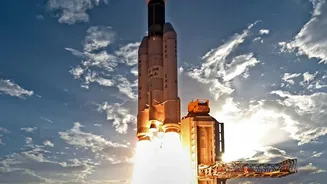
This policy shift has ignited a startup boom, with the number of private space companies growing from just a handful to over 400. These ventures are not just peripheral suppliers; they are building core space technologies. Hyderabad-based Skyroot Aerospace, founded by former ISRO scientists, became the first private Indian company to launch a rocket into orbit with its Vikram-1 vehicle in July 2026. Another key player, Agnikul Cosmos, is pushing the boundaries of innovation with its fully 3D-printed rocket engines and is aiming to demonstrate reusable rocket technology. These companies are developing launch vehicles to serve the burgeoning global small satellite market, offering more frequent and cost-effective launch options.
It's Not Just About Rockets
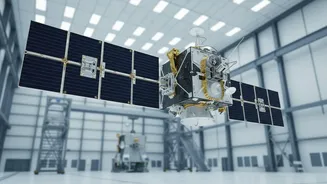
While launch vehicles grab headlines, a significant part of the opportunity lies in the downstream applications of space technology. Bengaluru-based Pixxel, for example, is building a constellation of the world's highest-resolution hyperspectral imaging satellites. This technology provides incredibly detailed data that is invisible to standard satellites, creating valuable insights for sectors like agriculture, mining, and environmental monitoring. The Indian Space Policy facilitates this by ensuring that remote sensing data with a resolution of 5 meters or higher is made freely and openly accessible. This opens up a gold rush for startups to build analytics platforms and services on top of satellite data, helping to solve problems on Earth, from tracking climate change to improving crop yields.
Challenges on the Final Frontier
Despite the immense potential, the path for space startups is not without its challenges. The space industry is notoriously capital-intensive, with long gestation periods before any revenue is generated. While early-stage funding has improved, securing growth and late-stage capital within India remains a hurdle, pushing many startups to seek global investors. Navigating the new regulatory landscape, though simplified, still requires expertise and patience. Furthermore, the global launch market is fiercely competitive, with established players like SpaceX dominating the field. Indian startups must prove they can not only innovate but also launch regularly and reliably to win the trust of international customers.