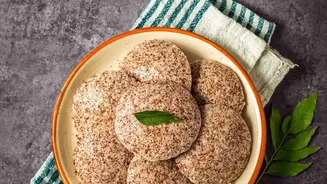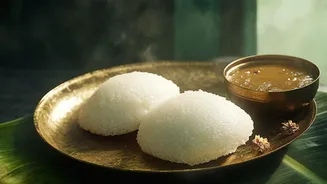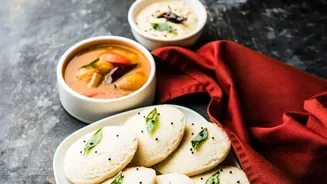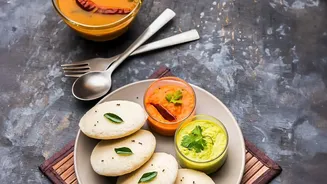




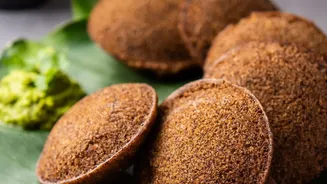
Looking for a healthy twist on a South Indian classic? Foxtail millet idli is a delicious, gluten-free alternative to traditional rice idlis. This ancient grain packs a nutritional punch, making your breakfast both satisfying and incredibly good for you.
Why Choose Foxtail Millet?
Before we dive into the recipe, let's talk about why foxtail millet deserves a place on your plate. Known as 'Thinai' in Tamil and 'Kangni' in Hindi, this tiny grain is a nutritional powerhouse. It's naturally gluten-free, making it an excellent choice for those with sensitivities. One of its biggest advantages is its low glycemic index, which helps in managing blood sugar levels by releasing energy slowly. It is also rich in dietary fibre, promoting good digestion and keeping you feeling full for longer, which can aid in weight management. Furthermore, foxtail millet is packed with essential minerals like iron, calcium, and magnesium, which are vital for strengthening bones and boosting overall immunity. With high protein content and B vitamins, it supports everything from heart health to brain function.
The Perfect Foxtail Millet Idli Recipe
Making these idlis is similar to the traditional process, with a focus on proper soaking and grinding. For this recipe, you will need approximately 1.5 cups of foxtail millet, 0.5 cup of urad dal (split black gram), and half a teaspoon of fenugreek seeds. Some recipes also incorporate a small amount of idli rice or poha (flattened rice) for a softer texture. Start by washing the millet and the urad dal with fenugreek seeds separately. Soak them in ample water in separate bowls for at least 4 to 5 hours. Once soaked, drain the water. Grind the urad dal and fenugreek seeds first, adding water sparingly, until you have a smooth, fluffy batter. Then, grind the soaked millet to a fine, slightly grainy consistency. Combine both batters in a large bowl, add salt to taste, and mix well.
The Art of Fermentation
Fermentation is the magical step that gives idlis their signature sour tang and soft, airy texture. Cover the bowl of batter and leave it in a warm place to ferment for 8 to 10 hours, or overnight. The batter should rise, though it may not double in volume like a traditional rice batter. A well-fermented batter will appear light and bubbly. Be careful not to make the initial batter too watery, as millet batters can thin out during fermentation. If you live in a colder climate, you can place the batter in a preheated (and turned off) oven with the light on to create a warm environment. Proper fermentation is not just for texture; it also enhances the nutritional value of the idlis.
Steaming for Softness
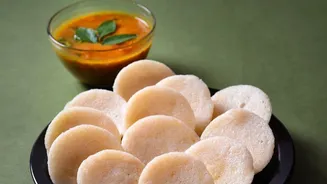
Once your batter is perfectly fermented, it's time to steam. Gently stir the batter. Grease your idli moulds with a little oil and pour the batter into each cavity, filling them about three-quarters full. Place the idli stand into a steamer or a pressure cooker (without the weight) with boiling water at the bottom. Steam the idlis on a medium-high flame for 10 to 15 minutes. To check if they are done, insert a toothpick or a wet knife into the center of an idli; if it comes out clean, they are ready. Let the moulds rest for a couple of minutes before de-moulding. This prevents the idlis from sticking and breaking. Use a wet spoon to gently scoop out the soft, fluffy millet idlis.
Perfect Chutney Pairings
An idli is incomplete without its companion, the chutney. The slightly nutty and earthy flavour of foxtail millet idlis pairs beautifully with a variety of chutneys. A classic coconut chutney is always a winner; you can make a simple version with grated coconut, roasted gram, green chillies, ginger, and a pinch of salt. For something with more of a kick, a spicy tomato-onion chutney, often called red chutney, is an excellent choice. Sautéing tomatoes, onions, garlic, and red chillies before grinding them creates a deep, savoury flavour. Another refreshing option is a mint and coriander chutney. This green chutney offers a vibrant, herby contrast to the mild idlis and can be made by blending fresh mint leaves, coriander, green chillies, and a little tamarind for tang.