



The Ultimate Comfort Ritual
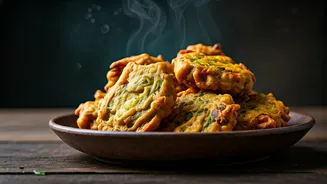
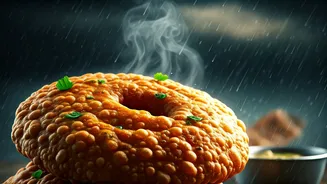
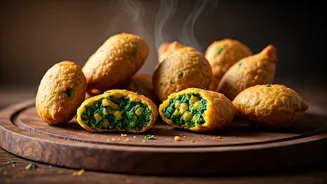
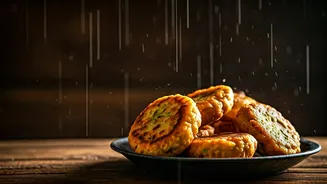
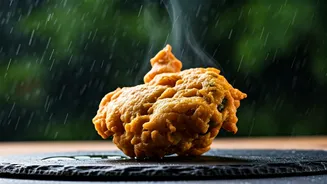
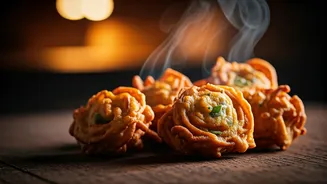
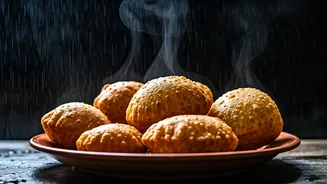
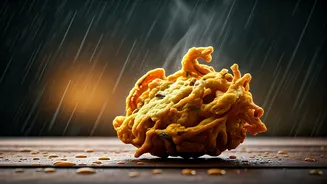
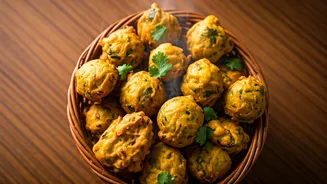
It’s a scene that plays out in millions of homes. The sizzle of batter hitting hot oil becomes the soundtrack to the downpour. The air fills with the savoury aroma of besan, spices, and whatever star ingredient is being dunked—be it thinly sliced potatoes,
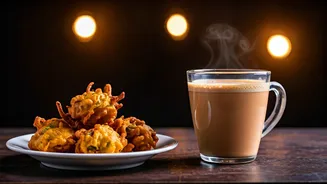
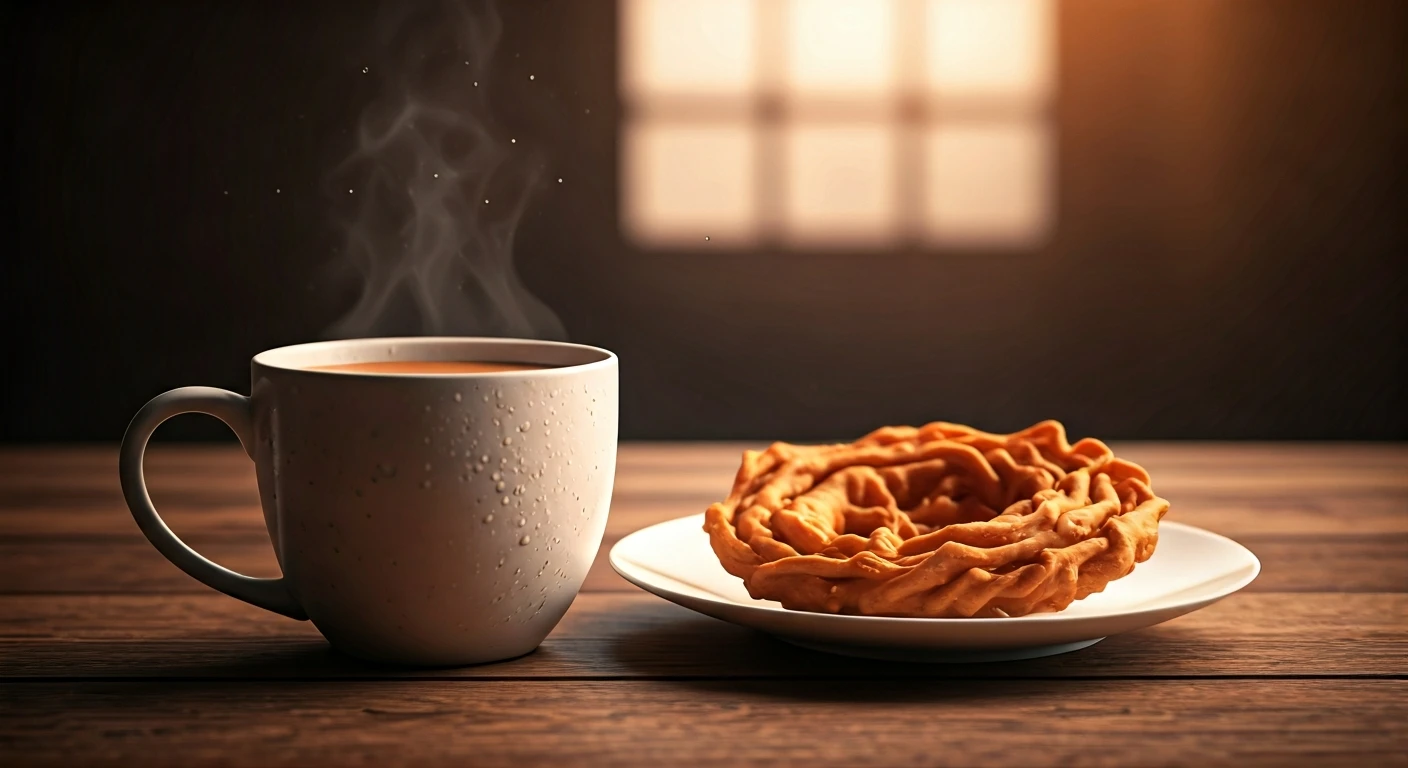
onions, spinach, or paneer. A plate of these hot, crispy fritters, often accompanied by a steaming cup of adrak chai and a tangy chutney, is not just food; it's a sensory experience. The contrast of the crunchy exterior with the soft, steamy inside, the warmth against the cool, damp weather, creates a feeling of pure, unadulterated comfort. This isn’t a meal you plan for. It’s a spontaneous celebration, a ritual prompted by the clouds themselves.
More Than Just a Snack
Why does this simple, deep-fried snack hold such a powerful emotional grip on us? Because the pakora is rarely about just the food. It’s a symbol of togetherness and an excuse to pause. The rain forces us indoors, and the pakoras gather us in the kitchen or around the coffee table. It's a shared experience, bridging generations. It’s the story your grandmother tells as she expertly drops batter into the kadai, the laughter with siblings as you fight for the last piece, the quiet moment of contentment as you watch the rain from your balcony. In a world of scheduled meals and rushed lunches, the pakora is an act of delicious spontaneity, a collective sigh of relief and joy that the heat has broken.
A Bite of History, a Taste of Home
While inextricably linked to the monsoon, fritters have a long and varied history across the subcontinent. From the ‘bhajiyas’ of Maharashtra and the ‘beguni’ (brinjal fritters) of Bengal to the ‘bondas’ of the South, nearly every region has its own beloved version. This pan-Indian appeal speaks to the versatility and accessibility of the dish. It’s peasant food elevated to an art form, requiring nothing more than gram flour, basic spices, and whatever vegetable is at hand. This simplicity is its strength. It’s a taste of home that transcends class and geography, a culinary thread that connects a diverse nation. Each variation tells a story of local produce and regional palates, yet the core feeling it evokes—of warmth and comfort—is universal.
The Science of Craving
There’s also a bit of science behind our monsoon cravings. When the temperature drops and the skies are overcast, our bodies instinctively seek warmth and energy. Fried foods, rich in carbohydrates and fats, provide a quick, satisfying energy boost. The drop in sunlight can also lead to lower levels of serotonin, the “happy hormone.” Comfort foods, especially carb-heavy ones, can help give our mood a temporary lift. So that intense desire for something hot, oily, and salty when it’s pouring outside isn’t just in your head; it’s a physiological response. The pakora is simply the most culturally resonant and delicious answer to this biological call for comfort and calories.
A Classic Reimagined
In an era of global food trends and complex culinary innovations, the humble pakora is not just surviving; it's thriving. It hasn't been relegated to a nostalgic memory. It’s right there on the menus of trendy cafes, sometimes deconstructed or served with an artisanal dip. Home cooks are experimenting with new ingredients—from broccoli and zucchini to chicken and prawns. Air-fryer versions cater to the health-conscious. Yet, despite these modern twists, the classic form remains untouchable. It proves that some things don’t need to be reinvented. The magic isn’t in the novelty; it’s in the consistency of the comfort it provides, year after year, monsoon after monsoon.