



The Alert Unpacked
In early July 2026, the Maharashtra Food and Drug Administration (FDA) issued an urgent warning against three specific cosmetic products: Goree Beauty Cream, Face Fresh Gold (a beauty cream and serum combo), and Golden Star Beauty Cream. Laboratory tests
confirmed these products contained dangerously high levels of toxic heavy metals like mercury and lead, far exceeding permissible limits. The FDA declared them "Not of Standard Quality" and ordered an immediate halt to their sale, purchase, and distribution across all channels, including retailers and e-commerce platforms. The crackdown was reportedly linked to complaints from consumers, including a disturbing cluster of 18 women in Nagpur who developed kidney ailments after prolonged use of some of these creams.
The Poisons in the Jar
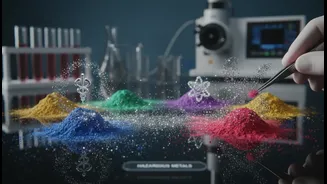
The key culprits found in these creams, mercury and lead, are not casual ingredients. Mercury is sometimes illegally added to skin-lightening products because it works by suppressing melanin production, the pigment that gives skin its colour. This results in a temporary whitening effect, but the cost is severe. Prolonged exposure can lead to mercury poisoning, with devastating effects on the kidneys and nervous system. Lead is another toxic heavy metal that can damage the nervous system, affect kidney function, and cause reproductive harm. Worryingly, the flagged products also lacked basic mandatory information like the manufacturer's name, address, batch number, or expiry date, making them untraceable and highlighting their illegal nature.
A System with Cracks
This incident exposes significant gaps in India's cosmetic regulatory framework. While the Drugs and Cosmetics Act of 1940 prohibits the import or manufacture of cosmetics containing mercury, enforcement remains a major challenge. Many of these dangerous products, some reportedly made in Pakistan, slip into the country and are sold through local markets and increasingly, via unverified online sellers and social media pages. This makes it difficult for regulatory bodies to track and control their circulation. The promise of "instant fairness" fuels a massive market, estimated to be worth billions globally, which unscrupulous sellers exploit by pushing cheap, unregulated, and dangerous concoctions.
How to Protect Yourself as a Consumer
In a market flooded with both genuine and counterfeit products, consumer vigilance is the first line of defence. Always buy cosmetic products from authorised dealers or the brand's official website. Be extremely wary of products that offer miraculous results or are sold at unusually deep discounts, as this can be a red flag. Carefully inspect the packaging for signs of a fake: look for spelling mistakes, poor print quality, or flimsy containers. Crucially, check for mandatory labelling information, including the manufacturer's licence number, a full ingredient list, and the manufacturing and expiry dates. If a product lacks these basic details, do not buy or use it. If you suspect a product is fake or causing adverse effects, stop using it immediately and consider reporting it to your state's FDA.