



For a Fluffy, Separate Foundation
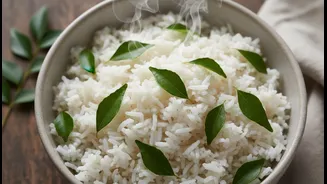
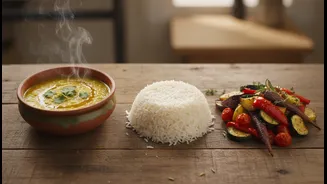
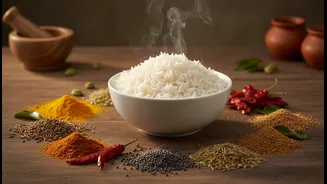
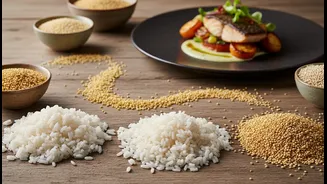
When you need a light, distinct bed for a fragrant curry, a stir-fry, or a simple dal, your goal is fluffiness. Long-grain rice varieties are the undisputed champions here. Basmati, with its aromatic, nutty essence, is a classic choice in Indian cuisine.
Each grain remains separate and delicate when cooked correctly. Similarly, Jasmine rice offers a slightly softer, stickier texture and a floral aroma that pairs beautifully with Southeast Asian flavours. The key to fluffy rice is using the correct water-to-grain ratio and allowing it to steam, covered and off the heat, after the initial cooking time. This lets the grains absorb the remaining moisture evenly without turning mushy.
For a Hearty, Satisfying Chew
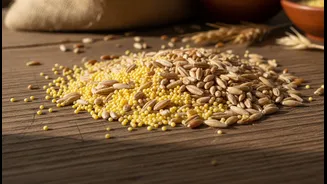
When you want a grain that offers substantial texture and a satisfying bite, look to barley, farro, and wheat berries. These are perfect for robust salads, enriching soups, or serving as a base for roasted vegetables. Barley, available as hulled (whole grain) or pearled (refined), has a pleasantly firm, chewy quality and a mild, nutty taste. Farro, an ancient wheat grain popular in Mediterranean cooking, offers a similar chewiness and a rich, nutty flavour that stands up well to bold dressings and ingredients. Wheat berries are the entire wheat kernel and provide a firm, chewy texture that can be a fulfilling addition to stews and salads. These grains need more cooking time than rice but reward you with a texture that adds wonderful character to any meal.
For a Creamy, Comforting Dish
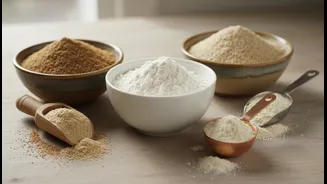
Sometimes, comfort comes in the form of a creamy, spoonable dish. For this, you need grains that release starch as they cook. Oats are a prime example, perfect for a warming breakfast porridge. In Indian households, dalia (cracked wheat) serves a similar purpose, creating a wholesome and easily digestible porridge. For savoury dishes, Italian Arborio rice is the star of risotto, its high starch content creating that signature creamy sauce. But don't overlook millets like ragi (finger millet) or bajra (pearl millet). When ground and cooked with water or milk, they can form a delicious, nutrient-dense porridge known as kanji or ragi mudde, a staple in many parts of South India.
For Soaking Up Every Last Drop of Flavour
Some dishes are all about the sauce, and you need a grain that acts like a sponge. Couscous, which is actually tiny pasta made from semolina, is brilliant for this. It cooks in minutes by simply absorbing hot liquid and fluffs up beautifully, ready to soak up the juices of a tagine or stew. Bulgur wheat, made from cracked, parboiled wheat, functions similarly and is the foundation of the Middle Eastern salad, tabbouleh. It has a tender, chewy texture and quickly absorbs dressings. Polenta, made from ground cornmeal, starts as a creamy porridge but can be chilled and cut into squares. Once grilled or fried, these polenta cakes have a creamy interior and a crisp exterior perfect for serving with rich sauces.
The Small but Mighty Seeds
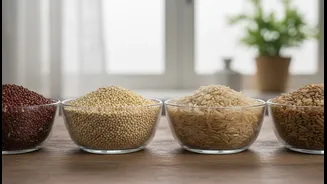
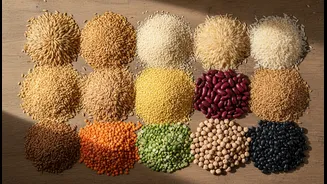
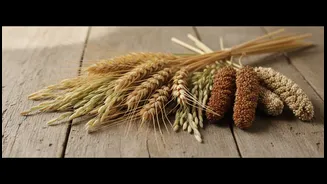
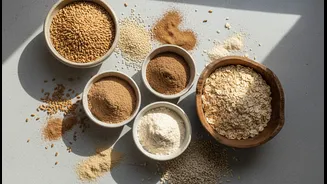
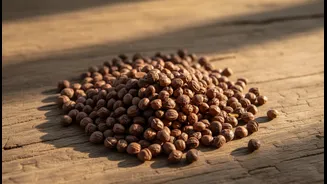
Often grouped with grains, pseudo-cereals like quinoa and amaranth are tiny seeds that pack a nutritional punch and offer unique textures. Quinoa, available in white, red, and black varieties, cooks up light and fluffy with a subtle pop. It’s a complete protein and makes a fantastic, gluten-free base for salads and bowls. Millets, a diverse group of small-seeded grasses including jowar (sorghum), bajra (pearl millet), and ragi (finger millet), are staples across India. They have a mild, sometimes nutty or corn-like flavour and can be cooked into a fluffy pilaf, made into flatbreads like bhakri, or used as porridge. Toasting millet in a dry pan before cooking can enhance its nutty flavour.