







Why Stress Wrecks Sleep
The connection between exam stress and sleepless nights is not just in your head; it’s a biological response. When we're stressed, our bodies produce cortisol, the 'fight-or-flight' hormone. While useful in short bursts, elevated cortisol levels at night can
disrupt the body's natural sleep cycle, making it difficult to fall asleep and stay asleep. This creates a vicious cycle: stress causes poor sleep, and poor sleep makes it harder to cope with stress. Gentle stretching and yoga practices help to counteract this by activating the parasympathetic nervous system, which is responsible for the 'rest-and-digest' response. This process helps lower the heart rate, calm the mind, and signal to the body that it is safe to relax and prepare for sleep.
Child’s Pose (Balasana): The Ultimate Comfort
Child's Pose is one of the most restorative postures in yoga, perfect for calming a busy mind. It gently stretches the lower back, hips, and shoulders—areas where students often hold tension from long hours of sitting and studying. To practice, kneel on the floor, sit back on your heels, and fold forward, resting your forehead on the mat or a pillow. You can extend your arms forward or rest them alongside your body. Focus on deep, slow breaths, allowing your belly to press against your thighs with each inhale. Hold this pose for one to three minutes to release physical tension and quiet your thoughts.
Legs-Up-The-Wall Pose (Viparita Karani): A Simple Reset
This incredibly simple and effective pose is a favourite for promoting relaxation. It helps to calm the nervous system, improve circulation, and relieve tired legs and feet. To get into the pose, sit sideways next to a wall, then swing your legs up the wall as you lie back. Your hips can be right against the wall or a few inches away, whichever feels more comfortable. You can place a small cushion under your lower back for support. Rest your arms by your sides with palms facing up and breathe deeply. Stay here for at least five minutes, allowing your body and mind to settle completely.
Cat-Cow Stretch (Marjaryasana-Bitilasana): Release Spinal Tension
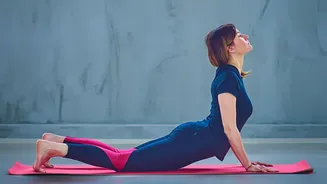
Hours spent hunched over books can lead to significant stiffness in the spine. The Cat-Cow stretch is a gentle, flowing movement that warms up the spine and releases tension in the back, neck, and shoulders. Start on your hands and knees in a 'tabletop' position. As you inhale, drop your belly towards the floor and look up, creating an arch in your back (Cow Pose). As you exhale, round your spine toward the ceiling, tucking your chin to your chest (Cat Pose). Continue flowing between these two poses for about a minute, synchronising the movement with your breath. This simple sequence promotes flexibility and can ease the physical discomfort that often prevents restful sleep.
Seated Forward Bend (Paschimottanasana): Calm Your Mind
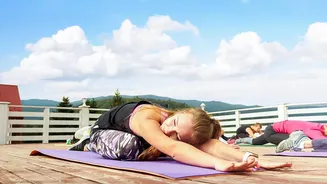
Forward bends are known to be calming for the mind and nervous system. This pose provides a deep stretch for the hamstrings and spine, releasing tension accumulated throughout the day. Sit on the floor with your legs extended in front of you. You can sit on a folded blanket to help tilt your pelvis forward. Inhale to lengthen your spine, and as you exhale, hinge forward from your hips, reaching for your feet. It doesn't matter how far you go; the goal is to relax your head and neck. Bending your knees is perfectly fine. Focus on your breathing and allow yourself to gently deepen the stretch with each exhalation for about a minute.
Creating Your Bedtime Ritual
Consistency is key to reaping the benefits of a pre-sleep yoga routine. You don't need a long, complicated sequence; just five to ten minutes each night can make a significant difference. Try to perform these stretches in a quiet, dimly lit room to signal to your brain that it's time to wind down. Put away your phone and other screens, as the blue light can interfere with melatonin production, the hormone that regulates sleep. Combine these movements with focused, deep breathing to fully activate your body’s relaxation response. This nightly ritual can become a powerful tool for managing exam stress and ensuring you get the restorative sleep needed for focus and well-being.