






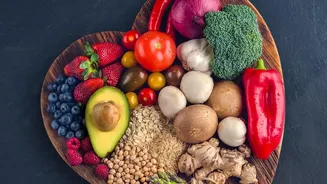
Why More Fibre Matters
Dietary fibre, the part of plant-based foods that your body can't digest, is a powerhouse nutrient. A high-fibre diet is essential for maintaining good health. It aids digestion, prevents constipation, and helps you feel fuller for longer, which can assist
with weight management. Furthermore, studies show that adequate fibre intake can help regulate blood sugar levels, lower cholesterol, and reduce the risk of chronic conditions like heart disease and type 2 diabetes. Most adults should aim for 25-38 grams of fibre daily, but many fall short of this target. Luckily, the traditional Indian thali is naturally well-positioned to be rich in fibre; it just takes a few conscious choices.
Upgrade Your Grains
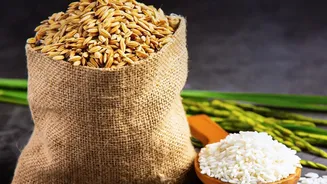
One of the easiest switches is moving from refined grains to whole grains. Instead of using only white rice, try incorporating brown rice or, even better, millets. Millets like jowar (sorghum), bajra (pearl millet), and ragi (finger millet) are ancient Indian grains making a strong comeback. They contain significantly more fibre than polished white rice, along with more protein and minerals. You can cook them just like rice and serve them with dal or curry. For rotis and parathas, use 100% whole wheat atta instead of maida (refined flour). You can even mix millet flours like jowar or bajra into your regular atta for added fibre and a rustic flavour.
Power Up with Pulses and Legumes
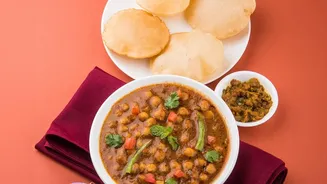
Lentils, beans, and peas are cornerstones of Indian cuisine and fantastic sources of fibre and protein. Make it a goal to include a dal, pulse, or legume dish in every main meal. Think beyond just serving a thin dal. A thick dal where the pulse is intact provides more fibre. Add chickpeas (chana) or kidney beans (rajma) to vegetable pulaos, or use sprouted lentils in salads and stir-fries. Dishes like moong dal cheela, mixed-dal khichdi, or a simple chana chaat are excellent ways to increase your family's fibre intake effortlessly.
Vegetables and Fruits Are Your Friends
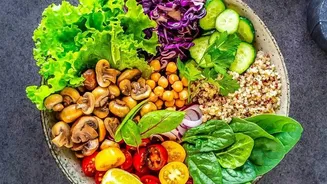
Aim to fill half your plate with vegetables at lunch and dinner. Many fibre-rich vegetables are already staples in Indian cooking, including bhindi (okra), spinach (palak), bottle gourd (lauki), and beetroot. Whenever possible, cook vegetables with their peels on, as the skin contains a significant amount of fibre. Instead of juice, opt for whole fruits like guava, apples (with skin), pears, and oranges. These not only provide fibre but also a host of essential vitamins and minerals. A simple kachumber salad of cucumber, tomato, and onion with your meal is another easy win.
The Secret of Seeds
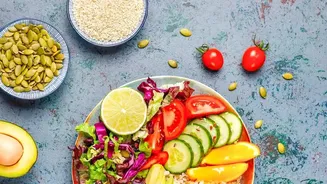
Seeds are tiny nutritional giants. Just a spoonful can add a significant fibre boost to your meals. Ground flaxseed (alsi) or chia seeds can be stirred into curd, blended into smoothies, or even kneaded into your roti dough. These seeds are virtually tasteless when mixed into dishes but add soluble fibre that helps with satiety and digestion. You can also sprinkle roasted sunflower, pumpkin, or sesame seeds over salads, dals, and sabzis for a bit of crunch and extra nutrients.
Start Small and Stay Consistent
The key to successfully increasing fibre is to start gradually. A sudden, dramatic increase can lead to bloating or gas. Begin by making one swap, like having a jowar roti instead of a wheat one, or adding a bowl of salad to your dinner. Once your body adjusts, incorporate another change. Remember to also increase your water intake, as fibre needs water to move smoothly through your digestive system. Consistency over time is more important than making drastic changes all at once. These small steps will add up, improving your family’s health one familiar, fibre-rich meal at a time.