







Calcium: The Essential Building Block
Think of your bones as a house under construction. Calcium is the primary building material—the bricks and mortar. It provides the essential mineral content that gives our skeleton its strength and structure. About 99% of the body's calcium is stored
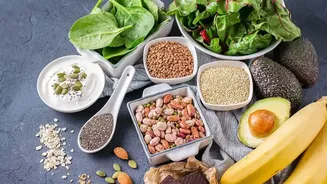
in our bones and teeth. When our diet lacks sufficient calcium, the body draws it from this skeletal 'bank', which can lead to weaker, more porous bones over time. This is why maintaining adequate calcium intake through sources like dairy, ragi, chickpeas, and leafy greens is the foundational first step for bone health. But simply consuming calcium isn't enough to ensure it ends up where it's needed most.
Vitamin D3: The Master of Absorption
If calcium is the brick, Vitamin D3 is the gatekeeper that allows those bricks onto the construction site. Vitamin D3's primary role in bone health is to facilitate the absorption of calcium from your intestines into your bloodstream. Without enough D3, the majority of the calcium you consume simply passes through your body, unable to be used. When D3 levels are adequate, calcium absorption increases dramatically. In India, while sunlight is plentiful, deficiency can still be a concern due to lifestyle factors. This makes vitamin D3 a critical partner to calcium, ensuring the building blocks are available in the blood, ready to be put to work.
Vitamin K2: The Intelligent Traffic Director
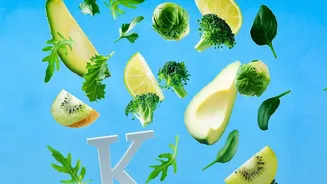
This is where the true synergy comes into play. Once Vitamin D3 gets calcium into the bloodstream, Vitamin K2 takes over as the 'traffic cop'. Its job is to direct the calcium to the correct destination: your bones and teeth. Vitamin K2 does this by activating two key proteins. First, it activates osteocalcin, which is responsible for binding calcium to the bone matrix, effectively locking it into your skeleton. Second, it activates another protein called matrix GLA protein (MGP), which prevents calcium from being deposited in soft tissues like arteries and kidneys. This is a crucial function that ensures calcium strengthens your bones instead of potentially hardening your arteries.
The Power of Teamwork: The Calcium Paradox
The interaction between these three nutrients helps explain what is sometimes called the 'calcium paradox': how people can have osteoporosis (weak bones) and arterial calcification (hardened arteries) at the same time. Taking calcium and vitamin D without sufficient K2 can lead to an abundance of calcium in the blood that doesn't have clear instructions on where to go. Vitamin K2 provides those instructions. The synergy is clear: D3 increases calcium absorption into the blood, and K2 ensures that calcium is safely transported from the blood into the bone. Together, they form a complete system for building and maintaining a strong, healthy skeleton while protecting cardiovascular health.
Finding the Right Balance in Your Diet
Achieving this three-way synergy starts with your plate. In an Indian diet, calcium is readily available from milk, paneer, yogurt, ragi, and legumes. Vitamin D can be synthesized through regular, safe sun exposure and found in fatty fish and egg yolks. Vitamin K2 is a bit trickier to obtain. It's found in fermented foods, such as certain cheeses and yogurt, as well as in animal products like egg yolks and butter. Some Indian fermented foods like dosa and dhokla may contain some K2, but studies suggest intake might be low in the general population. Given the complexity of balancing these nutrients, it's wise to focus on a varied diet and discuss your specific needs with a healthcare professional, who can advise if supplementation is appropriate for you.