




A Sanctuary's New Significance
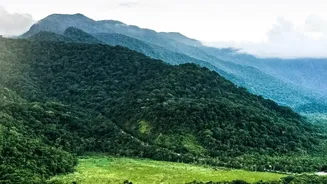
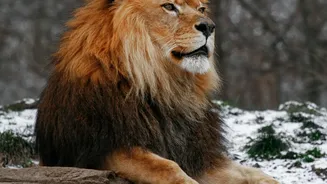
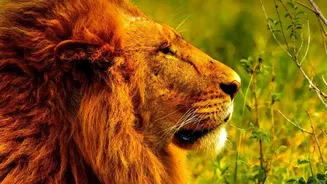
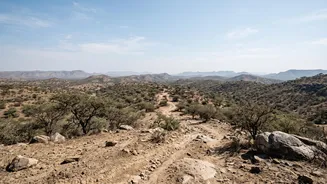
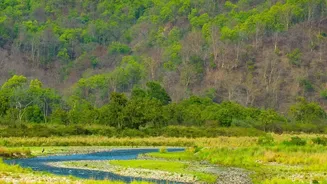
Located about 100 kilometres from Gir, the Barda Wildlife Sanctuary has officially become the second home for Asiatic lions. This is a landmark moment in one of India’s greatest conservation stories. The entire global wild population of these majestic
cats has been concentrated in the Gir landscape for decades. While numbers have rebounded spectacularly, this success has created a serious vulnerability. Conservationists have long warned that having all the lions in one 'basket' makes the species dangerously susceptible to extinction from a single disease outbreak or natural disaster. The tragic loss of several lions to Canine Distemper Virus in recent years served as a stark reminder of this risk. Establishing a second, separate population in Barda is an essential insurance policy for the species' long-term survival.
From Gir's Shadow to Second Home
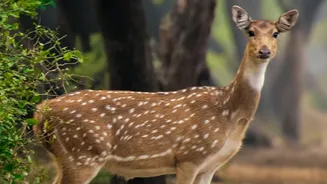
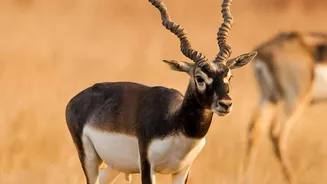
The journey to make Barda a lion habitat has been deliberate. The move is a key part of 'Project Lion', a government initiative to protect and conserve the species. The process began with the natural migration of a male lion into Barda in 2023, after nearly 144 years of absence. Following this, the Gujarat Forest Department translocated several females to establish a breeding population. As of late 2025, a small but growing population of around 17 lions, including cubs, now calls the 192-square-kilometre sanctuary home. To support them, authorities have been working to improve the habitat and increase the prey base by introducing animals like spotted deer and sambar. This is crucial for reducing the lions' reliance on livestock from nearby pastoral communities, a key step in preventing human-wildlife conflict.
The Unchecked Visitor Dilemma
With Barda's new status comes a new challenge: tourism. As the sanctuary gains prominence, the number of visitors is expected to rise. While this brings opportunities for ecotourism and public awareness, unchecked access poses a significant threat to the fragile, developing lion population. Increased human activity can lead to habitat degradation, disturbance of animal behaviour, and increased stress on the wildlife. The lions in Barda are in a critical phase of adapting to their new environment. Any disruption could jeopardise the success of this vital conservation project. Furthermore, the sanctuary is relatively small, and its carrying capacity—the amount of activity it can sustain without ecological damage—must be carefully assessed and respected. The casual, unregulated tourism that might have been acceptable in the past is no longer viable now that Barda has a royal responsibility.
A Blueprint for Responsible Access
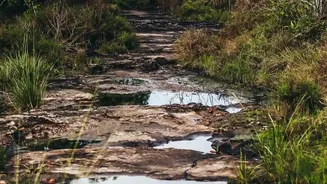
The solution is not to ban visitors, but to manage them intelligently. This is where 'checking access' becomes critical. It involves creating a robust framework for responsible ecotourism that prioritises conservation. This could mean several things: establishing designated safari routes to limit vehicle density, setting a cap on the number of daily visitors, and enforcing strict codes of conduct, such as maintaining a safe distance from wildlife and prohibiting flash photography. The creation of Eco-Sensitive Zones around the sanctuary, acting as 'shock absorbers', is another key strategy to regulate development and activity in the vicinity. A jungle safari has already been launched, but its management will set the precedent for Barda's future. By training local residents as guides and ensuring tourism revenue directly supports conservation efforts and community livelihoods, Barda can become a model for balancing human interest with ecological integrity.