







Why Your Resume Isn't Enough
For decades, the single-page resume has been the unquestioned currency of job applications. It’s a neat, tidy summary of your past: education, internships, maybe a skill or two. But in an economy that values demonstrable skills over credentials, the traditional
resume has a fundamental flaw—it’s static. It tells a recruiter what you’ve studied, but not what you can actually *do*. It lists 'Python' as a skill; it can't show the elegant code you wrote for your final-year project. It mentions 'content writing'; it can't display the compelling blog post that got a hundred shares. Recruiters are drowning in look-alike resumes, making it incredibly difficult for them to spot true potential. They are looking for proof, not just promises.
The Power of 'Show, Don't Tell'
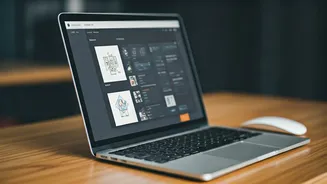
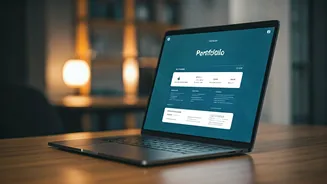
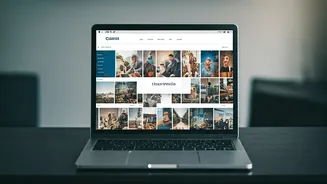
This is where the interactive web portfolio changes the game. A portfolio is a living, breathing showcase of your abilities. It’s a curated collection of your best work, presented in a dynamic and engaging format. For a web developer, it’s a space to display projects with links to live demos and GitHub repositories. For a graphic designer, it's a gallery of logos, posters, and UI mockups. For a writer, it’s an archive of articles, copy, and case studies. According to numerous surveys of hiring managers, especially in tech and creative industries, a link to a portfolio is often the first thing they look for. It allows them to bypass the fluff and assess your real-world skills in minutes. A great portfolio doesn’t just list your accomplishments; it tells the story of your talent.
What Makes a Winning Portfolio?
Creating a portfolio isn't about dumping every project you've ever done onto a webpage. It's about strategic curation. First, select your best 3-5 projects that are most relevant to the jobs you are targeting. Quality over quantity is key. Second, for each project, don't just show the final result. Write a brief case study. Explain the problem you were trying to solve, describe your process and the role you played, and detail the outcome. This demonstrates critical thinking and problem-solving skills, which are valuable in any role. Third, ensure the portfolio itself is well-designed, easy to navigate, and mobile-friendly. It should have a clear ‘About Me’ section and prominent links to your professional social media (like LinkedIn) and contact information.
Tools to Build Your First Portfolio
You don't need to be a coding wizard to build a beautiful portfolio. There are countless tools available for every skill level and budget. For developers, GitHub Pages offers a free and industry-standard way to host a portfolio site. For designers and visual artists, platforms like Behance and Dribbble are essential communities that double as portfolio hosts. For writers and marketers, a simple blog on Medium or a self-hosted WordPress site can effectively showcase your work. If you want more creative control without writing code, website builders like Squarespace, Wix, or Carrd offer stunning templates that you can customise. Even a well-structured page on Notion can serve as a simple, effective, and free starting point.
It's Not Just for Coders and Designers
While portfolios are a necessity in technical and creative fields, the principle can be applied to almost any career path. A marketing student can create a portfolio showcasing speculative ad campaigns, social media strategies for local businesses, or detailed market research reports. A finance graduate can present case studies on company valuations or personal investment strategy models. An aspiring data analyst can display projects visualising complex datasets. The key is to think about your skills and find a way to demonstrate them tangibly. This proactive effort shows initiative and passion, qualities that are universally attractive to employers and can set you apart from a sea of identical resumes.