







The Cloud’s Physical Problem
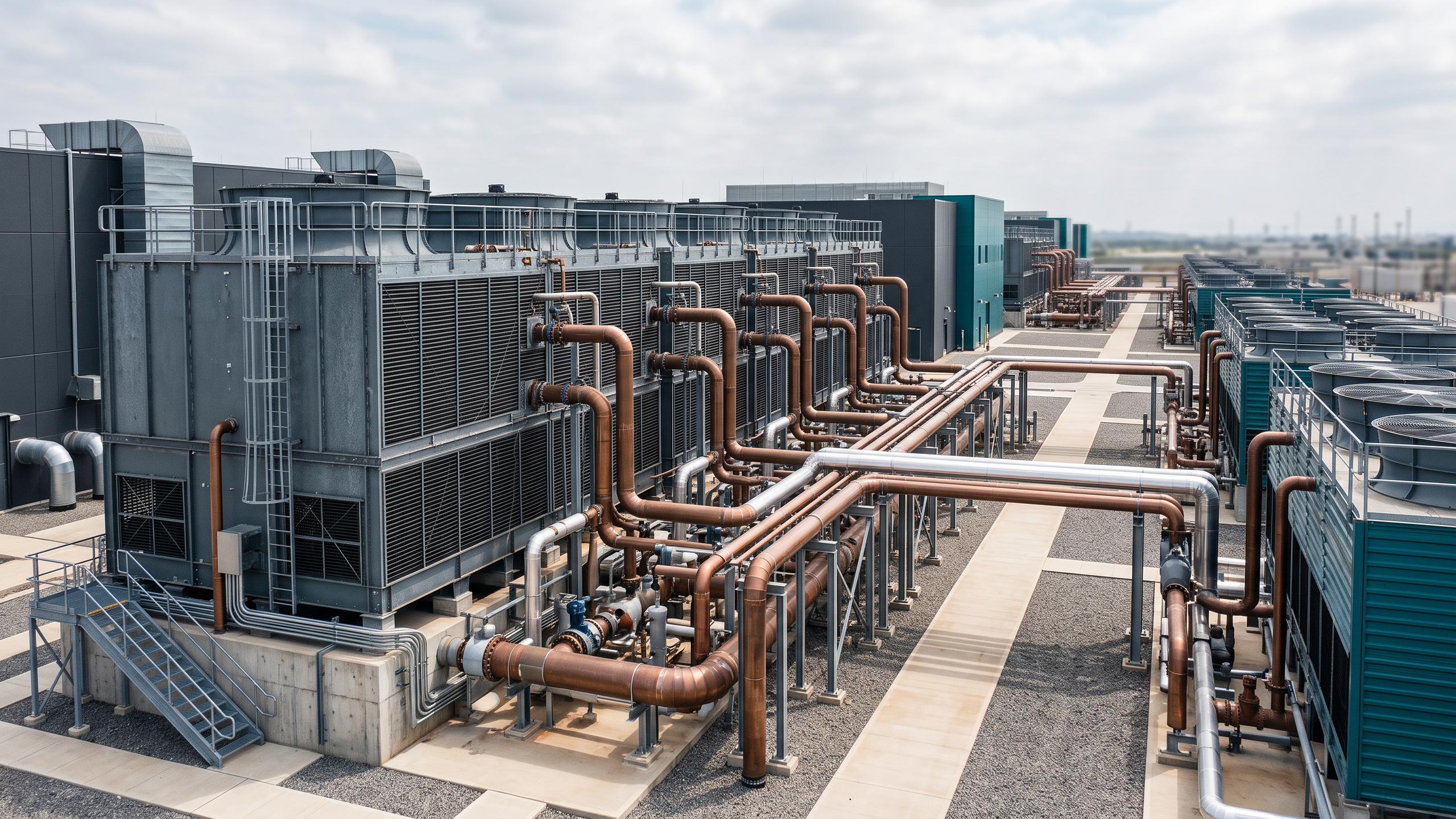
The 'cloud' sounds clean, light, and ethereal. In reality, it is a sprawling network of enormous, energy-hungry industrial buildings called data centres. Packed with tens of thousands of computer servers running 24/7, these facilities form the physical
backbone of the internet. Recent research from Harvard University, published in Nature Sustainability, has pulled back the curtain on the true scale of their environmental footprint, finding it to be two to three times higher than previous estimates. The study focused on 403 of the largest 'hyperscale' data centres in the US, facilities that can be as large as several football fields. It paints a sobering picture of an industry whose rapid growth, fuelled by the artificial intelligence boom, is creating significant climate challenges.
Unpacking the Staggering Numbers
According to the Harvard study, between May 2024 and April 2025, these 403 centres alone consumed approximately 82 terawatt-hours of electricity. That represents nearly 2% of total US electricity use, an amount comparable to the annual consumption of an entire country like Denmark or a US state like Missouri. This immense energy draw resulted in about 25.7 million metric tons of carbon dioxide emissions, with the research showing that more than half of the electricity used came from burning fossil fuels like natural gas and coal. The researchers note that these figures are already outdated due to the blistering pace of AI development. One lead scientist remarked that data from April 2025 is 'basically ancient history' in AI time, suggesting today's impact is substantially larger.
Beyond Carbon: The Thirst for Water
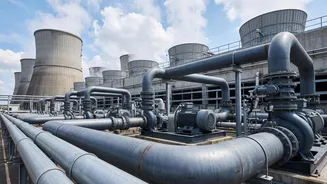
The climate cost isn't just about emissions. Data centres are also incredibly thirsty. The thousands of servers generate immense heat and require constant cooling to prevent failure, a process that often consumes vast quantities of water. A single large data centre can use up to 5 million gallons of water per day, equivalent to the daily water usage of a town of up to 50,000 people. While data centres' national water consumption is a small fraction of a country's total, their impact is highly localized, putting significant strain on regional water supplies, especially in drought-prone areas where many facilities are built. One analysis found that over half of data centres draw their water directly from potable public supplies. This demand is only growing; training a single major AI model can consume hundreds of thousands of litres of fresh water, and Microsoft reported a 34% jump in its water consumption between 2021 and 2023, coinciding with its AI expansion.
The AI Demand Explosion
The primary driver of this explosive growth is the race for AI dominance. Training and running large language models like ChatGPT requires computational power on a scale far beyond traditional cloud services like email or video streaming. The International Energy Agency (IEA) has warned that global electricity consumption from data centres could double by 2030, with AI accounting for the vast majority of that growth. This surge in demand is already straining electrical grids in several regions. Tech giants like Google, Amazon, and Microsoft have all seen their emissions rise in recent years despite public climate pledges, largely due to data centre construction and the massive power required for their AI ambitions.
Can Tech Clean Up Its Act?
The industry is not blind to the problem. Major tech companies are among the world's largest corporate buyers of renewable energy. However, the pace of AI expansion is outstripping the development of clean energy sources, forcing a continued reliance on fossil fuels. Other solutions are being explored, from more efficient cooling technologies that use less water to designing data centres that can channel waste heat into local community heating systems. Some advocate for using 'low quality' water, like treated wastewater, for cooling instead of drinking water. Yet, a lack of transparency remains a major hurdle. Companies are often not required to disclose detailed information about their energy use or emissions, making it difficult for researchers and the public to track the full environmental cost.